Putin, Xi, Modi meet in Delhi despite Trump threats
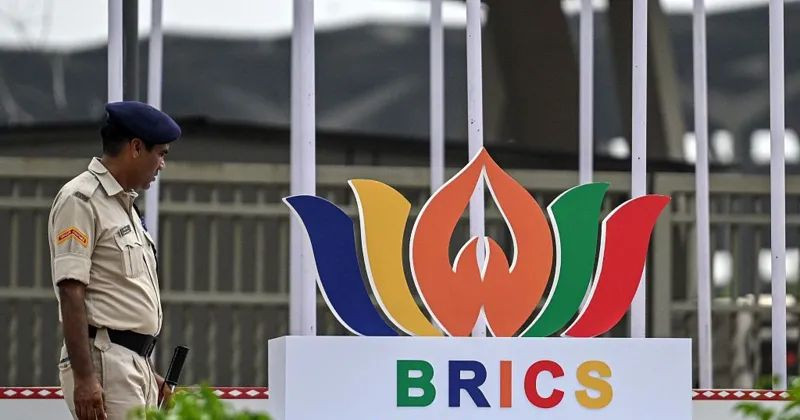
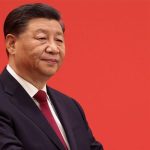
Global interest and diplomatic activity are rising around the BRICS summit set to begin in India’s capital, New Delhi. At the invitation of India’s Prime Minister Mr. Narendra Modi, Russia’s President Mr. Vladimir Putin, China’s President Mr. Xi Jinping, and top leaders from 11 countries including Iran, Brazil, and South Africa are taking part. Although the United States is not formally on the agenda, the impact of U.S. President Mr. Donald Trump’s policies has become a central topic of discussion at the summit.
This important meeting in Delhi is taking place at a time of uncertainty caused by Mr. Trump’s new tariff policy and his recent hardline stance in international geopolitics. However, experts believe it will be difficult for BRICS to issue any strongly worded joint statement naming the United States, since member states within the bloc hold widely differing views on international relations.
Trump’s Tariff Threats and BRICS’ Challenge
Mr. Trump has already voiced concern and displeasure over BRICS’ moves toward reducing global reliance on the U.S. dollar in trade, or “de-dollarization.” He has warned that a 100 percent tariff will be imposed on BRICS countries if any attempt is made to introduce a new alternative currency to replace the U.S. dollar.
According to Atlantic Council senior fellow Mr. Michael Kugelman, although BRICS has expanded, building consensus within the bloc has become relatively difficult. In particular, host nation India, being on the verge of a new trade deal with the United States, is unlikely to sign onto any joint statement that would directly upset Washington. Meanwhile, U.S. allies such as the United Arab Emirates may also refrain from supporting any hardline stance centered on Iran.
Representation of the Global South and Economic Strength
In contrast to U.S. trade policy, BRICS is seeking to establish itself as a strong alternative power in the global economy. Statistics show:
Population: Countries in the bloc account for about 49 percent of the world’s total population.
GDP: BRICS represents about 40 percent of global gross domestic product (GDP).
Trade: The bloc controls roughly 26 percent of international trade.
The summit may place special emphasis on facilitating mutual trade in local currencies, which would bring relief particularly to Russia and Iran, both under U.S. sanctions. Alongside this, expanding the New Development Bank’s (NDB) funding and pushing for reform of the International Monetary Fund (IMF) and the World Bank as a voice for the Global South are also among the summit’s key goals.
Bilateral Diplomacy and India’s Geopolitical Significance
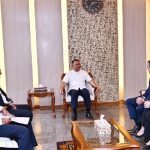
Beyond international diplomacy, the summit is expected to bring several important bilateral meetings. A meeting between India’s Prime Minister Mr. Narendra Modi and China’s President Mr. Xi Jinping is scheduled for Saturday, which could play a major role in easing border and economic tensions between the two countries. In addition, Mr. Modi’s bilateral meeting with Russian President Mr. Vladimir Putin may cover the situation in Ukraine and energy trade.
This summit holds great importance for host nation India as it seeks to reaffirm its global standing and leadership in the ongoing geopolitics of South Asia.