Six-Year Delay in Procuring Over 1,000 Dialysis Machines for Government Hospitals Leaves Patients in Immense Suffering
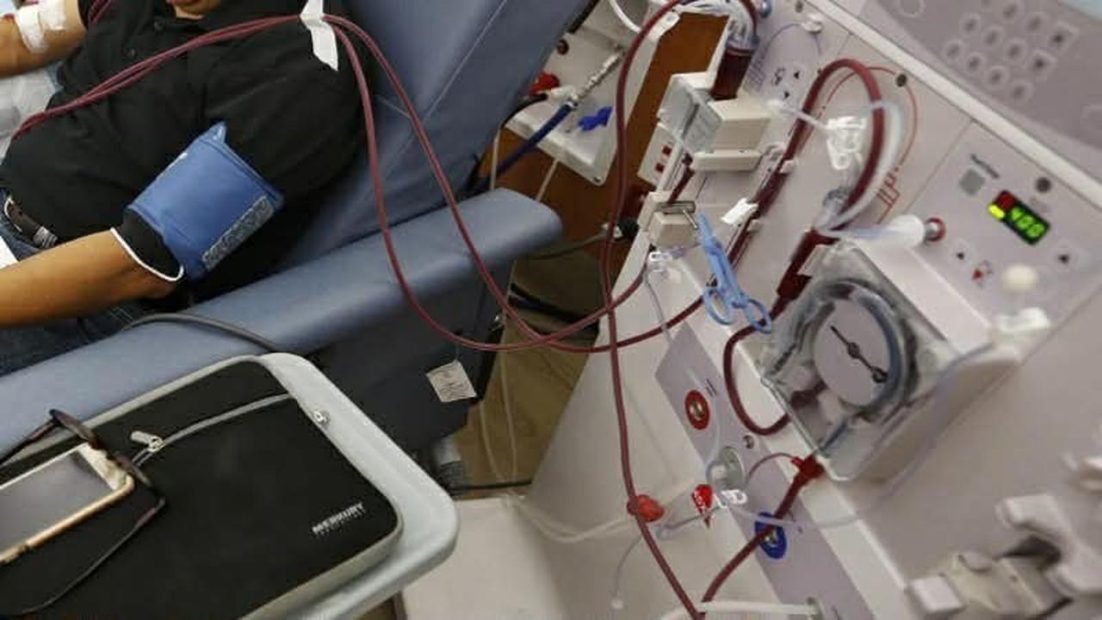
Patients with kidney failure need regular dialysis to survive. Many require the treatment two to three times a week. However, the number of dialysis machines in government hospitals across Bangladesh remains far below demand, leaving patients struggling to access treatment. Many are forced to travel from their districts to Dhaka or other distant hospitals for dialysis.
Against this backdrop, the government took an initiative to purchase 1,030 haemodialysis (HD) machines to expand dialysis services at public hospitals. However, the initiative, taken nearly six years ago, has yet to be implemented. Two rounds of tenders have already been cancelled. Now, as the third round of the tender process reaches its final stage, a new controversy has emerged over attempts to include haemodiafiltration (HDF) machines, an advanced and more expensive blood purification technology, alongside conventional HD machines.
People familiar with the process have alleged that efforts are being made to prioritise a particular technology at the final stage of the tender process. This could limit competition and increase both procurement prices and long-term operating costs.
Questions have also been raised about the manufacturing location, technological origin and after-sales services of Unimed’s Udia HDF2 machine, which is associated with Turkey and has emerged in discussions over HDF technology.
The controversy has renewed concerns about transparency, technical qualifications and the proper use of public funds in the procurement of the 1,030 machines.
Two tender rounds cancelled, patients still waiting
Under the plan, 590 machines are scheduled to be installed at 15 medical college hospitals and another 440 at 40 district hospitals. The objective is to expand dialysis facilities at the district level and reduce pressure on hospitals in Dhaka.
The first round of tenders was scheduled to be submitted and opened on October 17, 2024. However, it was later cancelled. The procurement process also failed to move forward after the second round of tenders. The authorities concerned have not publicly provided a detailed explanation for cancelling the two rounds.
In the third round, efforts were reportedly made to keep the technical specifications as brand-neutral as possible. This would allow qualified manufacturers from Europe, Japan, the United States, China and other countries to participate in the competition.
The approach was expected to help reduce government expenditure while ensuring the procurement of high-quality medical equipment. However, discussions about introducing a new technology at the final stage have raised questions about the project’s original objectives and technical requirements.
Why include HDF in a project for conventional HD machines?
HDF is an advanced dialysis method. Alongside conventional haemodialysis, it uses a specialised process to remove certain additional waste products from the blood. Depending on a patient’s medical condition and a doctor’s assessment, this method may be suitable for specific patients.
However, operating HDF machines requires advanced infrastructure and strict quality control. Online HDF treatment, in particular, requires high-quality water purification systems, sterile and pyrogen-free replacement fluids, specialised filters, regular water quality testing and trained personnel. Without these facilities, simply purchasing advanced machines will not ensure the expected quality of treatment.
People familiar with the matter have questioned the need to introduce a more expensive technology at the final stage of the project when government hospitals are still unable to provide adequate conventional HD services. They have also questioned whether spending additional funds on HDF machines would reduce the number of conventional HD machines that could otherwise be purchased and kept operational under the same budget.
Experts believe an independent medical and scientific assessment, an evaluation of patients’ needs and a cost-benefit analysis should be made public before including HDF technology in the project. They stressed that technological advancement is necessary, but it should not undermine the broader objective of expanding treatment facilities for the wider population.
Questions over Unimed’s manufacturing facility
Unimed’s Udia HDF2 machine has emerged in discussions about introducing HDF technology. The company describes the machine on its website as an online HDF machine. Although it identifies itself as a manufacturer and supplier, the address it provides in Turkey is listed as its “Turkey office”.
The address is 93/2 Yesilkoy Halkali Road, Senlikkoy Mahallesi, Bakirkoy, Istanbul. People familiar with the matter have questioned the address. They said a shopping mall named Aqua Florya is listed at number 93 on the same road.
They believe the company’s actual manufacturing facility should be physically inspected and its factory registration, manufacturing licence, ISO 13485 certification for medical device quality management, regulatory approvals for the product and other official manufacturing documents should be verified.
Allegations have also emerged that the external design and technical specifications of the Udia HDF2 machine resemble those of China’s SWS-6000 machine. According to people familiar with the matter, the Udia HDF2 could be a rebranded version of the SWS-6000.
What is the experience with previously installed machines?
According to sources familiar with the matter, around 15 Chinese-made versions of the Udia HDF2 machine were installed at the Government Employees Hospital in Bangladesh. Allegations have emerged that none of those machines is currently operational.
Purchasing and installing dialysis machines at government hospitals does not complete the responsibility of the authorities. Ensuring uninterrupted treatment requires regular maintenance, trained technical personnel, local repair and maintenance services, and easy access to spare parts.
Regular treatment should come before technological expansion
Countries such as Malaysia, Singapore, Taiwan, Japan and South Korea have arrangements for dialysis treatment under advanced healthcare systems and health insurance coverage. Even in these countries, conventional haemodialysis remains one of the main treatment methods for patients with kidney failure. This demonstrates that conventional HD continues to play an important role even in countries with advanced healthcare systems.
Given Bangladesh’s circumstances, the first priority should be ensuring affordable and regular dialysis services. When treatment is disrupted due to a shortage of machines, patients’ lives are put at risk. Installing sufficient machines at district hospitals could reduce travel difficulties and treatment costs for thousands of patients.
People involved in the health sector believe procurement decisions should consider not only the purchase price but also the total cost of operating the machines over five to 10 years. This should include medical supplies, spare parts, repairs, training and maintenance.
They also said allowing the use of approved medical consumables compatible with multiple brands could help maintain price competition in the long run. Project Director Dr Ehsanul Karim said they were taking appropriate steps. However, he declined to make any further comments.
Overall, the initiative to purchase 1,030 dialysis machines is not merely a government procurement project. It is directly linked to ensuring regular treatment for thousands of kidney patients across the country. The tender process must ensure international competition, impartial technical evaluation and verification of manufacturers’ capabilities, without giving any particular brand or technology an advantage. The justification for including HDF technology and the details of the additional costs should also be made public.
Ultimately, the success of the project should not be measured simply by the number of machines purchased with public funds. The real measure of success will be how many machines remain operational year after year and how many patients receive regular access to dialysis treatment.