Smart tolling for better connectivity
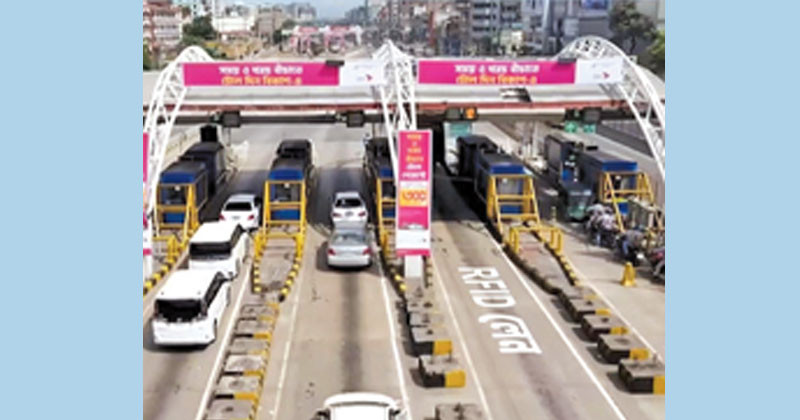
- If Bangladesh builds an integrated tolling system using the best available technology, toll collection will become fast, transparent and effective, says Mr. Mohammad Abdur Rouf.
Eklas Haque
The country’s transport network has gained several mega projects in recent years, including the Padma Bridge, the Dhaka Elevated Expressway, the Dhaka-Mawa-Bhanga Expressway and the Dhaka-Ashulia Elevated Expressway. These projects have made travel faster and easier.
Still, getting the full benefit of this modern road network requires a jam free, safe and efficient transport system, which in turn needs an advanced and integrated toll management system. With this goal in mind, the government is working to develop an integrated tolling strategy under the Smart Road Transport Network, aiming to make the country’s transport system more modern, efficient, safe and technology driven.
The plan is to bring the old toll systems on the country’s roads, bridges, flyovers, expressways and tunnels under a single, interconnected and digital structure. This would make electronic toll collection (ETC), cashless transactions, automatic toll payment and technology based toll management possible. Officials say that once this modern technology is properly used, toll collection will become faster, fully transparent and more effective, and it will strengthen the country’s future smart infrastructure.
Mr. Mohammad Abdur Rouf, Secretary of the Bridges Division and Executive Director of the Bangladesh Bridge Authority, said building an integrated tolling system with the best use of modern technology would make toll collection faster, more transparent and more effective. He added that this would also strengthen the digital infrastructure needed for the future smart road transport system.
Mr. Rouf recently met with a fact finding mission from the Asian Development Bank (ADB) at Setu Bhaban to discuss preparing an integrated tolling strategy, known as an Intelligent Transport System (ITS), for the Smart Road Transport Network. At the meeting, Mr. Rouf outlined how Bangladesh’s transport sector is undergoing major change under the current government’s leadership.
The meeting covered ways to modernize and integrate the existing toll collection systems on the country’s roads, bridges, flyovers, expressways and tunnels. Discussions focused especially on electronic toll collection (ETC), interconnected tolling systems, cashless transactions, automatic toll collection and technology based toll management.
According to the ADB, a technical assistance programme has been launched to help develop a sustainable road tolling model for Bangladesh. The programme will review the current state of Bangladesh’s tolling systems, the technology used by different agencies, toll collection processes, data interconnection, and the potential for building an integrated tolling platform in the future. Officials say this will create faster and smoother toll payment for road users, while also increasing transparency and efficiency in toll management.
Currently, the Roads and Highways Department (RHD), the Bangladesh Bridge Authority (BBA) and various city corporations or local government bodies collect tolls either on their own or through contractors. Some important bridges and expressways have partial electronic toll collection (ETC) in place, but many toll plazas across the country still collect tolls in cash using the old method. This causes heavy traffic jams and wastes time, as cash transactions and counting change take extra time for every vehicle.
Under the planned system, any vehicle would carry a single digital tag or account, usable at every toll plaza in the country regardless of which agency manages that road, bridge or tunnel. A vehicle would be able to pass through any toll plaza using one tag, with the toll amount automatically deducted from its account. Digital and automatic transactions would keep a record of every taka collected in toll, increasing revenue collection and transparency. This would also close off any opportunity for middlemen or contractors to commit irregularities or corruption.
Electronic toll collection has already been introduced on some bridges. According to the Bangladesh Bridge Authority, the Padma Bridge has offered a non-stop, cashless service since September 15, 2025, allowing vehicles to pay tolls without stopping at the toll plaza. In June this year, a stakeholders meeting at the Bridges Division also discussed a high level committee’s recommendations for bringing the country’s roads, bridges, flyovers, expressways and tunnels under a single, interconnected network. The ADB’s fact finding mission will review Bangladesh’s existing tolling systems, along with the capacity and technical infrastructure of relevant agencies, and provide the information and recommendations needed to prepare the integrated tolling strategy.
Dr. Hadiuzzaman, Professor in the Department of Civil Engineering at the Bangladesh University of Engineering and Technology (BUET), told Inqilab that the biggest benefit of introducing electronic toll collection (ETC) is saving time. He said many drivers currently face long waits at toll plazas, which wastes time, increases fuel costs and raises carbon emissions. He said that once a smart toll collection system is properly in place, a vehicle would be able to cross a toll plaza within seconds.
Dr. Hadiuzzaman added that alongside building technical infrastructure, raising public awareness is also essential, through publicity, training and simple guidance on how to use the system. He said the automatic accounting system would reduce the chances of revenue leakage, and stressed that international standards must be given the highest priority when introducing this new technology.