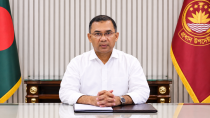
Tarique Rahman Set to Create Record at United Nations
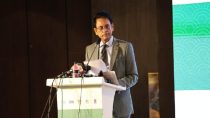
Prime Minister Tarique Rahman is set to create what the report describes as a second record at the United Nations. He will deliver a speech in Bengali at the 81st session of the United Nations General Assembly on September 24.
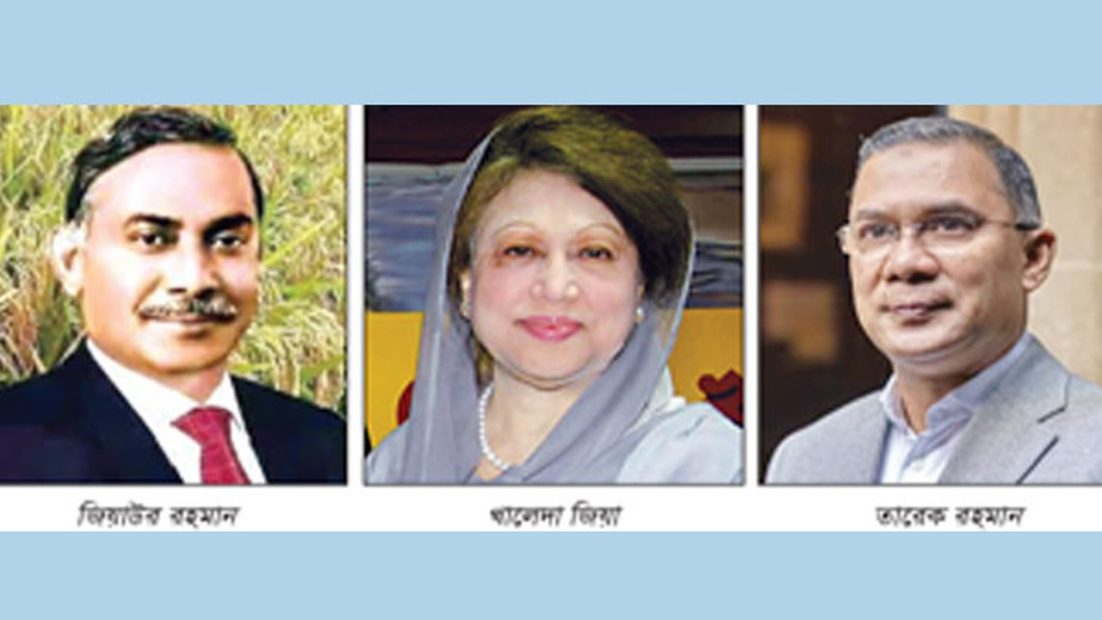
According to the report, his speech will create a record of a third-generation member of the same family addressing a UN General Assembly session as a representative of a country. It says similar examples have involved Sri Lanka and India, but not three generations from the same family.
In India, members of the Nehru-Gandhi family have addressed the UN General Assembly across three generations. Jawaharlal Nehru represented the first generation, his daughter Indira Gandhi the second, and his grandson Rajiv Gandhi the third.
In Sri Lanka, members of the Bandaranaike family also addressed the UN, although Chandrika Kumaratunga, the daughter of S.W.R.D. Bandaranaike and Sirimavo Bandaranaike, became a member of another family through marriage. There are records of second-generation members of the same family addressing the UN as heads of state or government. However, the report says there is no record of a third-generation member of the same family doing so. Tarique Rahman is set to create such a record as the prime minister of Bangladesh.
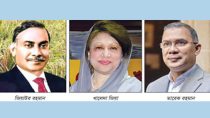
According to the report, his speech will highlight Bangladesh’s democratic renewal, the rule of law and accountability, global peace and security, climate change, sustainable development, economic cooperation, equitable use of modern technology and reform of the multilateral system. Prime Minister Tarique Rahman’s father, Shaheed President Ziaur Rahman, addressed the United Nations in 1980.
He spoke at the UN General Assembly’s 11th Special Session on August 26, 1980. Tarique Rahman’s mother, former Prime Minister Begum Khaleda Zia, first addressed the General Assembly on October 1, 1993. She subsequently addressed the UN General Assembly several more times.PM Tarique Rahman’s speech on Thursday, September 24, will mark a new chapter in the Zia family’s more than four-decade association with the United Nations General Assembly.
According to the report, UN records show no previous example of three generations of the same family addressing the UN. However, members of India’s Nehru-Gandhi family—father Jawaharlal Nehru, daughter Indira Gandhi and grandson Rajiv Gandhi—have addressed the world body.
Jawaharlal Nehru was India’s first prime minister and the first member of the family to address the UN General Assembly. His daughter Indira Gandhi later addressed the General Assembly as India’s prime minister. She was the second-generation member of the Nehru family and the first-generation member of the Gandhi family.
Rajiv Gandhi, Jawaharlal Nehru’s grandson and Indira Gandhi’s son, later addressed the UN as India’s prime minister. He was a second-generation member of the Gandhi family.
The Sri Lankan Bandaranaike family produced one president and three prime ministers. Solomon West Ridgeway Dias (S.W.R.D.) Bandaranaike was a prime minister of modern Sri Lanka. His wife, Sirimavo Bandaranaike, became the world’s first elected woman prime minister. Their daughter, Chandrika Kumaratunga, became the country’s first woman president. Chandrika Kumaratunga became a member of another family through marriage. Her brother, Anura Bandaranaike, also served as Speaker of the country’s Parliament.
There are several records of second-generation members of the same family addressing the United Nations. Fathers and daughters, fathers and sons, husbands and wives, and even elder and younger brothers have addressed the UN.
On September 25, 1974, Bangabandhu Sheikh Mujibur Rahman delivered the first historic speech in Bengali at the 29th session of the UN General Assembly as a member of the Bangabandhu family. His daughter, Sheikh Hasina, later attended several UN General Assembly sessions and delivered speeches in Bengali.
In the United States, former President George H.W. Bush addressed the General Assembly as president, followed by his son George W. Bush as president, representing the second generation of the Bush family.
In Canada, former Prime Minister Pierre Trudeau represented the first generation of the Trudeau family, while his son Justin Trudeau later attended and addressed the UN General Assembly as prime minister, representing the second generation.
In Pakistan, Cuba and several other countries, heads of state or government from the same families have represented the first and second generations. However, the report says no information was found on whether they addressed the United Nations.
It is worth noting that India’s Nehru-Gandhi family had Jawaharlal Nehru, his daughter Indira Gandhi and his grandson Rajiv Gandhi address the United Nations. Jawaharlal Nehru was independent India’s first prime minister. His daughter Indira Gandhi became India’s first woman prime minister. She adopted the surname “Gandhi” after marrying Feroze Gandhi, who was not related to Mahatma Gandhi’s family. Their son Rajiv Gandhi also used the surname Gandhi.
Therefore, although a father, daughter and grandson—or father, mother and son—addressed the UN as prime ministers of India, the report argues that they technically belonged to the separate Nehru and Gandhi families.
In contrast, the Zia family consists of Tarique Rahman’s father, Shaheed President Ziaur Rahman; his mother, former Prime Minister Begum Khaleda Zia; and Tarique Rahman himself. From this perspective, the report says, PM Tarique Rahman’s UN address would represent the first, second and third generations of the same family at the United Nations.