The Opportunities Shanghai Import Expo Offers Bangladesh
Eight years ago, Nurus Safa and Tahera Akter travelled to Shanghai with samples of jute handbags packed in a trolley. At the time, their company had only 10 employees. It was the first time Bangladeshi jute handicrafts had been showcased at an exhibition in China.
Today, the couple’s jute products are sold in the United States, Europe and Japan. Thousands of rural women outside Dhaka are also involved in their production and supply chains.
However, this success story has also confined our thinking to jute. It may create the impression that Bangladesh’s presence at China’s international import expo is limited to jute products. In reality, Bangladesh has export potential in many other sectors.
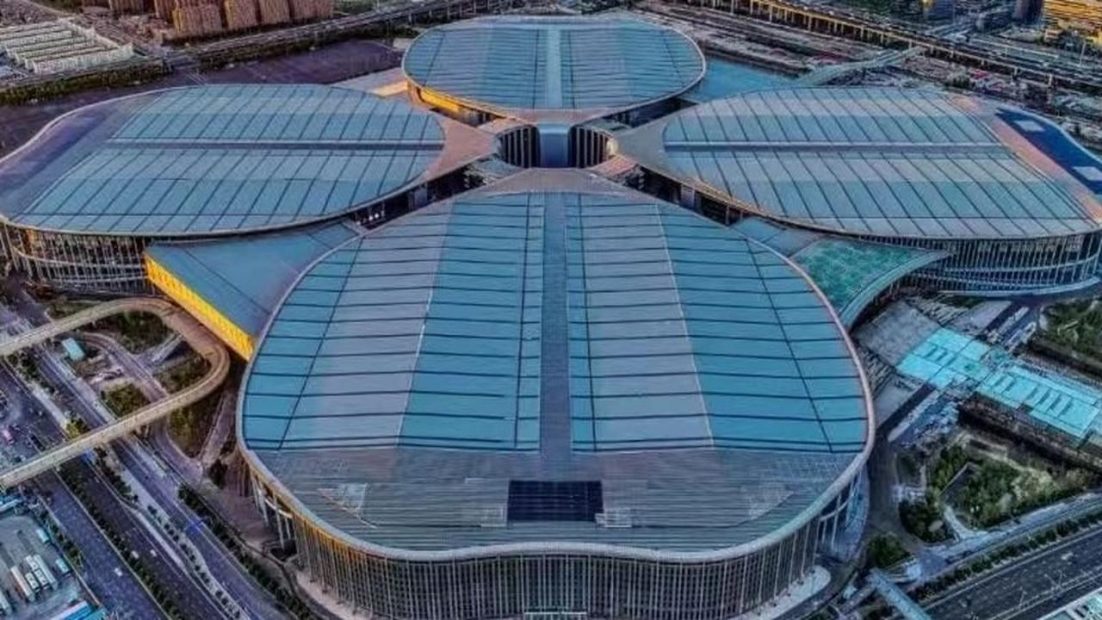
The ninth China International Import Expo is being held in Shanghai from November 5 to 10. A total of 162 countries, regions and international organisations and 4,142 foreign companies are participating. For the first time, the exhibition area has exceeded 4.4 million square metres.
Chinese President Xi Jinping has said the expo aims to expand openness and turn China’s vast market into a major opportunity for the world. For Bangladesh, this opportunity goes far beyond jute handbags.
With 100 per cent duty-free access for Bangladeshi products, free booth allocations and opportunities to establish e-commerce-based national pavilions for South Asian countries, access to the Chinese market has become easier. The question is what other Bangladeshi products can be showcased alongside jute.
Import Expo Lowers Market Barriers
The Import Expo is more than a large exhibition or trade fair. It plays an important role in reducing the initial costs of accessing the Chinese market for least developed countries.
The duty-free facility for Bangladeshi products has reduced market-entry costs, while free booths for South Asian countries have lowered participation expenses. National pavilions on major e-commerce platforms also create opportunities to sell products online after the expo ends.
Chinese President Xi Jinping has highlighted four key roles of the expo: international procurement, investment promotion, cultural exchange and open cooperation. The latter two are particularly important for Bangladesh.
A large purchase order can improve a company’s short-term earnings. However, long-term connections with Chinese textile suppliers, design firms and frozen-food logistics companies can bring wider changes to production and supply chains.
The success of the expo should therefore not be measured only by whether a Bangladeshi product attracts Chinese buyers. Connecting products to long-term commercial networks is equally important.
The jute handbag success story illustrates this. Nurus Safa and Tahera Akter not only found buyers but also developed the design and marketing capacity to turn jute into home decor items and carpets.
Leather Goods: From Raw Materials to Branded Products
Leather and leather goods have long been part of Bangladesh’s exports to China. However, exporting raw hides and selling finished leather shoes in the Chinese consumer market involve very different levels of value addition.
China is one of the world’s largest footwear and leather goods markets. Bangladesh has an established leather-processing industry and skilled workers, but needs stronger international brand recognition and better marketing channels. Bangladesh’s exports to China increased by 15.76 per cent in the first 10 months of the 2026 fiscal year, with leather goods and footwear among the key contributors.
The expo offers an opportunity to showcase Bangladeshi shoes and leather products directly to Chinese buyers and e-commerce companies. These products also enjoy zero-tariff benefits. The priority now is to move beyond supplying raw materials and establish brands for finished products.
Fish and Mangoes: Logistics Remain the Main Challenge
Bangladesh is among the leading producers of freshwater fish. Fish and shrimp are already exported to China. Discussions are also underway between the two countries to introduce Bangladeshi mangoes and other agricultural products to the Chinese market. Limited trial exports of mangoes have also taken place.
For fresh fish, fruits and other agricultural products, tariffs are not always the main obstacle. Maintaining freshness, ensuring quality, meeting sanitary and phytosanitary requirements and securing uninterrupted supplies are major challenges.
Chattogram Port’s cargo-handling system and the country’s cold storage and transportation facilities are also important. These capacities need to be strengthened to support large-scale exports.
Bangladeshi exporters should use the expo to find cold-chain logistics partners, testing and approval service providers, and e-commerce distribution channels. This could help turn trial exports into regular supplies.
Two Overlooked Sectors: Embroidery and Pharmaceuticals
Alongside jute, Bangladesh can showcase handicrafts and embroidery that reflect its cultural heritage. Nakshi Kantha is particularly promising because of its distinctive designs, craftsmanship and traditional appeal.
Growing interest in handicrafts and home decor products in China creates opportunities for Bangladeshi Nakshi Kantha, handmade cushions, wall hangings and other embroidered products.
These could be marketed as medium- and high-value cultural products, introducing Bangladesh’s heritage to Chinese buyers.
Pharmaceuticals are another promising but more complex sector. Bangladeshi medicines are exported to nearly 160 countries, and the industry has considerable manufacturing capacity in South Asia. However, annual export earnings remain below $300 million, while Bangladesh’s presence in the Chinese market is still limited.
Entering China’s pharmaceutical market requires quality certification, regulatory approval, product registration and the capacity to ensure uninterrupted supplies. The expo could help Bangladeshi pharmaceutical companies find Chinese technology partners, regulatory consultants and potential joint-venture partners.
The government has already identified pharmaceuticals as one of eight priority export sectors. However, expanding this market requires long-term investment in capacity rather than dependence on one-time exhibitions or purchase orders.
Lessons from Jute’s Success
The jute handbag story offers an important lesson. Bangladesh can make better use of the expo by transforming raw materials into branded, value-added products. The event should also be part of a long-term industrial and export strategy.
Leather and footwear need better production quality, design and branding. Fish and mangoes require improved cold-chain facilities and compliance with import regulations. Nakshi Kantha and embroidery need effective marketing, while pharmaceuticals require quality control, registration and technological cooperation.
Duty-free access has removed a major barrier. Bangladesh must now turn this opportunity into actual trade. Jute handbags should remain part of the exhibition, alongside leather shoes, Nakshi Kantha, fish, mangoes and medicines.
Showcasing products alone is not enough. Each sector needs an effective supply and marketing network to connect Bangladeshi factories with Chinese consumers.
The writer is a journalist at CMG Bangla, Beijing.