Tough Battle for Trump to Maintain Control of Congress
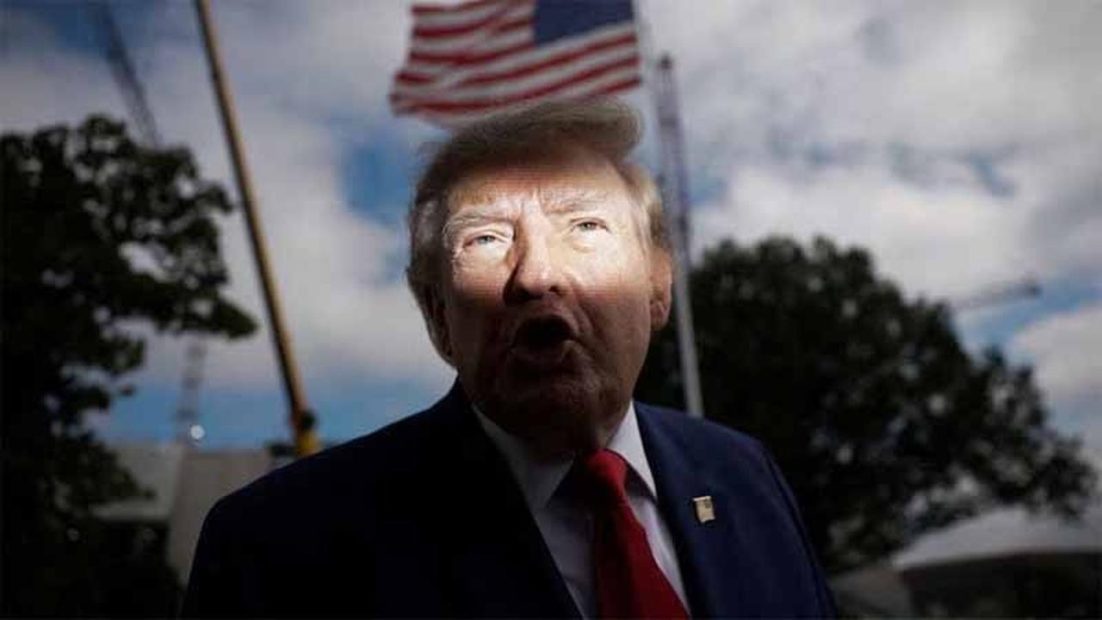
The US midterm elections are taking place today, Tuesday, determining whether President Donald Trump’s Republican Party can retain control of Congress. Recent polls show Democrats leading in the House of Representatives, while competition for the Senate remains closely contested.
Voter concerns are dominated by the economy and cost of living. Although inflation has eased, prices for essential goods and services remain high, placing financial strain on American families. Many voters attribute this situation to Trump administration policies, particularly tariffs and the impact of the conflict with Iran.
According to Reuters, despite economic discontent, positive indicators include low unemployment rates, job growth, and economic expansion. Significant investments in artificial intelligence have also boosted the stock market, increasing retirement savings for many citizens.
However, these economic indicators do not alleviate the public’s cost-related concerns. Elevated prices continue to strain household budgets, a sentiment reflected in voter polling.
Although President Mr. Trump is not on the ballot, his economic policies and administrative actions have become major issues in the campaign. The election results will impact his party’s standing in Congress and the political landscape for the remainder of his presidency.
Mr. Trump and Republican leaders maintained a busy campaign schedule on Monday, holding events near the Lincoln Memorial Reflecting Pool in Washington. On Sunday, Mr. Trump expressed confidence, claiming victory and asserting that a Democratic victory would bankrupt ordinary families.
Meanwhile, Democratic leaders remained active in the final hours of campaigning, with candidates such as James Talarico in Texas and Adam Hamilton in Kansas holding rallies across multiple states.
Recent polls indicate a lead for Democrats in the House of Representatives. A Reuters/Ipsos poll showed 46 percent support for Democrats compared to 38 percent for Republicans, giving Democrats an eight-point lead.
A Democratic takeover of the House could increase political pressure on the administration by granting the opposition control of key committees and budgetary votes, potentially leading to investigations into administration actions, allegations of corruption, and Epstein-related documents.
Republicans currently hold 53 seats in the Senate, alongside two independent senators who caucus with them. Democrats need a net gain of at least four seats to secure a majority.
This election features competitive Senate races in states such as Alaska, Michigan, Maine, Ohio, Texas, and Kansas several of which Trump won by wide margins in the 2024 presidential election.
In Michigan, the race between Democratic candidate Abdul El-Sayed and Republican candidate Mike Rogers has drawn significant attention. Shortly before the election, Democratic Congresswoman Haley Stevens withdrew her support for El-Sayed and endorsed Rogers, exposing internal party divisions. Stevens, who had lost to El-Sayed in the primary, appeared with Rogers at a campaign event, drawing criticism from party leaders, though the impact on the election outcome remains uncertain.
The midterms have also seen legal and procedural disputes. The Supreme Court dismissed a bid by the administration to set aside approximately 20,000 mail-in ballots in California over allegations regarding voters’ citizenship status. Additionally, an investigation was initiated in Alaska regarding a candidate sharing the name of Republican Senator Dan Sullivan, amid concerns over potential voter confusion.
The elections represent a major political test for the administration, with the outcome determining congressional oversight, budgeting, and legislative influence for the next two years.