Traditional Winter Shawl and Wrapper Weaving Factories Struggle with Soaring Raw Material Prices and Supply Shortages
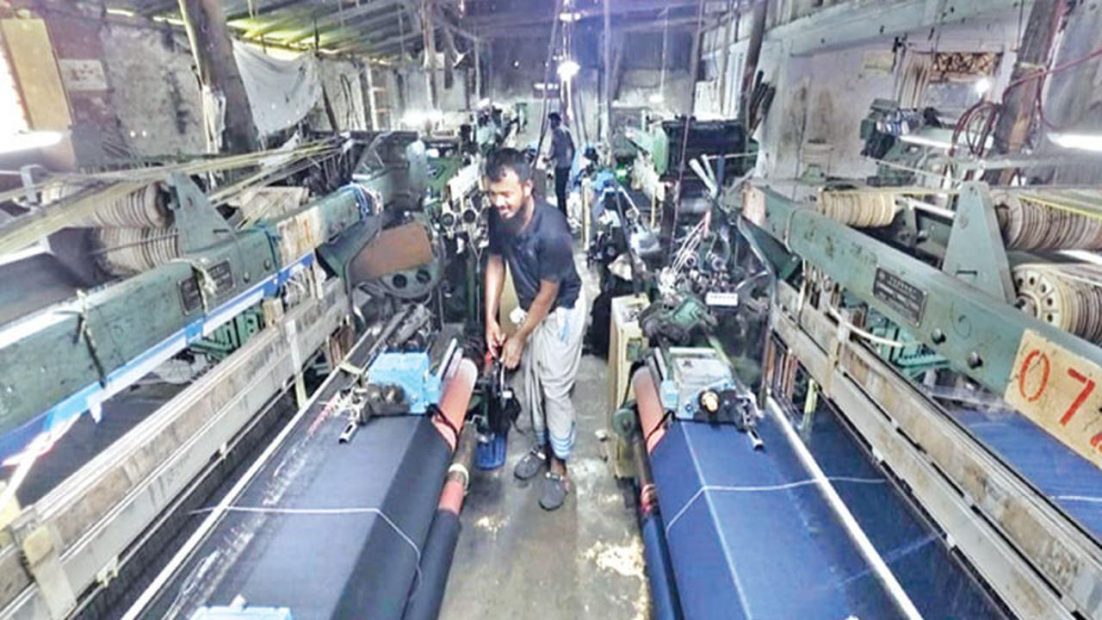
Before winter arrived, the sound of looms once filled the blanket-making factories in Kanchan Municipality of Rupganj upazila in Narayanganj. Skilled artisans used their hands to weave winter blankets in various colours and designs. But over time, this traditional industry has been pushed towards decline by a series of challenges.
After production remained suspended for three months due to power outages, loom owners and workers are now struggling with an unusual rise in yarn prices and supply shortages. As a result, they cannot produce enough blankets to meet demand ahead of the winter season.
A visit to blanket-making factories in Kanchan Municipality found that some workers were producing grey fabric from yarn, while others were turning the fabric into attractive winter blankets with colourful designs. Some workers were operating looms, others were preparing yarn, and some were arranging finished blankets for delivery to the market. However, the factories were not as busy as they once were. Rising production costs have left many loom owners and workers worried about their future.
People involved in the local weaving industry said blanket production is seasonal and continues for about six months of the year. In the past, factories operated day and night for several months before winter. Blankets made in the area are supplied to different parts of the country and also exported abroad. However, power shortages, rising yarn prices and higher production costs have pushed this traditional industry into a serious crisis.
Mr. Rahat, a blanket-making worker, told Inqilab yesterday, “Earlier, we had a heavy workload several months before winter. We operated the looms day and night to make blankets. But now, work has declined because yarn prices have increased. As there is less work, our income has also fallen. If this continues, it will become difficult to survive with our families.”
Another weaver, Mr. Karim, said, “We could not work properly for a long time because of power outages. Now yarn prices have risen again. The owners cannot buy enough yarn. As a result, production is falling. We want the government to ensure a normal electricity supply and take effective measures to control yarn prices.”
Mr. Jalil, another blanket-making worker, said, “I have been involved in this profession for a long time. Kanchan blankets were once in high demand. Blankets made here were sent to different parts of the country. But because of various problems, this industry is gradually disappearing. Without government support, it will be difficult to keep this profession alive in the future.”
Aminul Islam Babu, president of the Kanchan Municipal Textile Owners Association, said production had to be suspended for three months because of power outages. Now, rising yarn prices and supply shortages have made it difficult to maintain normal production. As a result, factory owners are facing financial losses.
He added that demand for blankets could rise this winter if the cold becomes more severe. If they can get good prices in the market, loom owners may be able to recover some of their losses. However, he warned that the industry would struggle to survive unless yarn prices were controlled and an uninterrupted electricity supply was ensured.
Local loom owners and workers said Rupganj’s traditional blanket industry is important not only to the local economy but also as a potential source of foreign exchange earnings. If the industry disappears, many workers will lose their livelihoods, while the country’s export income potential will also suffer. They called on the government to take urgent and effective steps to protect the industry.
Rupganj Upazila Nirbahi Officer (UNO) S. M. Abdul Bin Shafiq said the administration would investigate whether any syndicate was involved in the rise in yarn prices. He added that if the administration were informed of the specific reasons behind the price increase, it would discuss the matter with the relevant business association and try to resolve the problem.
Despite the difficulties, local weavers continue working to meet demand in the winter market. However, loom owners and workers warned that Rupganj’s traditional blanket industry could disappear completely unless the problems of rising yarn prices, supply shortages and power disruptions are resolved permanently. They urged the relevant authorities to intervene urgently to preserve the industry’s heritage and protect the livelihoods of its workers.