Transformation of Life in the Char Lands
Md. Ziaur Rahman
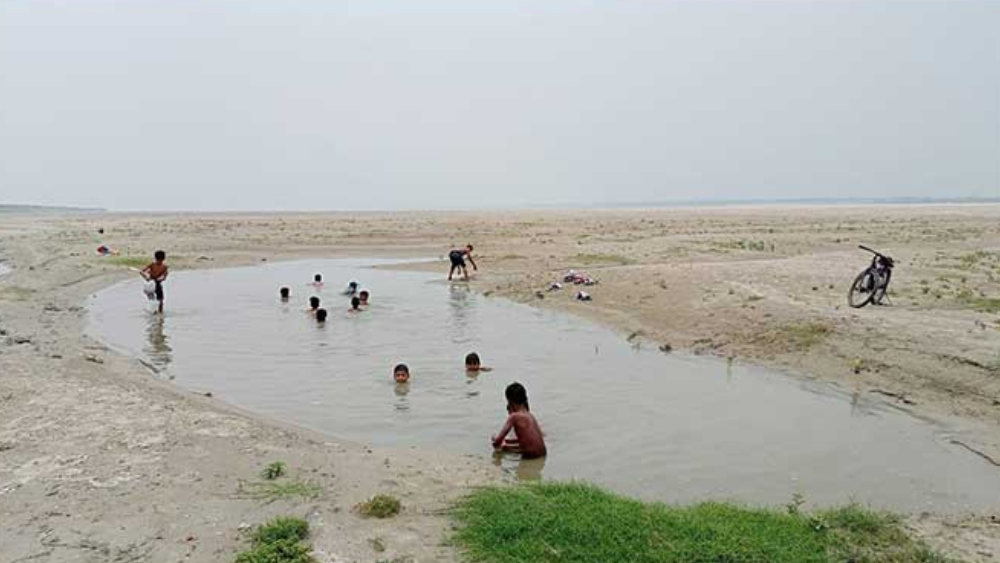
Char land stands as one of Bangladesh’s unique features and among the world’s most fertile land. These vast stretches of land rise from the basins of the Padma, Meghna, Jamuna, Teesta, and Brahmaputra rivers.
This land was once known for hunger, seasonal famine, river erosion, and extreme poverty. Millions of people living in these scattered char areas remained cut off from the mainland and depended heavily on nature’s mood.
Over time, this picture has changed in a major way. Modern farming technology, combined efforts from the government and private sector, and the hard work of char residents have transformed these lands.
Char areas are no longer neglected and marginal land. They have become a new driving force for the economy and a new frontier for food security.
Farming in the char lands has helped reduce poverty quickly, and marginalized people are becoming self reliant.
According to the Bangladesh Bureau of Statistics (BBS) and various development organizations, river formed char lands cover a large share of the country’s total area, home to about 1 crore people. Char land makes up nearly 10 percent of the country’s total area, or about 36 lakh acres.
Due to geographic difficulty, not all of this land has come under cultivation yet. Currently, about 25 percent, or 9 lakh acres of char land, has come under intensive farming, playing a growing role in national agricultural output.
A decade ago, BBS poverty maps marked char areas as the most vulnerable and extremely poor regions, where nearly 80 percent of people lived below the poverty line. Poor connectivity, lack of electricity, and weak infrastructure had kept this poverty in place for a long time.
In recent years, farm based employment and diverse crop production on the sandy char soil have brought clear positive change to the economic condition of these communities. Analysis of BBS economic census and household income survey data shows a significant rise in per capita income in char areas over the past decade, along with a fast decline in extreme poverty.
Increased use of farm technology means char residents no longer depend on work available only during certain months. BBS agricultural census data shows unused and fallow char land is steadily shrinking, while land under intensive cultivation keeps rising.
Income from farming now allows char families to build durable homes, pay for their children’s education, and improve their living standards through modern conveniences such as solar electricity.
The UN Food and Agriculture Organization (FAO) is working closely with the Bangladesh government to make char farming sustainable and resilient to climate change. Char areas face the earliest impact of climate related disasters such as floods, drought, and river erosion.
FAO provides technical support to build climate smart agriculture models for char farmers. Under its strategic framework for 2022 to 2031, FAO trains small char farmers to achieve better production, better nutrition, a better environment, and a better standard of living.
Through floating vegetable farming, emergency seed preservation, and the introduction of drought resistant crop varieties, FAO plays a major role in strengthening food security in char areas.
According to the Department of Agricultural Extension (DAE), Bangladesh currently has around 1,200 to 1,500 permanent and temporary chars. These chars cover a total area of about 8 lakh 30 thousand hectares.
Of this, 6 lakh 59 thousand 47 hectares are cultivable, while about 1 lakh 1 thousand 892 hectares remain fallow. Around 2 crore people live in these char areas.
Farming, fishing, livestock rearing, and small trade form the main livelihood of char residents. About 67 percent of the country’s total char land lies in the northern region.
Most chars are found in Kurigram, Jamalpur, Bhola, and Noakhali districts. Since these lands remain underwater for several months each year, fresh silt deposits naturally enrich the soil.
This allows good yields even with comparatively less chemical fertilizer and pesticide use. Bangladesh currently has about 88 lakh 29 thousand hectares, or 2 crore 18 lakh acres, of cultivable land, making up 59.7 percent of the country’s total area.
To convert single and double cropped land into triple cropped land, farmers now receive quality seeds, irrigation support, and easy agricultural loans. These steps encourage farmers to continue farming rather than lease or sell their land for non farm use.
Under the crop diversification program, various steps have been taken to boost production of high value and nutritious crops, distribute modern technology and seeds, train farmers, and raise awareness. As a result, single crop farming has declined while multi crop farming has increased, along with a notable rise in fruit and vegetable production.
The government is implementing the crop diversification program to make farming more profitable, nutritious, and climate resilient. It is also working on the Land Use Control and Farmland Protection Act 2026.
This program now runs across nearly all districts and upazilas, including coastal saline areas, the Barind region, haor areas, and hill areas. Various projects provide farmers with modern technology, quality seeds, and technical support.
Farmers also receive encouragement to grow nutritious and high value crops, helping raise both production and farmer income. Unplanned urbanization, housing construction, and industrialization cause the country to lose large amounts of farmland every year.
To address this and protect food security, the government has recently taken several important and strict measures. According to the Ministry of Agriculture, several key projects are being implemented in Jamalpur Sadar upazila under the crop diversification program.
These include the Smallholder Agricultural Competitiveness Project (SACP), the Program on Agricultural and Rural Transformation for Nutrition, Entrepreneurship and Resilience in Bangladesh (PARTNER), the project to strengthen nutrition and food security through agricultural development, the project to expand modern agricultural technology in Bangladesh’s char areas, and the project to increase cropping intensity in the greater Mymensingh region.
These projects have expanded crop diversification, spread the use of new technology, and made positive progress toward ensuring food and nutrition security. Although no official data measures the total contribution of char land to national output, its share in certain crops remains very high.
Char land now supplies about 35 to 40 percent of the country’s total maize and groundnut production. It also supplies about 20 to 25 percent of winter season sweet pumpkin, chili, and onion production.
Field level efforts have completely transformed farming in char areas. Char residents once grew only a few traditional low yield crops.
Under the DAE project to expand modern agricultural technology in char areas, the government now works to make 1,427 chars suitable for farming in the first phase, out of nearly 3,846 chars nationwide. DAE encourages char farmers to use climate resilient and high yield seed varieties, modern irrigation technology, and environmentally friendly farming methods.
As a result, the fertile silty and sandy soil of char land no longer produces only rice or jute, but now yields high value crops as well. Maize and groundnut now produce bumper harvests even on dry and rough char soil, changing the fortunes of char farmers.
Vegetables such as sweet pumpkin, eggplant, chili, onion, potato, and squash are grown widely. Sweet pumpkin from char land has even found its way into export markets abroad.
The vast grazing lands of char areas also suit livestock rearing very well. According to government data and reports from the Department of Livestock Services, farmers now commercially raise cows, buffaloes, goats, and sheep in char areas.
Milk produced in the char areas of Pabna, Sirajganj, and Kurigram serves as a major raw material source for the country’s leading dairy processing companies. This growth in livestock farming has become a powerful tool for reducing poverty among landless and marginalized people in char areas, helping them become self reliant quickly.
Char farming today stands as a unique example of Bangladesh’s economic and social transformation. Once barren sandy land now flourishes with green crops.
Through DAE’s field level technical expansion, positive indicators from BBS, international technical guidance from FAO, and the tireless work of local farmers, poverty in char areas continues to decline rapidly. If char farmers receive greater access to interest free or low interest loans, better irrigation facilities, and crop insurance during disasters, char areas could bring an even bigger transformation to the country’s overall fisheries and agricultural economy.
This story of self reliance among char residents proves that the right initiatives and opportunities can turn even the harshest environment into a place of prosperity.
The writer is Project Director, Project for Expansion of Modern Agricultural Technology in Bangladesh’s Char Areas