Urgent Action Needed to Combat Dengue
Md. Zahirul Alam-Shahin
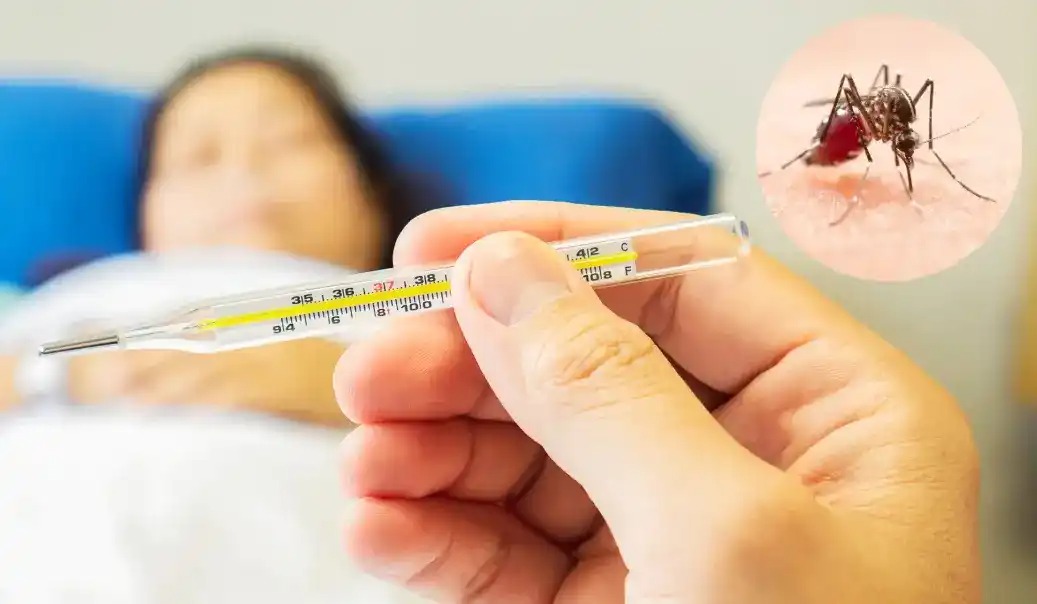
The mosquito is the world’s deadliest animal. More than 700,000 people die every year from mosquito-borne diseases, including dengue, malaria and chikungunya. In Bangladesh, dengue is no longer merely a seasonal problem; it has become a long-term national public health crisis. Experts say the risk is highest from August to October. Since the breeding of Aedes mosquitoes increases during the monsoon, preventive measures and vigilance must be intensified during this period.
Dengue has been a longstanding problem in Bangladesh. In 2018, 10,148 people were infected. In 2019, dengue reached epidemic proportions, infecting 101,354 people and killing 179. In 2020, 5,551 cases and 93 deaths were recorded. In 2021, there were 28,429 cases and 105 deaths, while in 2022, 62,382 cases and 281 deaths were reported. The situation became particularly severe in 2023, when 321,179 people were hospitalized and 1,075 died. In 2024, 101,214 cases and 575 deaths were recorded, followed by 102,861 cases and 413 deaths in 2025. From January to July 2026, 15,320 people have been infected and 54 have died. Barguna is among the worst-affected districts, while Chattogram, Khulna, Cox’s Bazar, Chandpur, Cumilla, Dhaka, Gazipur, Mymensingh, Narsingdi, Manikganj, Munshiganj, Narayanganj, Barishal, Pirojpur, Patuakhali and Bagerhat are also considered high-risk areas.
During the monsoon, Aedes mosquitoes breed in stagnant water found in coconut shells, discarded tyres, flowerpots, broken bottles, buckets, drums, air-conditioner trays and rooftops. Even a small amount of clean stagnant water can provide a breeding site. Eliminating such breeding grounds is therefore the most effective way to prevent dengue. Dengue virus has four serotypes—DENV-1, DENV-2, DENV-3 and DENV-4. Currently, DENV-3 accounts for 91 percent of tested samples, while DENV-2 accounts for 9 percent. Changes in serotypes, combined with climate change, unplanned urbanisation, poor waste management and inadequate public awareness, are increasing the dengue threat.
High fever, severe headache, pain behind the eyes, muscle and joint pain, vomiting, abdominal pain, rash, bleeding, breathing difficulties or abnormal behaviour require prompt medical attention. Patients should be given adequate water, oral saline, coconut water and other fluids and kept at complete rest. Preventing dengue requires eliminating stagnant water around homes and communities, maintaining cleanliness, using mosquito nets and screens, wearing clothing that covers the body, and taking appropriate mosquito-control measures. Rooftop gardens and construction sites should also be kept clean. A coordinated effort by the government, local administration, health workers, educational institutions, social organisations, political leaders and citizens is essential to combat dengue effectively.