Climate Crisis: Switzerland Loses 20% of Glacier Ice in Five Years
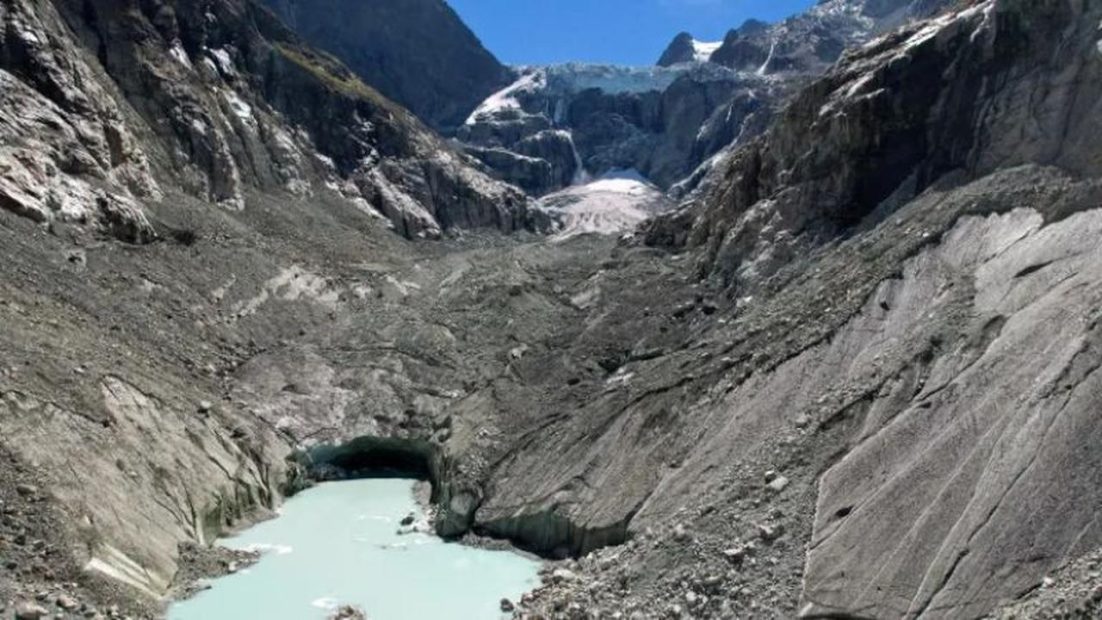
Switzerland, home to the Alps, has lost nearly 20 percent of its glacier ice in just five years. Scientists have warned that record heat and unusually low snowfall during winter are driving the rapid loss. According to a joint report by the Swiss Glacier Monitoring Network (GLAMOS) and the Swiss Academy of Sciences, Switzerland’s glaciers lost 5.5 percent of their total ice in the year through September 2026. Since 2021, the total loss has reached nearly 20 percent.
Why are the Alps’ glaciers melting?
Researchers say the main causes are Switzerland’s hottest summer on record and unusually low snowfall during winter. With less snow, glaciers did not receive enough protective cover, allowing extreme heat to melt the ice more rapidly.
Water loss: Between July and September alone, around 2.2 trillion litres of meltwater flowed from the glaciers. This is more than four times the annual drinking-water needs of all households in Switzerland.
Small glaciers disappearing: Smaller glaciers are shrinking the fastest, and some have already disappeared completely from maps.
Impact on the economy and environment
1. Pressure on tourism: Tourism accounts for around 4 percent of total employment in Switzerland. As the ice disappears, parts of the once snow-covered Alps are increasingly exposed as grey and dark rock, potentially reducing their appeal to tourists.
2. Water and power risks: Glacier water is used for hydropower generation and feeds major European rivers. If glaciers continue to disappear, the region could face serious shortages of drinking water and electricity in the future.
3. Rising global sea levels: Meltwater from the Alps eventually reaches the oceans, contributing to rising sea levels and increasing the risk of flooding in coastal areas around the world.
Experts have warned that if carbon emissions are not reduced immediately, more than 90 percent of the Alps’ ice could be permanently lost by 2100.