Crisis Fix or Fresh Inflationary Shock?
Md. Shahidul Islam Sumon
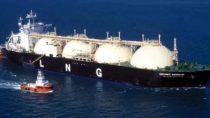
The government has raised fuel oil prices again. It names two main reasons: higher world fuel prices and higher shipping costs. The Energy and Mineral Resources Division says that since March, world prices of several fuels have more than doubled. It also says freight charges have risen a lot because of regional unrest.
The Bangladesh Petroleum Corporation (BPC) is also under heavy financial pressure. The Division says the BPC lost about 22,875 crore taka from March to August. At current world prices, it loses about 89 taka on every liter of diesel it sells. So the economic pressure behind the price rise is real. But the question is whether it is wise to pass all of it on to consumers.
Bangladesh imports its fuel, so a rise in world prices must reach the local market. Conflict in the Middle East and doubts about supply have made the global fuel market shakier. Import costs have gone up too. But relying only on higher retail prices to handle this pressure creates new problems.
Fuel is a basic input for the whole economy. When diesel costs more, vehicle fares rise, and so do costs in farming, transport, supply, factory output and construction. Goods in Bangladesh move mostly by road, so fuel costs reach supply chains fast. We can already see this. The effect shows in the price of vegetables and almost every daily item.
Inflation is already a serious problem for the economy. A fuel price rise will push it higher. When transport costs more, farm goods and other goods cost more to reach the market. When production costs rise, factories carry extra cost. Traders then pass part of that cost on in prices. This raises the risk of cost push inflation. People’s real buying power also falls. If the same income must pay more for transport and food, people can spend less on other needs.
Fuel prices also raise production costs. Factories use more fuel directly, and they also feel the effect through power, transport, logistics and raw material costs. Export industries, especially ready made garments, face price competition abroad. Higher costs will make it harder to stay competitive.
So what is the other way? This is the key policy question. When world fuel prices jump, the government must handle the extra import bill somehow. But raising the retail price all at once is not the only way. The writer offers several steps.
First, the country can use the automatic fuel pricing system in a clearer and stronger way. The IMF has also urged Bangladesh to apply this system steadily. Then local prices can follow world prices slowly.
Second, the BPC must be more open about its money. It should share regular and detailed facts on import cost, transport cost, tax, operating cost, margin and subsidy. Then people can see how world changes reach local prices.
Third, the government can think about a temporary change in tax and duty. If it cuts the tax burden for a while, the government, the BPC and consumers can share the shock. Bangladesh has talked about fuel tax and duty in the past too.
Fourth, the government can cut needless spending and use that money to meet import costs. It must also reduce waste, weak management and poor efficiency in the fuel supply chain.
Fifth, and most important, is targeted support. Direct help to poor and weak groups works better than a subsidy for everyone. As long as Bangladesh depends on imported fuel, world market shocks will hurt its economy. So the long term answer lies in energy security, not only in setting prices.
The country should search for more local gas and use more renewable energy. It should also build up its energy systems and strengthen public transport. For LNG and other imported fuels, it needs long term supply deals, many sources and strategic stocks.
Seeing the decision only as “prices went up” hides the full picture. On one side are the unusual rise in world prices and the BPC’s huge loss. On the other side are inflation, living costs, factory costs and export competition. So the country most needs a fuel price policy that is open, predictable and balanced. World price rises will show up at home. The key questions are how fast, by how much, and how the country will handle the social impact.
Along with price changes, the country must move together on several steps. These are financial reform at the BPC, fair tax and duty rules, less waste, targeted social protection and investment in renewable energy. The fuel crisis is not only a fuel market crisis. It ties to inflation, production, jobs, exports, foreign currency and the daily life of ordinary people.
The writer is an economic analyst, columnist and researcher on the Chittagong Hill Tracts.