Jamuna Fertiliser Factory Shuts Down Again Two Days After Resuming Production
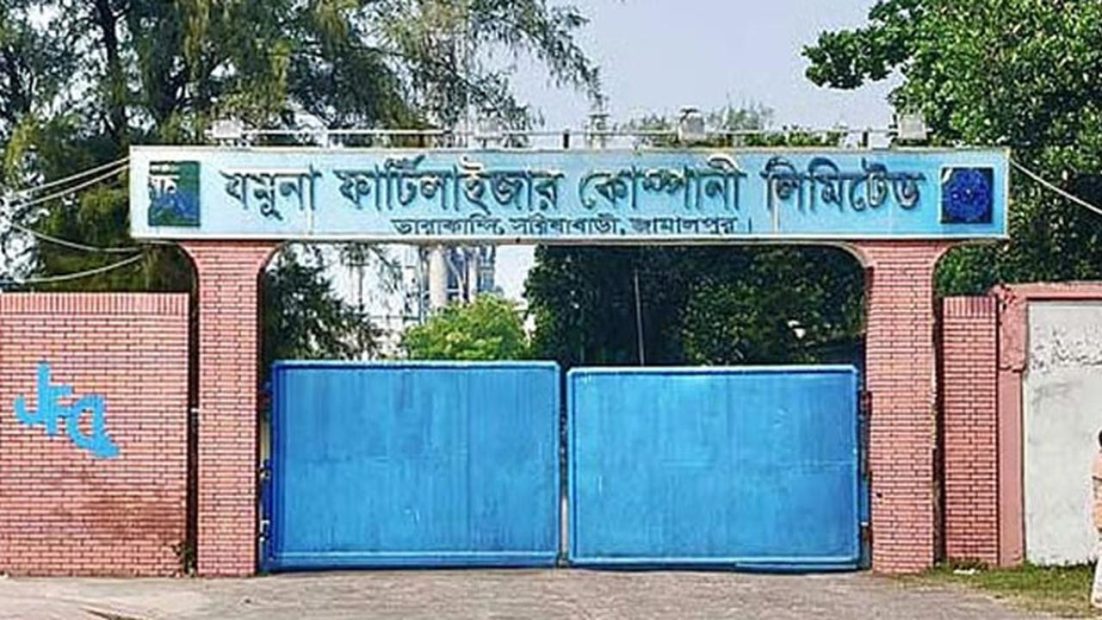
The Jamuna Fertiliser Company Limited in Sarishabari, Jamalpur, has suspended urea fertiliser production again just two days after resuming operations following a seven-month shutdown caused by a gas shortage.
Production was halted at 5am on Sunday (October 25) due to insufficient gas pressure to meet the factory’s requirements. The latest shutdown has once again cast uncertainty over operations at one of the country’s largest state-owned fertiliser factories.
Fazlul Haque, head of the factory’s production department, confirmed the suspension on Sunday afternoon. He said continuous urea production requires a daily gas pressure of 42–43 pounds per square inch (PSI). However, production had to be suspended because the gas supply was insufficient to maintain the required pressure.
Production will resume once gas pressure returns to normal, he added.
According to factory sources, the Jamuna Fertiliser Factory has a production capacity of 1,700 tonnes of urea per day. Gas supply to the factory resumed on September 20 after production had remained suspended for an extended period due to the shortage. However, production could not restart immediately because gas pressure remained inadequate.
Production eventually resumed late at night on October 6 after gas pressure increased. But operations were suspended again on October 7 following a mechanical fault in the boiler plant. After repairs were completed, the factory resumed production on October 23. Just two days later, production was halted again due to the gas shortage.
The factory has faced prolonged production disruptions because of gas shortages and various mechanical problems. Production was initially suspended on February 12 this year due to the gas crisis. Although gas supply resumed in September after nearly seven months, inadequate pressure delayed the restoration of normal operations.
The prolonged shutdown also caused faults in various machinery components and production systems, further complicating the process of restarting operations.
The factory’s suspension could affect fertiliser supplies across extensive agricultural regions of the country. Through dealers enlisted with the Bangladesh Chemical Industries Corporation (BCIC), the factory supplies urea fertiliser to Jamalpur, Sherpur, Mymensingh, Tangail and several other northern districts.
A prolonged production halt could put additional pressure on local fertiliser supplies. Farmers may face further difficulties if demand cannot be met during this crucial agricultural season.
According to information provided by factory sources, the plant can produce fertiliser worth around Tk 2 billion per month when operating normally, generating a profit of approximately Tk 600 million, the sources said.
Meanwhile, even when production remains suspended, the factory must pay around Tk 60 million in monthly gas bills, in addition to other expenses, to keep the plant operational.
As a result, the gas shortage is not only disrupting fertiliser production and revenue but also leaving the factory to bear substantial operating costs despite the suspension.