Ulama Play Indispensable Role in Curbing Crime, Maintaining Social Stability
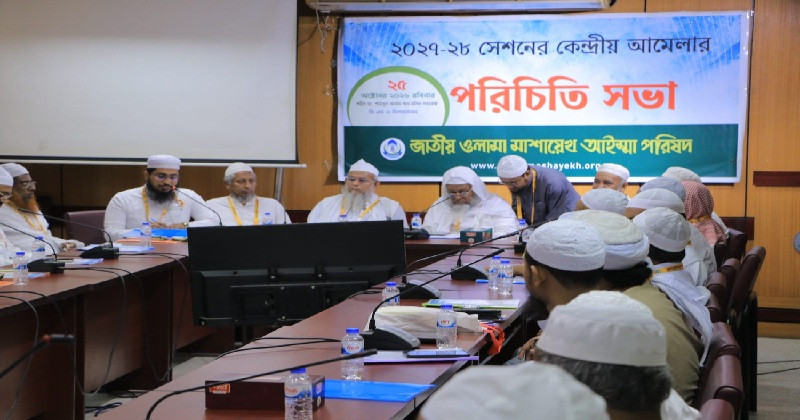
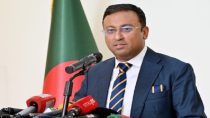
National Ulama Mashayekh Aimma Parishad President Mr. Mufti Mizanur Rahman Saeed has said the role of ulama in controlling crime and keeping social stability cannot be denied. He said it is a motivated act to blame the ulama as a whole over one or two incidents. He also asked madrasas and ulama to stay extremely careful about their own actions.
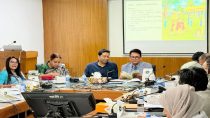
Mr. Saeed said this yesterday at the BMA auditorium in the capital. The event announced the full 101 member central committee of the Parishad.
Mr. Saeed said people who studied at madrasas or have ties with madrasas and ulama are much less prone to crime. He said police recorded 1 lakh 51 thousand 596 cases in the country in the nine months from January to September. He claimed that the number of people linked with ulama and madrasas among them is very small.
He said an analysis of specific data would show the important role of ulama in controlling crime and keeping social stability. He said it is not right to blame the ulama as a whole over one or two incidents.
Warning the ulama, the Parishad president said, “Stains show more on white cloth. So madrasas and ulama must be extremely careful.” He said they must not do anything that makes people question the dignity of ulama. He asked them to build closer ties with local people for this reason.
The Parishad announced its first committee at the National Ulama Summit earlier this month. That committee named Mr. Mufti Mizanur Rahman Saeed as president and Mr. Mufti Rezaul Karim Abrar as general secretary. Mr. Saeed announced the full committee yesterday.
In the new 101 member committee, Dr. A F M Khaled Hossain became senior vice president. Mr. Mufti Shamsuddoha Ashrafi became senior joint general secretary. Mr. Maulana Shahjahan Al Habibi became organising secretary.
The committee also has secretaries and members for many areas besides the organising secretaries of different divisions. These areas include training, publicity, office, finance, dawah, Shariah, fatwa, education, research, employment, information technology and media.