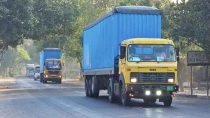
Khulna Super Jute Mill Faces Closure Under Heavy Debt
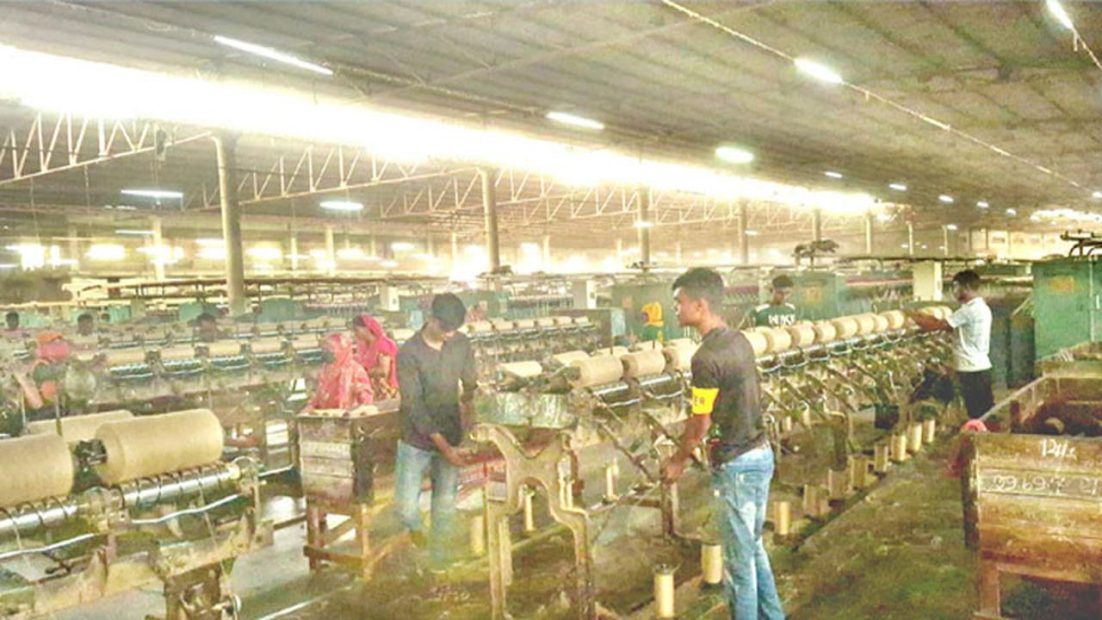
The factory once earned a net profit of Tk 2 million to Tk 3 million every day. Foreign buyers paid in advance before receiving their orders. In recognition of its outstanding success in export markets, it received national awards three times. Today, however, the historic Super Jute Mill in Phultala, Khulna, is struggling under a heavy debt burden, with production at a standstill. Superex Leather, an internationally recognised sister concern of the same industrial group, is facing a similar crisis.
The owners claim that the collapse was not caused by business failure but by the suspension of necessary bank financing and pressure from a controversial business group. The lending bank, however, says the crisis resulted from the company’s failure to present a clear debt repayment plan and repay instalments despite being given repeated opportunities.
According to sources, Super Jute Mill began operations in 2006 in Alka village of Phultala upazila, Khulna, with an initial investment of around Tk 2.5 billion. Its product quality helped it quickly become one of the country’s leading private-sector exporters of jute goods. The company exported jute products to around 24 countries worldwide and provided employment and livelihoods for nearly 5,000 local people.
Impressed by the mill’s consistent business success, Islami Bank Bangladesh PLC advised the owners to expand into other industrial sectors. After receiving a major financing commitment from the bank, the group established Superex Leather in North Dihi village of Khulna in 2016, investing around Tk 7 billion. The factory was equipped with advanced imported machinery and obtained certification from the Leather Working Group by meeting international environmental standards.
According to management sources, the company invested around Tk 1.5 billion of its own funds to purchase raw hides for the factory. However, it failed to obtain the working capital it had sought from Islami Bank to import the chemicals and other materials required for leather processing. As a result, the hides stored in the warehouse began to deteriorate because they could not be processed. The price of hides purchased at Tk 80 per square foot eventually fell to just Tk 20, causing losses amounting to hundreds of crores of taka.
M Firoz Ahmed Bhuiyan, managing director of Super Jute Mill and Superex Leather, alleged that Islami Bank stopped providing the necessary working capital to his profitable businesses after 2017. He said, “The controversial S Alam Group, which controlled the bank at the time, had its eyes on our two profitable and successful industrial enterprises. They deliberately stopped bank financing and the supply of working capital so that we would become financially weak and they could forcibly take over the two companies.”
In response to the owner’s allegations, Iftekhar Hossain, manager of Islami Bank Bangladesh PLC’s Daulatpur branch, presented a different account. He said the company had not provided the bank with a clear or realistic plan for repaying its loans.
He added that the company’s loans had already been rescheduled three to four times. Under a special Bangladesh Bank circular, the company had a major opportunity last December to regularise its defaulted loans by paying a down payment of just 2%, but it did not take advantage of the opportunity.
The bank official further said that instalment payments were scheduled to resume in July, but three consecutive instalments had already fallen overdue. As he was not serving at the branch in 2015–16, the manager said he could not provide details about the bank’s assurances at the time regarding fresh investment in the businesses. However, he confirmed that the owner had applied for around Tk 2 billion in working capital to restart the two factories, which are currently closed.
Managing Director M Firoz Ahmed Bhuiyan said the companies’ physical assets and factory infrastructure remained intact and had not lost their value. He said the main reason for the production shutdown was the shortage of working capital.
He expressed hope that if around Tk 2 billion in working capital were provided urgently, both Super Jute Mill and Superex Leather could resume full-scale production, restore the country’s reputation in export markets and protect the livelihoods of thousands of workers.
Workers in Khulna’s jute and leather industries are now waiting for positive action from the bank and relevant authorities to protect domestic industries and safeguard the livelihoods of thousands of people.