UAE Minister of State and UN Chief Candidate Lana Nusseibeh Calls for ‘Shift in Mindset’
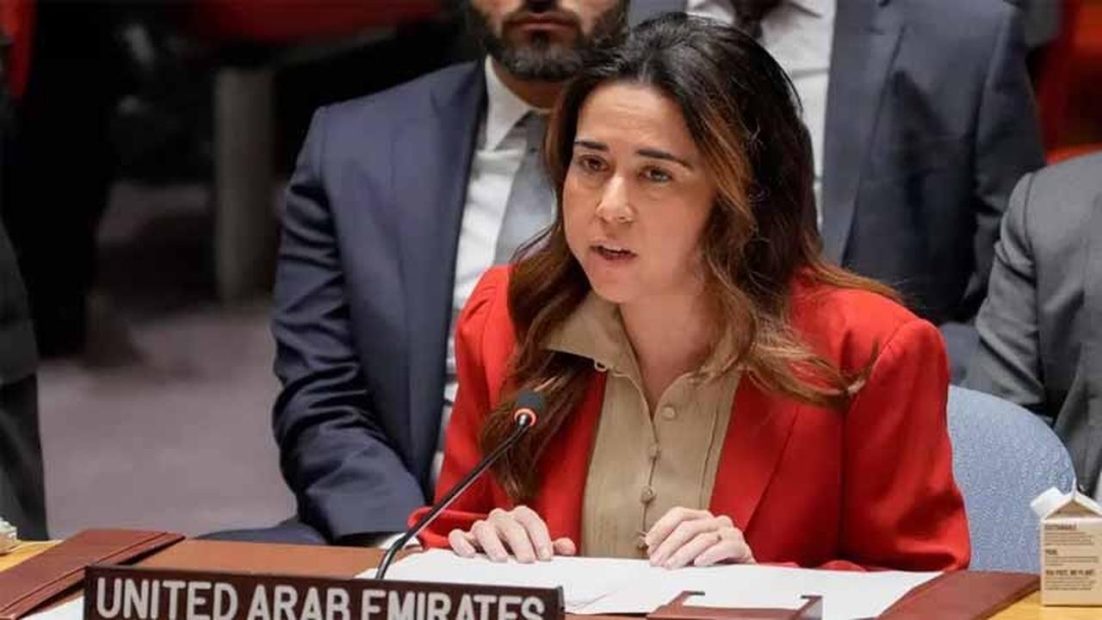
Lana Nusseibeh, the United Arab Emirates’ candidate for United Nations secretary-general, has called for a change of mindset within the organisation, saying it must play a more active role in addressing the world’s most urgent challenges.
To make the UN more effective, leadership decisions and resource allocation must be brought closer to the problems they are intended to address, she said.
Ms. Nusseibeh serves as the UAE’s Assistant Minister for Political Affairs at the Ministry of Foreign Affairs. From 2013 to 2024, she served as the country’s permanent representative to the United Nations, becoming the first woman to hold the position. UAE President Mohamed bin Zayed Al Nahyan has nominated her for the secretary-general post. If elected, she would become the first woman to lead the UN as secretary-general.
Her nomination, announced last week, has drawn both support and criticism. Ms. Nusseibeh has said she is not seeking the position simply because she is a woman. Instead, she describes herself as “stubbornly optimistic” about improving the UN’s effectiveness.
She has emphasised the need to restore morale among UN staff and ensure that the organisation delivers tangible results. In her view, the UN must focus on areas where it can make the greatest difference. Decision-making and resource allocation should also be more closely connected to challenges on the ground, enabling the Secretariat to respond more quickly and effectively.
Ms. Nusseibeh’s campaign identifies three key areas for reform: human rights, peace and security, and development. She argues that the UN’s credibility depends on avoiding double standards in implementing its Charter. However, her campaign documents do not specify particular budget cuts or provide examples of alleged double standards in enforcing the Charter.
How the UN Secretary-General Is Elected
To become secretary-general, a candidate must first secure at least nine votes in the 15-member UN Security Council. The candidate must also avoid a veto from any of the council’s five permanent members. The appointment is then considered by the UN General Assembly.
Gulf Cooperation Council (GCC) Secretary-General Jasem Mohamed Albudaiwi has said that Saudi Arabia, Bahrain, Kuwait, Oman and Qatar have reached a consensus in support of Nusseibeh’s candidacy.
According to reports, the United Kingdom is also leaning towards supporting her. Improving relations between the British government and the UAE has reportedly been a factor behind this position. However, an official announcement of British support has not been confirmed.
Ms. Nusseibeh’s support for the Abraham Accords, through which the UAE and Bahrain normalised relations with Israel, could potentially help her secure the backing of US President Donald Trump.
Mr. Trump has repeatedly criticised the UN’s bureaucracy and accused the organisation of bias against Israel and the United States. Earlier this month, Politico reported that the United States had rejected candidates whose positions were inconsistent with Trump’s policies. However, Mr. Trump has not formally endorsed any candidate for the secretary-general position.
Criticism Over UAE’s Alleged Support for Sudan’s RSF
Meanwhile, some human rights advocates oppose Ms. Nusseibeh’s candidacy over allegations that the UAE has supported the paramilitary Rapid Support Forces (RSF) in Sudan’s civil war.
Ms. Nusseibeh has rejected allegations concerning her government’s financing of the group, describing them as “baseless, unsubstantiated and lacking credible information.”
However, reports by UN sanctions monitors have described allegations of UAE military support for the RSF as credible. Sudan’s Permanent Representative to the United Nations, Ammar Mohamed Mahmoud, has criticised Nusseibeh’s nomination on social media platform X and reiterated the allegations.
The controversy over Sudan, alongside questions about the UAE candidate’s diplomatic support and proposed reforms, is likely to remain a significant issue as the contest for the UN’s top diplomatic post develops.