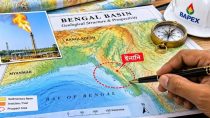
Substantial investment is the only way forward.
Bangladesh’s Least Developed Country Status: UN Grants Three-Year Extension for Graduation
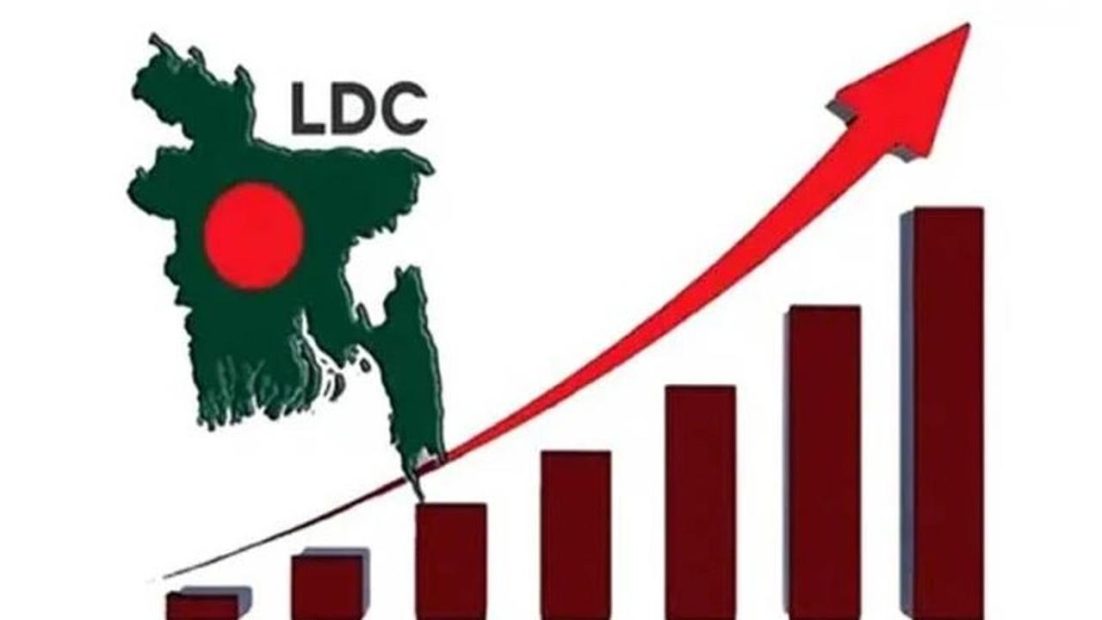
The United Nations General Assembly (UNGA) has granted Bangladesh an additional three years to prepare for graduation from the group of Least Developed Countries (LDCs). As a result, Bangladesh will now officially graduate from the LDC category on November 24, 2029, instead of the previously scheduled date of November 24, 2026.
The decision was adopted unanimously at the UN General Assembly on Thursday following a proposal submitted by Uruguay on behalf of Bangladesh. The additional time will allow Bangladesh to address its economic and structural weaknesses, strengthen export capacity and adapt to changes in international trade benefits.
The UN also called on Bangladesh to accelerate its reform programmes and submit annual progress reports to the organisation. The government had sought an extension from the UN Committee for Development Policy (UN-CDP) on February 18, citing global economic uncertainty, geopolitical tensions, risks to energy and global supply chains, and domestic economic challenges. The UN-CDP later recommended that the request be considered favourably.
On July 21, the United Nations Economic and Social Council (ECOSOC) recommended that the General Assembly take a decision on the matter. The new graduation deadline has now been set following the approval of that recommendation.
Bangladesh was first included in the LDC category in December 1975. In two consecutive reviews in 2018 and 2021, the country met all three graduation criteria: gross national income per capita, the Human Assets Index, and economic and environmental vulnerability.
After the graduation recommendation was approved in 2021, Bangladesh was given a five-year preparatory period in consideration of the impact of the Covid-19 pandemic. The latest decision has extended that period until 2029.
However, graduation from the LDC category may lead to changes in preferential trade benefits, including the Generalised System of Preferences (GSP), in major markets such as the European Union, the United Kingdom, Canada and Japan.
This could weaken Bangladesh’s export competitiveness in international markets, particularly in the ready-made garment sector. The additional three years will therefore be crucial for preparing the economy to address these challenges.