Corruption and Irregularities have Ruined Many Cooperatives: President
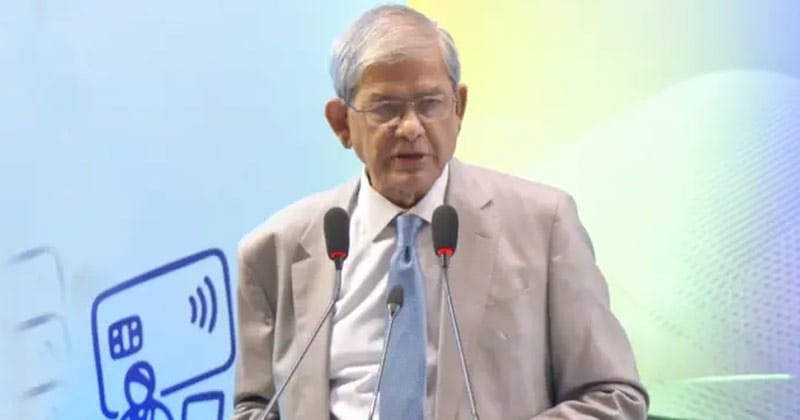
President Mirza Fakhrul Islam Alamgir said many cooperative societies in the country have been ruined by corruption and irregularities, and that the cooperative sector must ensure transparency and accountability. At the same time, he urged everyone to work unitedly to tackle the energy crisis triggered by the global war and keep the wheels of the fragile economy moving.
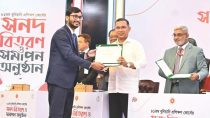
He made these remarks while addressing a program organized by the Department of Cooperatives as the chief guest on the occasion of the 55th National Cooperative Day at the Osmani Memorial Auditorium in Dhaka on Sunday, November 8.
The President said that cooperatives are not limited merely to product manufacturing or business activities. They are also associated with rural economic development, job creation, poverty alleviation, and improving the living standards of marginalized people. To build a self-reliant and independent Bangladesh by harnessing this potential, it is necessary to make the cooperative system more effective and public welfare-oriented.
Mentioning that various challenges, including an energy crisis, have arisen due to the impact of the global war situation, he said everyone must come forward collectively to overcome these crises and keep the economic wheels turning. He emphasized cooperation and united initiatives to protect the stability of the national economy and maintain the continuity of development.
He further stated that the core objective of the cooperative system is to achieve economic self-reliance through the people’s collective efforts. To achieve this goal, cooperative societies must ensure transparency, accountability, and good governance in their activities. All concerned must play a responsible role in removing obstacles that hinder the potential of cooperatives due to corruption and irregularities.
Notably, the program organized on the occasion of the 55th National Cooperative Day highlighted cooperatives’ role in developing the cooperative sector, strengthening the rural economy, and transforming the socioeconomic conditions of ordinary people.