China Vows Firm Support for Cuba Amid US Energy Blockade
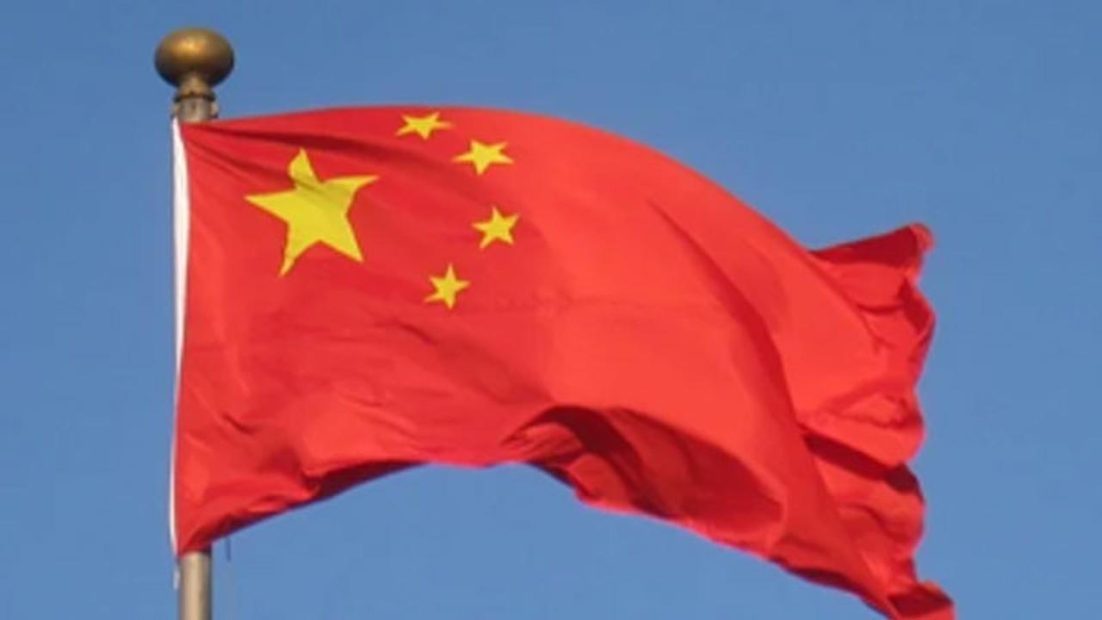
China has pledged unwavering and unconditional support for Cuba, which is struggling under a severe US-imposed energy blockade and economic sanctions. Chinese Foreign Minister Wang Yi has made it clear that Beijing will always stand by Havana in defending Cuba’s national sovereignty and legitimate rights and opposing foreign interference, regardless of changes in the international situation.
At a high-level meeting between the two countries in Beijing on Wednesday, the Cuban side strongly raised the issue of the US energy blockade and mounting economic pressure. In response, Chinese Foreign Minister Wang Yi unequivocally stated that China would firmly stand with Cuba against US sanctions and the blockade. At the meeting, both countries reaffirmed their commitment to further strengthening their strategic bilateral ties and expanding mutual cooperation in international multilateral forums.
Since the beginning of this year, US President Donald Trump’s administration has threatened to impose heavy tariffs and sanctions on any country supplying oil to Cuba, effectively creating an energy blockade against the island nation. As a result, the Caribbean country has been facing a severe fuel and electricity crisis. Prolonged nationwide blackouts have severely disrupted transport, hospitals, communications and everyday life.
The fuel crisis has also forced airports to suspend aircraft refuelling, leading to international flight cancellations and a sharp decline in the tourism sector.
The United Nations has also recently expressed deep concern over Cuba’s worsening energy crisis and its adverse impact on the daily lives of ordinary people.
As a longstanding socialist ally, Beijing has consistently opposed the decades-old US trade embargo against Cuba. According to political and international affairs analysts, Beijing’s public pledge of diplomatic and economic support for Havana amid Washington’s mounting energy pressure clearly signals China’s growing presence in the Western Hemisphere, traditionally considered part of the US sphere of influence.
Source: South China Morning Post