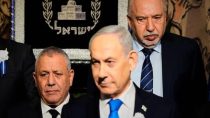
US, Iran and Qatar Fear Netanyahu Could Derail Peace Talks
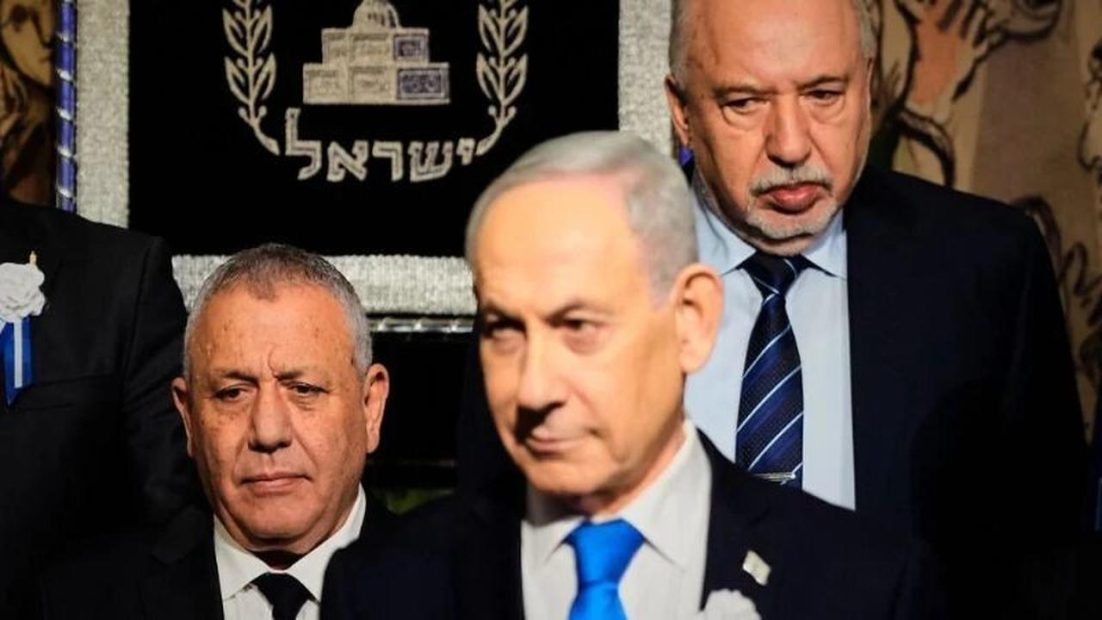
Negotiators from the United States, Iran and mediator Qatar have expressed serious concern that Israeli Prime Minister Benjamin Netanyahu could derail ongoing efforts to end the war between Washington and Tehran. They fear Netanyahu may authorise a fresh military operation against Iran in an attempt to restart the war, undermining the entire negotiation process.
The concerns were raised by two government officials familiar with the discussions. According to the officials, all parties involved in the negotiations fear that Mr. Netanyahu could take action against Iran that would reignite the intense military conflict, which has largely subsided since last April Unlike hardliners in Washington and Tehran, representatives involved in the negotiations are opposed to a resumption of hostilities.
Mr. Trump’s Position and Economic Pressure Strategy
Although US President Donald Trump has appeared undecided between launching fresh attacks on Iran and reaching a deal to end the war, he currently seems inclined to maintain the status quo. As part of this approach, the United States has maintained its blockade of Iranian ports while tightening economic sanctions against Tehran.
Supporters of the administration’s strategy hope the pressure will force Iran to accept US demands over its nuclear programme and the Strait of Hormuz. A US official viewed Tehran’s recent agreement to discuss its nuclear programme with Qatari mediators as a sign that economic pressure is working.
However, the strategy could take several months to produce results. Meanwhile, the risks to shipping through the Strait of Hormuz are increasing, forcing American consumers to pay more for fuel. There is also no guarantee that Iran will refrain from retaliatory measures as economic pressure intensifies.
Major Differences in Negotiations
A second official said Iran has continued to reject Washington’s demand to transfer its stockpile of highly enriched uranium outside the country. Instead, Tehran is willing to discuss diluting the uranium under the supervision of United Nations inspectors.
Iran has also demanded compensation for infrastructure destroyed in the war launched by the United States and Israel last February, along with the lifting of sanctions worth billions of dollars. Washington considers these demands completely unacceptable.
In addition, Tehran has proposed imposing tolls on certain vessels, including military ships, passing through the Strait of Hormuz. The United States has rejected the proposal.
Impact of US Midterm Elections and Vance’s Removal
According to an official familiar with the matter, Iran has become more confident following the Democrats’ sweeping victory in the US midterm elections, which gave them control of both chambers of Congress. Mr. Trump himself has acknowledged that rising fuel prices caused by the war with Iran were among the main reasons for the Republicans’ poor electoral performance.
Meanwhile, senior Democratic lawmakers have pledged to use their electoral victory to force an end to the war unilaterally after the new Congress is sworn in on January 3. Despite major differences between the two sides, negotiators had believed that a final agreement, or at least an interim understanding, was still possible. However, those hopes have weakened considerably after Mr. Trump publicly instructed Vice President JD Vance to step away from the Iran issue. Mr. Vance had been one of the administration’s strongest advocates of a diplomatic solution with Tehran.
The official added that Mr. Vance was particularly concerned about Mr. Netanyahu’s almost daily phone calls to Mr. Trump urging him to resume the war. According to the vice president, the Israeli prime minister had repeatedly provided misleading advice and inaccurate predictions about the course of the conflict.
Source: The Times of Israel