Trump Removes Vance from Iran Issue, U.S. shifts to new strategy, closing the door on negotiations
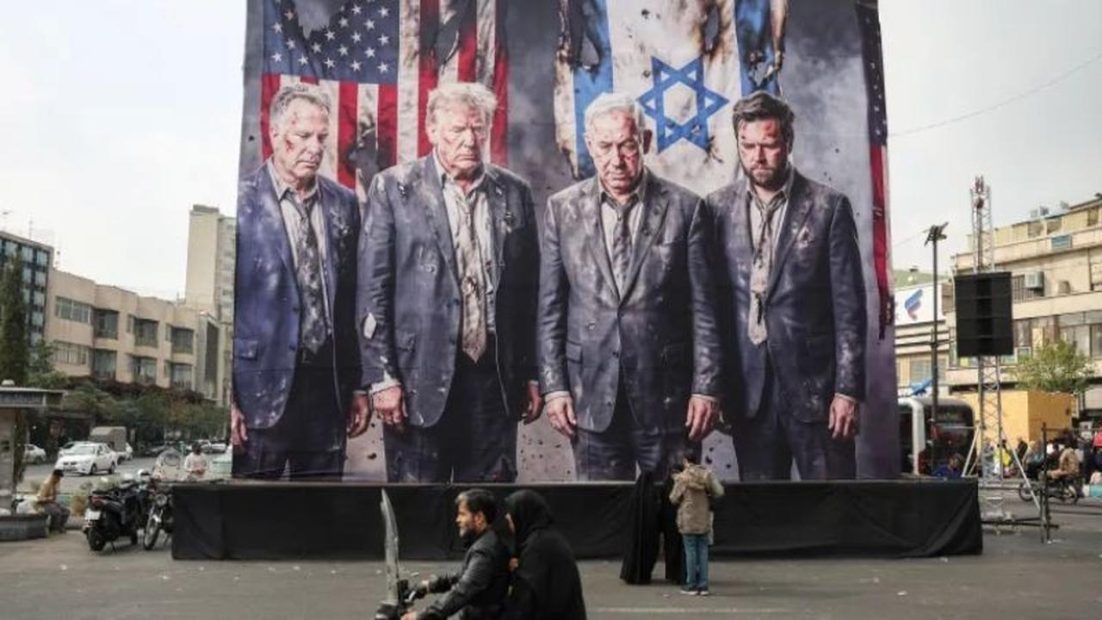
US President Donald Trump has removed Vice President JD Vance from ongoing discussions and diplomatic efforts with Iran, directing him to focus on domestic politics and investigations into alleged Democratic corruption. Analysts believe the sudden move by Washington has increased the risk of renewed military confrontation between Tehran and Washington.
In a post on his social media platform Truth Social last Thursday, Mr. Trump said reaching an agreement with Iran was no longer a priority for his administration. Vance is believed to have been reassigned to domestic issues to strengthen the political fight against Democrats following the ruling Republican Party’s heavy defeat in the midterm elections.
Since the joint surprise US-Israeli attack on Iran on February 28, Tehran had viewed Mr. Vance as a relatively moderate and pragmatic figure within the Mr. Trump administration. Given the rising economic costs of the war and growing anti-war sentiment among the American public, Vance had favoured a negotiated solution.
In June, with assistance from Mr. Trump’s envoys Jared Kushner and Steve Witkoff, Mr. Vance also reached a memorandum of understanding with Iran. The agreement temporarily halted the war and restored normal maritime traffic through the Strait of Hormuz. However, the understanding later collapsed.
Nasser Hadian, a professor of international relations at the University of Tehran, believes Mr. Trump’s decision to remove Mr. Vance sends a clear message to Iran that negotiations are no longer important to Washington. The decision could also be welcomed by Israel. Since Mr. Vance blamed the war for the Republicans’ defeat in the midterm elections, Israel has reportedly been pressuring Mr. Trump to launch fresh attacks on Iran.
Meanwhile, US Secretary of State Marco Rubio has described Iran’s conditions for ending the war as ‘unrealistic’. He supports putting Tehran under pressure through strict economic measures and sanctions. Defence Secretary Pete Hegseth and US Central Command (CENTCOM) chief Brad Cooper are also reportedly in favour of launching new military operations.
In late October, amid efforts by regional mediators, Vance sent a letter to Iran’s security chief, Mohsen Rezaei. Although Mr. Rezaei initially described the letter’s wording as positive, he dismissed reports of a direct meeting last week as ‘fake’. In a social media post, he commented that the United States had lost both the war and the election.
Although communication between the two sides continues through mediators, analysts see little possibility of an early resolution. Tehran has demanded seven specific conditions and a clear sequence of concessions to end the war, but Washington has been unwilling to accept them.
Mohammad Saleh Sedghian, director of the Arab Centre for Iranian Studies, said Tehran deeply distrusts Washington and questions whether Mr. Trump would honour any agreement reached between the two sides. He warned that a prolonged situation of ‘neither war nor negotiations’ under an ongoing blockade could create a severe economic crisis for ordinary Iranians.
Meanwhile, Iran’s reformist daily Shargh believes Mr. Vance’s removal could further escalate the conflict. However, the conservative newspaper Farhikhtegan argues that all US strategies, whether diplomatic, military or economic, are ultimately aimed at forcing Iran to surrender
Amid the diplomatic deadlock, tensions have reached a critical level in the strategically important Strait of Hormuz. On Friday and Saturday, Iran’s Islamic Revolutionary Guard Corps (IRGC) and regular military separately reported that several vessels had come under mine explosions and missile attacks for using unauthorised routes.
The United Kingdom Maritime Trade Operations (UKMTO) reported eight attacks in and around the strait over the past week. Maritime traffic through the waterway has fallen by around 65 per cent compared with pre-war levels.
Professor Hadian warned that Iran would not remain silent if the blockade by sea, land and air continued for an extended period. He cautioned that Tehran could retaliate by targeting US warships or military bases, potentially pushing the region towards a major war
Source: Al Jazeera