Slum dwellers and street children should be integrated into mainstream society

Moral and ethical standards, along with social and family values, are declining rapidly in our society. Intolerance and criminal tendencies are increasing, while the traditional values and social bonds essential for raising children as responsible citizens are weakening.
Alongside mainstream society, a parallel society of the poor has developed, most of whom live in slums. The mainstream often ignores or looks down on them, although problems emerging from slum communities frequently affect wider society. Many people involved in crime, muscle power and teenage gangs come from these disadvantaged communities. Most slum residents are extremely poor people who have moved to cities after losing their homes to river erosion or in search of work. They are mainly day labourers, rickshaw pullers, garment workers and domestic workers. Since their parents spend most of the day outside working, they cannot properly supervise their children. Many children consequently become exposed to crime and drugs.
A report published in Daily Inqilab yesterday said a large number of slum dwellers and street children remain outside the birth registration system. A 2025 Caritas survey found that 58.2 percent of children growing up on the streets do not have birth certificates. As a result, they are deprived of government services, including education, healthcare and social security. The survey also found that 51.6 percent of street children remain outside education.
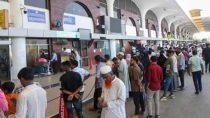
Drug addiction is another serious problem. The Daily Star reported yesterday that the number of drug addicts in Bangladesh is now around 8.2 million, with much of the supply coming through smuggling. Drug addiction is found even among street children living on pavements. Many street children collect paper and plastic materials from roads while carrying sacks on their shoulders. Some also inhale toxic adhesive fumes through polythene bags. They call this drug “Dandy”. Such addiction is common among street children, including girls and women. A Daily Star report described a 20-year-old pregnant woman near a metro rail station who said she had been using the drug since she was eight. Although she knew it could harm her unborn child, she continued taking it.
The growing drug addiction among slum dwellers and street children has become a serious threat to social order and national security. Those involved in crime can be used for murder, assault, robbery and other violent activities. Many lack birth registration or national identity cards, making identification difficult for law enforcement agencies. Criminal godfathers can therefore easily exploit them. There are also concerns about their vulnerability to extremism and militancy. The United Nations Development Programme and other international and domestic research organisations have warned that disadvantaged young people face such risks. Poverty, socioeconomic insecurity, social inequality, resentment, lack of education and awareness, and links with the criminal underworld are among the major contributing factors.
Children growing up in slums and on pavements face an uncertain future. Their parents often have to work from morning until night to survive, leaving little time to guide and care for them. Many therefore become involved with drugs and crime. Yet these children are an inseparable part of our society. The state and society have a responsibility to ensure that they can grow up safely and with dignity. Providing food, education, healthcare and housing for disadvantaged citizens is a constitutional responsibility of the state. Treating all citizens equally must mean ensuring that these neglected communities also receive adequate public services.
The government must take immediate steps to register children who remain outside the birth registration system and bring them into the mainstream. They must be provided with education, healthcare, social security and other civic facilities. Leaving such a large section of society behind will make it impossible to ensure sustainable development, social stability and lasting peace in the country.