
Ulema Fume Over Appointment of ‘La-Madhhabi’ Lincoln as State Minister for Religious Affairs
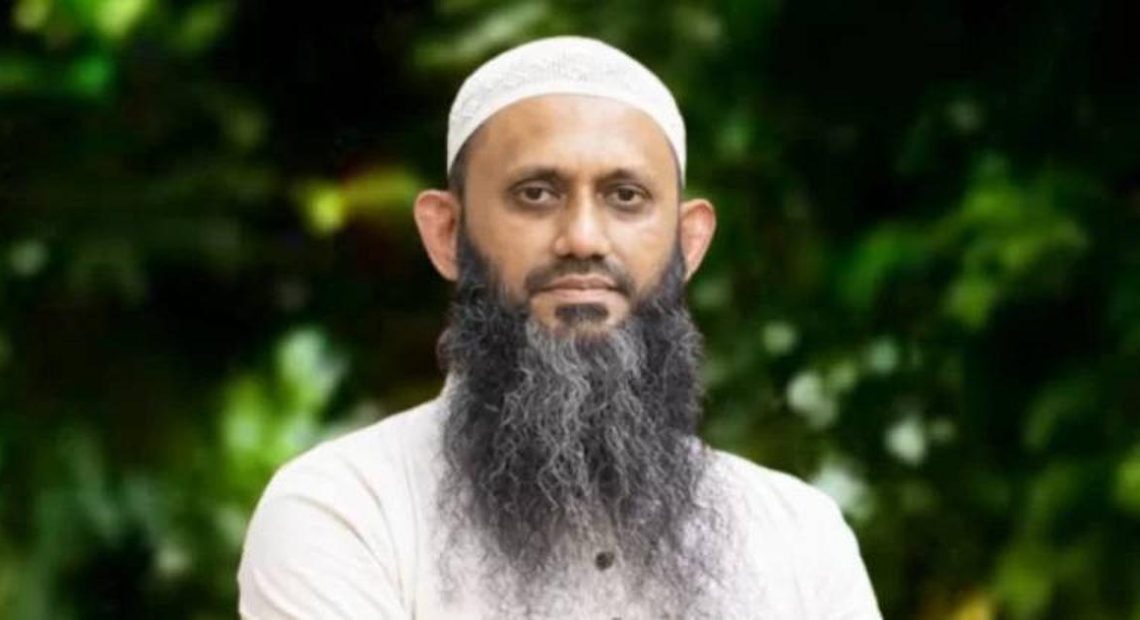
Ulema and religious-minded people said they cannot accept a La-Madhhabi as deputy minister. They demanded that the government and Mr. Lincoln immediately clarify their positions and called for a qualified Hanafi scholar to be appointed to the post. The demands were raised at a national convention of ulema and mashayekh held Tuesday at the Diploma Engineers Institution auditorium in Kakrail, Dhaka. The convention was organized by the Iman-Aqeedah Preservation Committee to protect the beliefs of Ahlus Sunnah wal Jamaat, create public awareness, ban Hizb ut-Tawhid and repeal the transgender-friendly labour law passed by Parliament.
Top ulema expressed strong anger over Mr. Lincoln’s appointment and recent political activities. They warned the government to remove him before the ulema take to the streets and said they would not accept a La-Madhhabi as deputy minister. Some speakers also called on Mr. Lincoln to publish a newspaper advertisement clarifying that he is not a La-Madhhabi. The convention was presided over by Maulana Abdul Awal, Naib-e-Ameer of Hefazat-e-Islam Bangladesh and Ameer of Dawatul Ehsan Bangladesh, while Mufti Sultan Mahiyuddin moderated the event. Maulana Ilyas Gumman, director of Pakistan’s Markaz Ahlus Sunnah wal Jamaat, attended as an invited guest.
Among others, Jamiat Ulema-e-Islam Bangladesh Senior Vice-President Allama Abdur Rob Yousufi, Hefazat-e-Islam Naib-e-Ameer Allama Abdul Hamid Pir Saheb Madhupur, Secretary General Allama Sajidur Rahman, Senior Joint Secretary General Maulana Junayed Al Habib and Islami Andolan Bangladesh Senior Naib-e-Ameer Mufti Syed Muhammad Faizul Karim addressed the convention. Maulana Abdur Rob Yousufi criticized the government’s policies toward Qawmi madrasa scholars and questioned Mr. Lincoln’s appointment.
“Previously, there was never a full minister in the Ministry of Religious Affairs; there was a deputy minister. This time, despite having a full minister, why was another deputy minister needed? And if one had to be appointed, why Mr. Lincoln? What does that mean? We cannot accept this in any way,” he said. He also criticized Mr. Lincoln’s visits to madrasas and markazes and the presentation of bouquets to him, warning that such gestures could increase his public acceptability.
Allama Abdul Hamid strongly demanded Mr. Lincoln’s removal and the appointment of a qualified Hanafi scholar. He also demanded the repeal of the transgender-friendly labour law and a ban on Hizb ut-Tawhid. Criticizing former Chief Adviser Dr Muhammad Yunus, Madhupur Pir Saheb said, “Yunus has left everything devastated within a short period. Yunus came to power and left the country in ruins.” He also criticized Jamaat-e-Islami and its founder Abul A’la Maududi. “The Companions of the Prophet (S.) are the standard of truth. Those who do not accept the Companions are enemies of Islam, hypocrites and frauds,” he said.
Claiming that 90 percent of the country’s people follow the Hanafi school, he said appointing someone outside the Hanafi school to the Ministry of Religious Affairs was creating confusion and unrest. He urged Mr. Lincoln to publicly clarify his creed and position. Allama Sajidur Rahman described Hizb ut-Tawhid as a “Kufri ideology” and a threat to Islam and the country and demanded its immediate ban. He also urged the government not to take religious decisions without the opinion of the majority of the country’s ulema/ Mufti Syed Muhammad Faizul Karim also demanded a ban on Hizb ut-Tawhid and criticized the government over rising gas and electricity prices. Maulana Junayed Al Habib said, “Our movement is to preserve truth and righteousness. If anyone encourages falsehood, we cannot remain silent and sit at home.”
In his presidential address, Maulana Abdul Awal called for efforts to prevent the spread of what he described as false sects. The convention also discussed the ideology of Jamaat-e-Islami founder Syed Abul A’la Maududi. Qawmi-oriented scholars and political leaders called for vigilance against what they described as Jamaat’s “infiltration” into the Qawmi sphere. They said there could be no compromise on the beliefs of Ahlus Sunnah wal Jamaat and called on Qawmi-oriented parties to remain united. The speakers also said Islamist parties should not form any alliance under Jamaat-e-Islami’s leadership.