BSF’s Border Killings Continue, While Drug Traffickers Operate Unchecked
- Border killings continue
Sakhawat Hossain
No one is being killed in BSF firing in the areas along the Bangladesh-India border through which yaba and Phensedyl are being brought in and taken out. Likewise, no one is being killed in shootings while yaba is being brought in from or taken out to Myanmar. Bangladeshis are being killed along those very stretches of the Bangladesh-India border through which cattle used to be brought in. Although cattle smuggling has largely stopped, the Indian Border Security Force continues to carry out border killings. Even under the current government, Bangladeshis are losing their lives in border shootings every month.
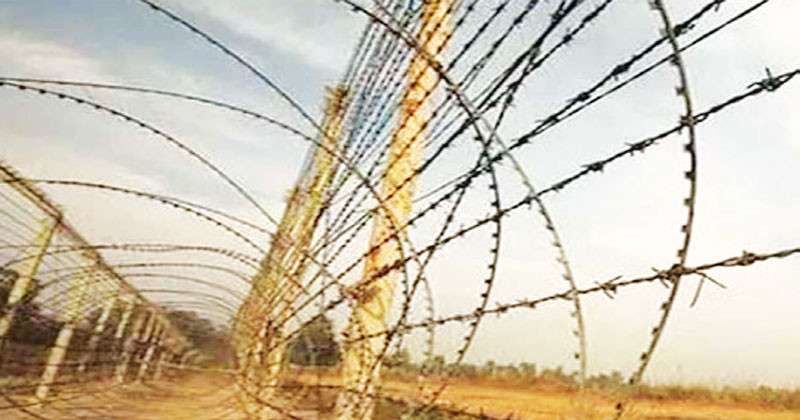
Although India has repeatedly pledged to stop the use of lethal weapons at the border and bring killings down to zero, there has been no reflection of this commitment in reality. Fatalities caused by BSF firing continue along the Bangladesh-India border. Human rights activists say Bangladesh shares approximately 4,096.7 kilometres of international border or land boundary with India. Even if there are allegations of illegal entry or border crimes, the use of lethal force to address them can in no way become a norm. Although unarmed people are losing their lives in BSF firing at the border, there are no reports of people involved in the drug trade, including yaba, being killed. Drug trafficking is largely carried out under the shelter of the BSF.
Military experts say that because of the subservient foreign policy of the previous fascist government and the lack of a strong position on “border violence,” the killing of Bangladeshis had become a routine occurrence despite the existence of separate laws concerning the border. The problem cannot be resolved without strong measures from the Bangladesh government and responsible conduct by India. Alongside increasing surveillance and intelligence capabilities at the border, the BGB must take strict measures against the use of lethal weapons by the BSF. Certainly, every killing at the border represents a failure of the Bangladeshi state and irresponsibility on the part of the neighbouring state.
This is not merely a humanitarian crisis; it is certainly a political conflict. Military expert and crime specialist Brigadier General (retd.) Mr. Mostafa Kamal told Inqilab that the way the Indian Border Security Force, BSF, is killing unarmed Bangladeshis at the border is in no way acceptable. Such killings are also a serious violation of international law. The government should, together with the general people of the country, take strict measures to prevent border killings and push-ins. The current government should take swift and strict action on the issue, keeping national security in mind. At the same time, the BGB needs to play a more active role at the border.
According to BGB sources, from January to July this year, seven people were killed in shootings in border areas and another three died after being subjected to torture. At least 10 people were injured. The death of Tara Mia in August has made the list even longer. On average, one Bangladeshi is being killed every month by the Indian Border Security Force. Domestic and international human rights organisations have long expressed concern over these deaths. Family members of the victims have also demanded that if anyone violates border laws, action should be taken against them under the existing laws; why should they be shot or tortured to death? Most recently, on August 8, a Bangladeshi youth named Tara Mia, 20, was killed in BSF firing at the Maguruli border in Prithimpasha Union of Kulaura, Moulvibazar. On August 10, his body was handed over to his relatives in the presence of representatives of the two countries at the Chatlapur Immigration Checkpost area. Tara Mia was the son of Abdul Malek of the Murai Chhara slum area in Karmadha Union. Earlier, on June 12, Mujib Ali, 20, was killed in BSF firing at the Dattagram border in Sharifpur Union of the same upazila. On May 14, a youth named Khademul Haque, 25, was killed at the Amjhol border in Hatibandha, Lalmonirhat, and on May 8, two Bangladeshis were killed in BSF firing at the Pathariyadwar border in Kasba upazila of Brahmanbaria. Most recently, on August 17, the Border Guard Bangladesh (BGB) and the Indian Border Security Force (BSF) held a face-to-face meeting at the Bilonia zero point in Feni to bring push-ins, drug smuggling and border killings down to zero.
After the meeting, BGB Feni Battalion Commander Lieutenant Colonel Mr. M.M. Zillur Rahman said the meeting was held as part of the regular schedule. The two sides discussed various border-related issues and necessary cooperation. The issue of stopping push-ins was also raised with them. He said they had responded positively. Besides, a commander-level meeting between the BGB and BSF was held on July 29 at the Nilphamari border. At the meeting, the Border Guard Bangladesh (BGB) urged the Indian Border Security Force (BSF) not to carry out any kind of push-in at the border and to refrain from opening fire on innocent and unarmed people. At the same time, emphasis was placed on strengthening joint initiatives by the two forces to prevent all kinds of smuggling, including drugs. Meanwhile, Home Minister Mr. Salahuddin Ahmed said in the National Parliament on June 17 that the BSF had pledged to use “non-lethal” weapons instead of lethal ones. The home minister provided this information in response to starred and written questions from several members of parliament on the ninth day of the second session (budget) of the 13th National Parliament.