Is India’s Ministry of External Affairs Faction Sabotaging Diplomatic Ties With Bangladesh?
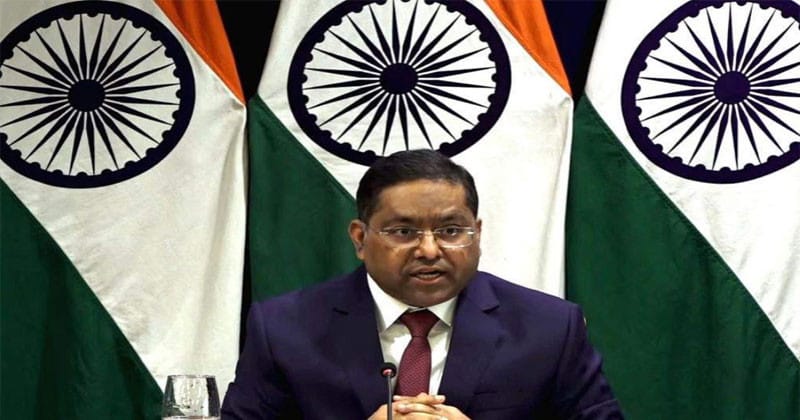
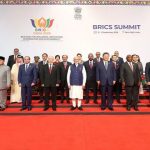
According to recent reports, initiatives to restore diplomatic relations between Dhaka and New Delhi have encountered significant obstacles due to opposition from an influential faction inside India’s Ministry of External Affairs (MEA). PM Narendra Modi’s selection of non-IFS politician Mr. Dinesh Trivedi as High Commissioner to Bangladesh, disregarding traditional career diplomats, is said to be the source of the conflict. The MEA is alleged to have planned the diplomatic visit’s failure as soon as the schedule was published, even though Mr. Trivedi was successful in bridging differences and convincing Bangladeshi PM Tarique Rahman to obtain preliminary visit dates to India. When former Bangladeshi leader Ms. Sheikh Hasina had the privilege of having a crucial virtual news conference at the Foreign Correspondents Club in New Delhi, tensions increased even more. This was in sharp contrast to the MEA’s cancelation of her planned press briefing at the Delhi News Club the year before. As a result, it is now very unlikely that PM Tarique Rahman would attend the next BRICS conference in New Delhi, according to diplomatic experts.
In addition to these bilateral problems, law enforcement and administrative accountability have been major issues in India’s domestic political scene. Following the Delhi Police’s harsh response to student protests at Jantar Mantar, which included controversial methods like the deployment of pellet guns, the Ministry of Home Affairs came under intense public and opposition criticism. The national government gave Home Secretary Mr. Govind Mohan and Cabinet Secretary Dr. T. V. Somanathan a vital one-year extension on their service terms to sustain the administration amid growing political consequences. At the same time, a notice to vacate Delhi’s vintage Gymkhana Club sparked cultural discussions inside the ruling Bharatiya Janata Party, dividing lawmakers and bureaucrats over the future of elite social organizations.
The powerful Tata Trusts’ transfer dynamics prompted heated public debates on trustee qualifications, traditional Parsi procedures, and identity preservation in the business sector. Under strict community rules, investigation of Mr. Noel Tata’s origins and family history first surfaced, leading to official explanations on the correct observance of basic initiation rituals like the Navjote ceremony before a marriage. These internal business changes came at the same time as broader societal discussions on legacy preservation in traditional community structures and elite Indian institutions. Managing cross-border relations and internal political stability becomes increasingly difficult for policymakers as both domestic governing bodies and foreign diplomatic channels negotiate these competing demands.