Drilling Of 150 Wells And Boosting LNG Capacity To Tackle Gas And Electricity Crisis
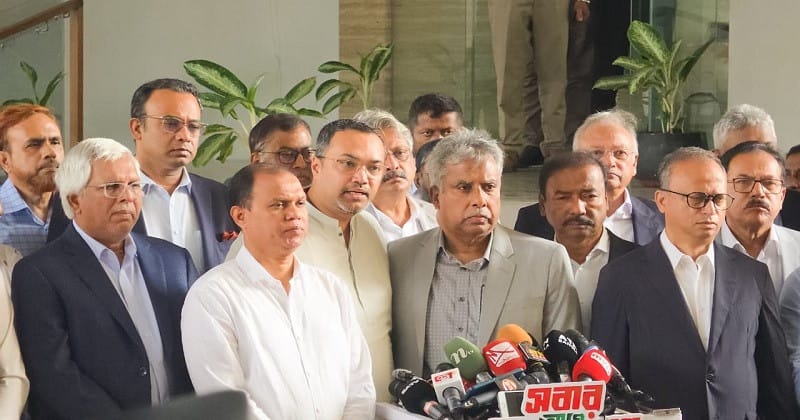
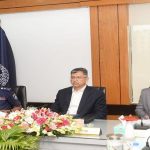
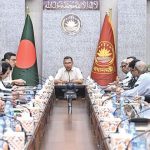
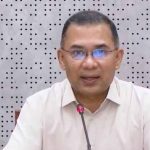
To address the ongoing gas and electricity crisis, the government is aggressively pursuing comprehensive short-, medium-, and long-term strategic plans to secure the nation’s energy future. Mr. Mahdi Amin, spokesperson for the Prime Minister’s Office and Adviser to the PM, outlined these initiatives while briefing journalists on Monday at the Cabinet Division of the Bangladesh Secretariat. The briefing followed a high-level meeting titled ‘Challenges and Future Roadmap of Bangladesh’s Power and Energy Sector’ held between PM Tarique Rahman and leaders representing 21 top trade organizations and apex bodies. The discussions centered heavily on resolving industrial energy demands, overcoming systemic power shortages, and establishing robust future energy policies.
Detailing the infrastructure upgrades in the energy sector, Mr. Mahdi Amin noted that Bangladesh has historically suffered from an over-reliance on just two floating storage and regasification units (FSRUs), a vulnerability exposed when one unit faced extended downtime due to technical glitches. To rectify this structural flaw, alongside repairing the damaged unit, the administration has adopted plans to install a third FSRU by 2028 if feasible, with a long-term roadmap targeting a total of five operational FSRUs. Furthermore, the strategy reaches beyond regasification vessels to include the construction of permanent land-based LNG terminals and the comprehensive strengthening of the national gas pipeline network to ensure uninterrupted fuel distribution.
Domestic exploration forms a cornerstone of the medium-term strategy, with approximately 150 new gas wells currently being drilled across the country. Mr. Mahdi Amin confirmed that upon the successful completion of this initial phase, a second phase involving an additional 150 wells will immediately commence. Regarding power generation, the government intends to establish a sustainable balance among oil-, gas-, and coal-based systems while prioritizing solar power and renewable energy sources for future demands. Diversifying the energy matrix and expanding photovoltaic capacity will serve as the fundamental pillars for long-term national energy security, insulating industrial production from external fuel shocks.
Addressing the economic stakeholders, the PM’s spokesperson acknowledged that the country’s industrialists and business leaders are driving economic progress through their resilience and enterprise. PM Tarique Rahman assured these trade leaders of absolute policy support from the administration, emphasizing that sustainable national prosperity can only be achieved through a complementary partnership between the public and private sectors. Mr. Mahdi Amin noted that while decades of accumulated corruption, misrule, and administrative crises cannot be resolved overnight, the government remains strictly accountable and sincere in executing a visionary roadmap for the power and energy sectors.
The crucial stakeholder meeting brought together key government figures, including Minister for Commerce, Industry, and Textiles and Jute Mr. Khandaker Abdul Muktadir; Adviser for Finance and Planning Dr. Rashed Al Mahmud Titumir; State Minister for Power, Energy and Mineral Resources Mr. Anindya Islam Amit; Invest Bangladesh Authority Executive Chairman Mr. Chowdhury Ashik Mahmud Bin Harun; Bangladesh Bank Governor Md. Mostakur Rahman; and PM’s Principal Secretary Mr. A B M Abdus Sattar. Top executives from premier trade bodies, such as the FBCCI, ICCB, MCCI, DCCI, BGMEA, BKMEA, BTMA, and BAIA, shared their operational challenges during the session. Concluding the briefing, Mr. Mahdi Amin stated that the government views these crises as catalysts for structural reform and has resolved to institutionalize regular dialogues with business organizations to safeguard industrial growth.