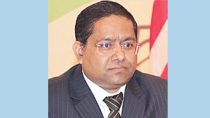
Fuel price hike will make the government unpopular and worsen the lives of people on low and fixed incomes: Dr Debapriya Bhattacharya; higher production costs in industry and agriculture will adversely affect the economy: Prof Dr Abu Ahmed; I would have protested if fuel prices had been increased during Sheikh Hasina’s tenure: Dr Zahed Ur Rahman; the fuel price hike will make survival extremely difficult for people: M Shamsul Alam; management efficiency could have been improved before raising fuel prices: Mia Golam Parwar; the BNP government has imposed an unbearable burden on the people: Nahid Islam.
Reckless Decision Leaves People Struggling to Survive

Although the Union Parishad election schedule is yet to be announced, campaigning has begun in village markets and bazaars. Jamaat candidates are going door to door, while BNP and other prospective candidates are campaigning in markets.
A BNP chairman candidate in a union of Pirgachha upazila in Rangpur faced embarrassment while seeking votes. A farmer asked, “Vote for the BNP again?” He complained that fertiliser dealers were not supplying fertiliser and that the Tk20 increase in irrigation fuel prices had made farmers’ lives miserable. “And still vote for the BNP?” he asked.
The farmer’s complaint reflects growing public concern over the fuel price hike. The government has raised fuel prices three times in seven months, even as global fuel prices have been falling. State Minister for Local Government Mr Shahe Alam said the government wants Union Parishad elections by December. As grassroots BNP leaders prepare for the polls, the Jamaat-led 11-party alliance has already called the government anti-people and accused it of deceiving the public.
Who decided to increase fuel prices while putting farmers, workers and other sections of society under pressure? Why raise prices amid a troubled economy, rising unemployment and a lack of foreign investment?
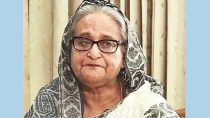
At a 22 September press conference, Prime Minister’s Information Adviser Dr Zahed Ur Rahman said he would have protested if fuel prices had been increased during Sheikh Hasina’s tenure and would have demanded her resignation. However, he said such a stance was inappropriate now because the present government is elected and “our government”. He acknowledged that people were suffering and would continue to suffer.
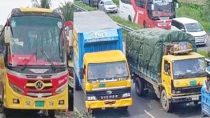
The Institute for Planning and Development (IPD) has called the decision “short-sighted”. Jamaat and NCP have announced plans to take to the streets, while bus and launch owners have raised fares. Truck owners also increased transport charges shortly after the announcement.
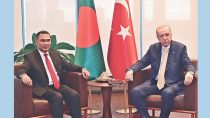
The economy already lacks momentum. Foreign investment remains weak, unemployment is rising, law and order has deteriorated, security is uncertain, food prices are high, and gas, electricity and water services remain poor. Amid growing dissatisfaction, publicity has highlighted Prime Minister Mr Tarique Rahman’s simple lifestyle, including his Tk150 lunch and collecting food himself from a hotel buffet in Türkiye while travelling to the United States. Whether such publicity can improve his image remains a question.
Experts and economists have criticised the overnight decision, saying future adjustments should follow consultation with stakeholders and experts, along with social and economic impact assessments. During abnormal international-market conditions, duties, taxes and VAT on fuel imports could be temporarily adjusted. Instead of blanket subsidies, digitally verifiable targeted assistance could support agricultural irrigation, public transport, goods transport and essential services.
CPD Distinguished Fellow Dr Debapriya Bhattacharya expressed concern over the Tk20 increase, saying it would reduce private investment because of instability and rising costs, hampering long-term economic growth and worsening the lives of people on low and fixed incomes.
Prof Dr Abu Ahmed, a noted economist and former teacher of Dhaka University’s Economics Department, said the indirect impact would raise almost all prices, as businesses and transport operators could use the hike to impose additional costs. Higher fuel prices would increase industrial and agricultural production costs and harm the economy. Instead of raising prices, he said, corruption, irregularities and waste should be stopped, while greater private investment could help reduce fuel shortages and government control over prices.
Nearly two-thirds of fuel oil used in the economy is diesel, which is central to transport, agriculture and goods supply. The increase has sharply raised transport fares, putting lower- and middle-income people under severe pressure amid high inflation.
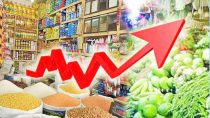
The Tk20-per-litre increase is affecting multiple sectors. Higher transport costs are raising food and consumer prices and reducing purchasing power. More expensive diesel-powered irrigation will hurt agriculture, while transporting fertiliser and farm produce will cost more, raising production and market prices. Industrial production and generator costs will also increase, affecting output and making garments and heavy industries less competitive internationally. Day labourers, transport workers and low-income people face additional financial pressure, while rising production costs may force businesses to reduce recruitment or lay off workers.
CAB Energy Adviser M Shamsul Alam said the government had already raised electricity prices and might raise gas prices next. “People’s survival will become extremely difficult,” he said, questioning how taxes and duties could be collected if people lacked purchasing power.
IPD said the decision was taken without discussion, public hearings, public consultation, effective stakeholder engagement or a publicly disclosed social and economic impact assessment. Calling the Tk20 increase in diesel, petrol, octane and kerosene prices anti-public-interest, short-sighted and harmful to economic stability, it noted that prices had also risen by Tk15–20 in April. Thus, fuel prices have increased three times within five months, putting economic and social development plans under pressure.
Jamaat Secretary General Mia Golam Parwar said repeated increases were burdening people already struggling with uncontrolled commodity prices. He called for spending cuts, an end to waste and irregularities, improved fuel management, reduced unnecessary expenditure and stricter market monitoring before any further increase.
NCP Convener Nahid Islam said the country’s 180 million people were again paying for government inefficiency and mismanagement. Instead of finding effective alternatives, he said, the BNP government had imposed an unbearable burden on the people. This is the third increase within months of taking office. If thousands of crores of taka in BPC profits can be spent elsewhere, he asked why other spending could not be cut and fuel subsidies maintained during the crisis, and why ordinary people’s pockets are repeatedly made the government’s easiest target.