Airport Construction in Rampal Poses Threat to the Sundarbans
Abu Hena Mukti
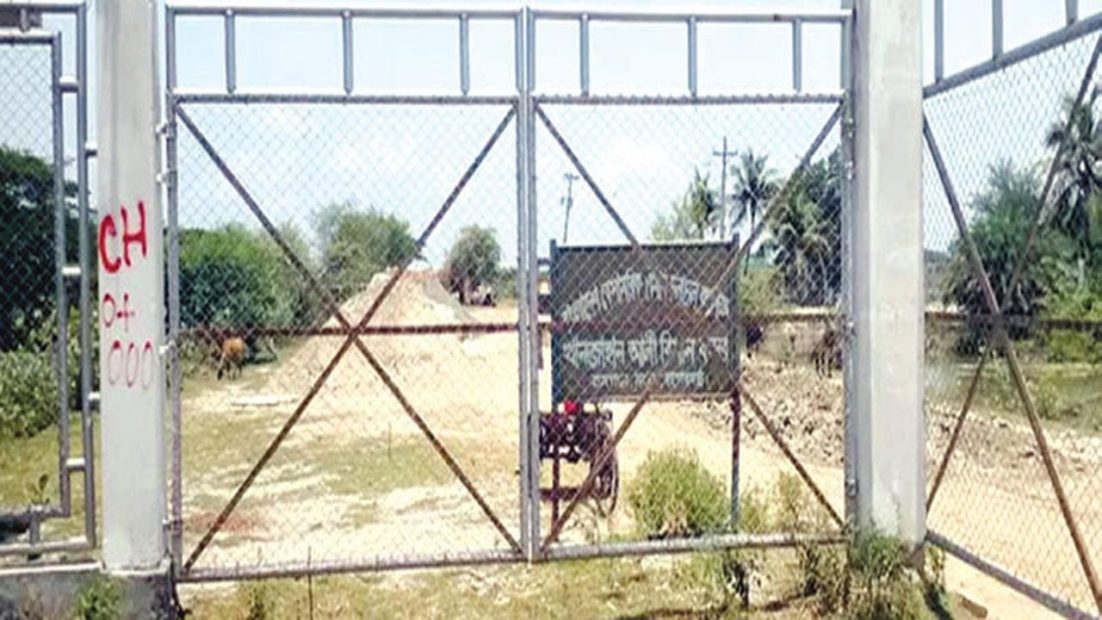
The proposed Khan Jahan Ali Airport project in Rampal, Bagerhat, has emerged as a threat to the biodiversity of the Sundarbans. The project could become a thorn in the side of the Sundarbans, a World Heritage Site known as a protective shield for the southwestern region. Environmentalists and experts concerned have expressed apprehension over its potential adverse impact on the fragile ecosystem and biodiversity because of the airport’s proximity to the mangrove forest.
Although the government says the airport will accelerate the development of Mongla Port, the tourism industry and the economy of the southern region, its environmental risks are considered alarming because of its proximity to the World Heritage Sundarbans. The Sundarbans are already under threat from the Rampal coal-fired power plant. Against this backdrop, the airport project could further compound the danger.
According to sources, the Sundarbans are a matter of national pride. They are no longer merely a resource of Bangladesh but a World Heritage Site and the world’s largest mangrove forest. Besides meeting the demand for forest resources, the Sundarbans support the lives and livelihoods of hundreds of thousands of people. Its natural ecosystem helps maintain environmental balance. Moreover, stretching across a vast area along the Bay of Bengal, the forest protects the country from many storms and natural disasters, particularly shielding coastal communities like a mother.
Environmentalists say the intense noise generated during aircraft takeoff and landing could severely disrupt the normal lives of sensitive wildlife in the Sundarbans, particularly Royal Bengal tigers, deer and various bird species. The intense noise could force wildlife to leave their familiar habitats, negatively affecting their breeding patterns.
Once the airport becomes operational, access to the Sundarbans for tourists will become easier and faster. However, excessive and uncontrolled tourism could increase the risks of plastic pollution, inadequate waste management and overall environmental degradation. As tourist numbers rise, the movement of shallow-engine boats and other motorised vessels through the rivers and canals inside the Sundarbans could also increase, harming the aquatic ecosystem.
Moreover, the airport could encourage the development of new industries, hotels and resorts in areas around Mongla and Rampal. As the area falls within the ecologically critical zone of the Sundarbans, unplanned urbanisation could place additional pressure on the forest.
Aircraft operations could also increase local emissions of carbon and other greenhouse gases, further harming the Sundarbans, which are already vulnerable to climate change. The Sundarbans are home to more than 290 species of birds, including large numbers of migratory birds that arrive during winter. Once the airport becomes operational, aircraft movements and intense nighttime lighting could disrupt the birds’ natural flight paths. There is also a risk of bird strikes involving aircraft, which could eventually cause birds to avoid the area.
Experts say carbon dioxide, nitrogen oxides, water vapour and soot emitted by the aviation sector directly contribute to climate change, potentially having severe impacts on a highly sensitive World Heritage ecosystem like the Sundarbans.
Rising sea levels and increasing salinity
Global temperatures are rising due to increased greenhouse gas emissions, causing sea levels to rise. The Sundarbans are situated only slightly above sea level. As a result, a significant portion of the forest is at risk of being submerged because of climate-induced sea-level rise, threatening its biodiversity.
Rising sea levels are also allowing saline water to enter freshwater sources inside the forest during high tides. As global warming increases due to aviation and other factors, the problem is expected to intensify. Increased salinity is causing the Sundari trees, one of the Sundarbans’ main attractions, to suffer from dieback disease and die, while the yield of golpata is declining.
Bangladesh Poribesh Andolon (BAPA) Khulna coordinator Md. Babul Howlader told Inqilab that extreme weather and cyclones are becoming more frequent and intense in the Bay of Bengal as atmospheric and sea temperatures rise due to greenhouse gas emissions. Cyclones such as Sidr, Aila, Amphan and Remal have repeatedly struck the region.
Although the Sundarbans protect Bangladesh as a natural barrier, repeated powerful storms have caused extensive damage to the forest’s vegetation and wildlife, including Royal Bengal tigers and spotted deer. “We must ensure that the Khan Jahan Ali Airport does not have an adverse impact on the Sundarbans. If possible, the site should be relocated to an area where the forest will not be affected,” he said.
Professor Enayet Ali Biswas, chairman of the Khulna divisional committee of the Bangladesh Environment Development Society, told Inqilab that if aviation activity or the density of new aviation routes increases in areas close to the Sundarbans, such as proposed Rampal, areas adjacent to Mongla or near Khulna, local levels of nitrogen oxides and ozone could rise.
He said intense aircraft noise could also cause severe psychological and behavioural stress to wildlife, disrupting their normal activities, breeding and movement. When excess carbon dioxide is absorbed by seawater, its acidity increases. The rivers and canals of the Sundarbans are directly connected to the Bay of Bengal. Increased water acidity could severely disrupt the aquatic ecosystem of the Sundarbans, particularly the breeding capacity of fish, crabs and other aquatic animals.
“When the then government planned to construct the Rampal coal-fired power plant, we opposed it solely to protect the Sundarbans. Even today, we are demanding relocation of the airport site to protect the Sundarbans. Our objective is to preserve the world-famous Sundarbans,” he said.
Advocate G. M. Kamruzzaman, president of the district unit of the Bangladesh Environment and Human Rights Implementation Society, said the intense noise generated during aircraft takeoff and landing, including sonic booms and other high-decibel sounds, poses a serious threat to a sensitive and unique ecosystem like the Sundarbans.
“For this reason, environmental organisations have been demanding from the beginning that modern noise-control technologies be used in airport construction and that an Environmental Impact Assessment (EIA) be conducted so that the world’s largest mangrove forest suffers no permanent damage,” he said.
“That is why relocating the airport has now become a demand of the time,” he added.