Armed Group Activities in Rohingya Camps Have Increased Over Time: Home Minister
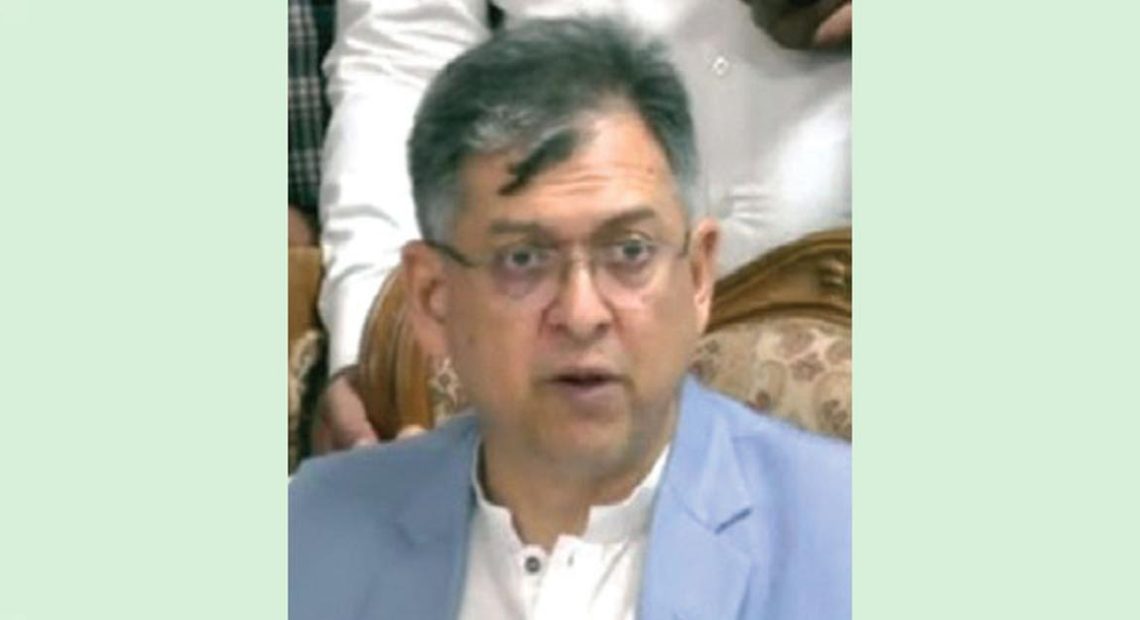
Criminal activities, including the operations of armed groups, have increased in Rohingya camps over time, creating a serious challenge to Bangladesh’s internal security, Home Minister Salahuddin Ahmed said on Sunday.
He also said strong support from the international community and international organisations is needed for a swift and sustainable political solution to the Rohingya crisis. The crisis must not be overshadowed by other global political conflicts or crises and should remain an active priority on the United Nations’ international agenda.
The minister made the remarks as the chief guest at a roundtable discussion at the Bangladesh Institute of International and Strategic Studies (BIISS) auditorium in the capital. The Institute for Global Cooperation Foundation (IGCF) organised the event titled “The Rohingya Crisis: Emerging Challenges and Reframing Responsibilities.”
Salahuddin Ahmed said the international community must work together and pursue effective diplomacy to ensure the rapid, safe and dignified repatriation of Rohingya refugees to their homeland in Myanmar. A lasting and sustainable solution is possible with direct support from leading countries in global politics and the United Nations, he said. International human rights organisations, the UN refugee agency (UNHCR) and all relevant stakeholders should play a more effective role in resolving the crisis.
“Our sole objective is to ensure that around 1.5 million forcibly displaced Myanmar nationals currently taking refuge here (1.2 million according to UNHCR) can return to their country with full dignity and security,” the minister said. He stressed that continued international assistance and the political role of leading countries are crucial.
The minister also highlighted various security challenges arising from Bangladesh’s long-term hosting of the Rohingya population.
He said Bangladesh has provided shelter, food, healthcare and other essential facilities to a large number of displaced Rohingya on humanitarian grounds for nearly nine years. However, over time, criminal activities, arms and drug trafficking, human trafficking, gender-based violence and the activities of armed groups have increased in the camps. These activities pose a serious challenge to Bangladesh’s internal security, he said.
Noting that the lives and environment of local communities near the camps are also at risk, the minister said fencing around the camps and a well-regulated movement system are necessary to control crime and ensure the security of both Rohingya and local residents.
Referring to Bangladesh’s past experience, Salahuddin Ahmed said Rohingya refugees were repatriated to Myanmar through diplomatic initiatives in 1978 and 1992. Drawing on those experiences, the current government is determined to successfully implement repatriation again, he said.
The minister said a National Strategy Formulation Committee on Rohingya Affairs has already been formed to address the crisis. A high-level national committee led by the Home Minister is also active to maintain law and order, manage the border and ensure overall coordination. The government is working through a “whole-of-government” approach involving civil administration, security and defence agencies, he added.
The minister also warned that indefinite humanitarian assistance without a specific and credible repatriation plan could reduce the urgency for a long-term political solution. He said Bangladesh must quickly move beyond emergency relief assistance to a “transitional strategy”, aimed at creating conditions in Myanmar’s Rakhine State suitable for the safe return of the Rohingya.
Mo. Ismail Zabiullah, Prime Minister’s Adviser on Public Administration, spoke as the guest of honour and highlighted the importance of administrative coordination in addressing the Rohingya crisis.
The discussion began with welcome remarks by IGCF Chief Executive Officer Chowdhury Adnan Rahman and was moderated by Professor Dr Bulbul Siddiqi of the Department of Political Science and Sociology at North South University.
Among those who spoke at the event were Ivo Freijsen, UNHCR Representative in Bangladesh; Major General A S M Ridwanur Rahman, Director General of BIISS; Mohammed Mizanur Rahman, Refugee Relief and Repatriation Commissioner (RRRC); and Mohammed Nazmul Abedin, head of the Refugee Cell and joint secretary of the Ministry of Disaster Management and Relief. Representatives of various local and international organisations and educational institutions, researchers and journalists also participated in the discussion.