
Bangladesh Wants New Ganges Water Treaty, Not Renewal:Water Resources Minister
Bangladesh wants a completely new treaty with India on Ganges water sharing. The government does not want to simply renew the existing agreement. Officials want the new treaty to guarantee a fair share of water for Bangladesh. They also want it to include a strong guarantee clause to protect the country’s interests.
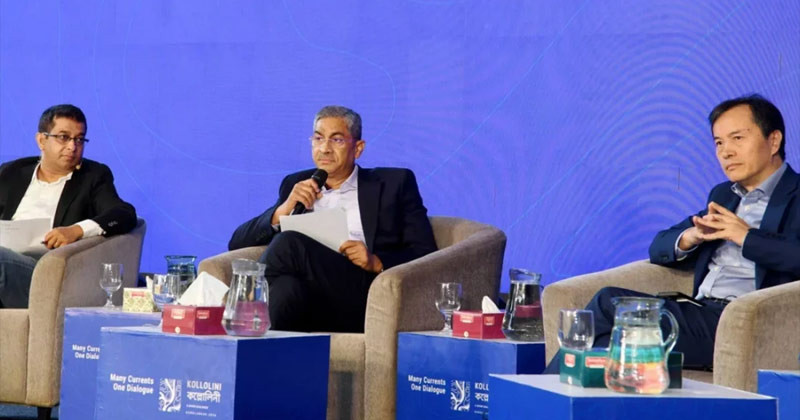
Water Resources Minister Mr. Mohammad Shahiduddin Chowdhury Annie shared this information on Thursday, September 24. He spoke at a river related event held in the capital. He said rivers are one of the key driving forces behind Bangladesh’s economy.
Minister Mr. Chowdhury Annie said the country’s rivers face growing pollution and crisis. He pointed to rapid industrialization, unplanned urbanization, and the effects of climate change as major causes. He stressed the need to identify the real sources of river pollution and take coordinated action to control it.
Speaking about rivers in the capital, he said pollution in the Buriganga River remains a major challenge. He said restoring the river needs more than scattered efforts. He called for coordinated action among all related agencies and stressed the importance of long term planning for river protection and management.
The event also highlighted a troubling picture of wastewater management in Dhaka. Speakers said Dhaka city produces about 3,900 million liters of wastewater every day. Of this, around 1,500 million liters flows directly into various rivers without treatment.
This untreated wastewater is causing serious harm to both the environment and the economy. Speakers said the financial damage reaches billions of dollars each year. They called this an urgent problem that needs attention.
The Ganges water treaty issue is coming up now because the current 30 year agreement is set to expire. Bangladesh and India signed the Ganges Water Treaty on December 12, 1996. Since 1997, it has set the rules for sharing Ganges water flow at the Farakka Point during the dry season, from January 1 to May 31 each year. The treaty is due to expire in December 2026.
The current treaty has a formula for sharing water based on the flow available at Farakka. According to the Bangladesh India Joint Rivers Commission, if the flow at Farakka is 70,000 cusecs or less, both countries receive equal shares. If the flow is between 70,000 and 75,000 cusecs, Bangladesh receives 35,000 cusecs.
If the flow is higher than that, India receives 40,000 cusecs and Bangladesh receives the rest. The treaty also guarantees both countries 35,000 cusecs during three specific 10 day periods between March 11 and May 10.
Bangladesh wants stronger guarantees added to this system in the new treaty. In August, the Water Resources Minister had said Bangladesh remains firm on adding a guarantee clause when the treaty is renegotiated. He also said the country is prepared to go to international forums if needed to protect its water rights.