Bangladesh’s Roads Become Death Traps
Ekhlas Haque
Roads and highways across the country have become death traps. They were never fully safe for ordinary passengers, and the situation has shown little improvement. Road crashes occur almost every day, while many incidents never receive public attention. Children, students, workers, farmers, teachers and professionals are among those killed or injured, with many losing their ability to work or suffering permanent disabilities.
In two major crashes yesterday, 18 people were killed and around 30 injured. In Osmani Nagar, Sylhet, nine people died when two passenger buses collided head-on. In Bogura, seven people were killed when a bus lost control and ran over day labourers and farm workers waiting beside the road. Police and local sources said the Shah Fateh Ali Paribahan bus was travelling from Dhaka to Naogaon when the driver lost control in Erulia. The bus hit an electric pole before crashing into the workers. Three people died at the scene and four more died in hospital, while at least 15 were injured.
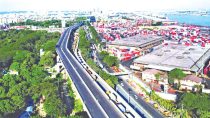
In Sylhet, a Dhaka-bound Bengal Paribahan bus collided with a Unique Paribahan bus travelling from Dhaka to Sylhet. Nine people died at the scene, while the injured were taken to Sylhet MAG Osmani Medical College Hospital. Despite years of mismanagement, road safety has received inadequate attention. Billions of taka are allocated annually for road development, but poor maintenance, delays in construction and weak supervision remain widespread. Many roads are riddled with potholes, while construction and repair projects continue for years. Projects often receive repeated extensions and increased costs without delivering the expected progress.
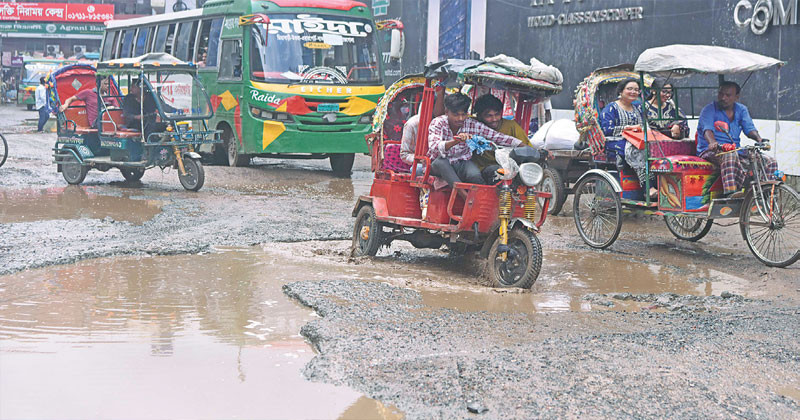
The situation worsens during the monsoon, when rainwater creates large potholes, making roads more dangerous and increasing the risk of crashes. The public transport sector also suffers from serious irregularities. Some operators are accused of prioritising profit over passenger safety, while unauthorised modifications to bus bodies, additional seats, poor-quality structures and inadequate safety equipment increase risks. Experts say speeding, unfit vehicles, weak traffic management, illegal parking, footpath occupation and poor law enforcement are also major causes of accidents and public suffering.
Battery-powered rickshaws have added another layer of disorder, particularly in Dhaka. Many operate without registration, ignore traffic rules, change lanes suddenly and travel against traffic. Hundreds of such rickshaws reportedly travel on the wrong side of the Dhaka-Chattogram Highway between Chittagong Road and Gulistan. Their exact number in Dhaka is unknown, although some estimates put it at 20 lakh or more. Hanif Khokon, general secretary of the Dhaka Autorickshaw Workers Union, said at least 20 lakh battery-powered rickshaws still operate in the capital. He said traffic police have limited control over them, particularly in the afternoon.
Professor Dr Hadiuzzaman of BUET said speeding, inadequate driver training, poor road conditions, missing warning signs and overloading are major safety risks. He also warned that unauthorised changes to bus design, height, weight distribution and braking systems can increase the severity of crashes. Road safety requires stronger enforcement, proper maintenance, effective monitoring and accountability. Without urgent action, the country’s roads and highways will continue to put millions of lives at risk.