BAU Study Finds High Microplastic Levels in Native Koi
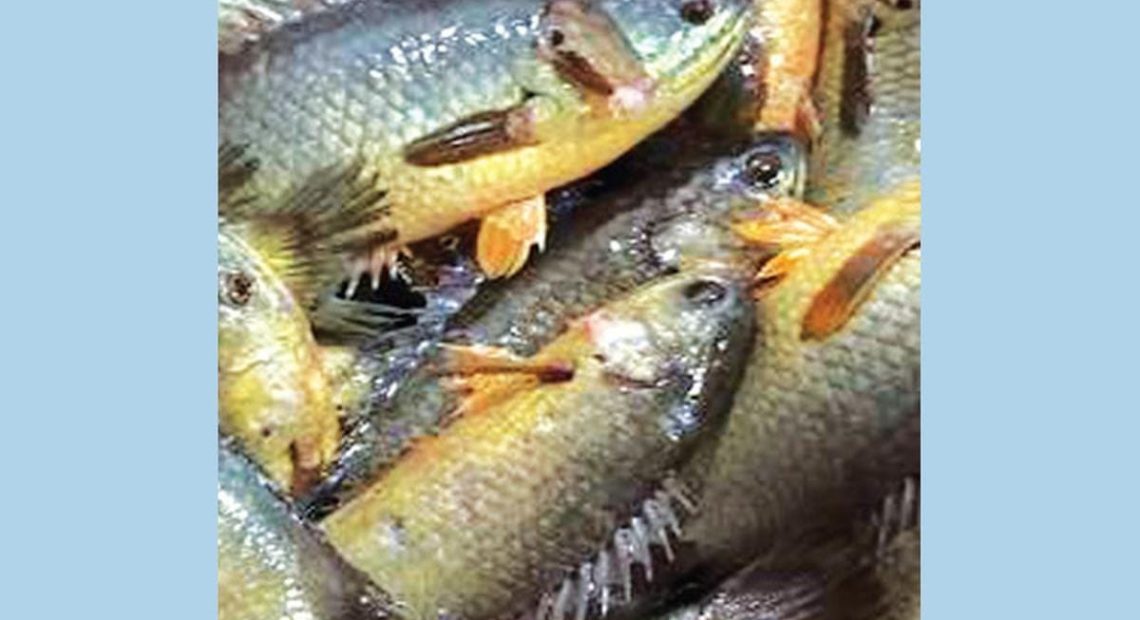
Researchers at Bangladesh Agricultural University (BAU) found that native koi fish contain higher levels of microplastics than four other indigenous freshwater species. Led by Professor Dr. Md. Shahjahan of BAU’s Department of Fisheries Management, the study examined koi, bata, meni, gulsha tengra and punti from Arial Beel.
Koi had the highest concentrations, averaging 1.70–1.90 microplastic particles in the intestines and 1.30–1.40 in the gills. Each koi also contained about one particle in its muscle tissue, compared with 0.50–0.90 particles in the other species. Researchers attributed the higher levels to koi’s omnivorous feeding habits and benthopelagic habitat, which exposes them to contaminated sediments and the water column. Microplastics can enter fish while feeding or breathing and accumulate in muscle tissue.
The study detected 11–31.67 particles per litre of water and 12.33–127.33 particles per kilogram of sediment, with pollution highest during the monsoon. FTIR analysis found that 34–63 percent were microfibres, likely from laundry wastewater, household plastic waste and degraded fishing nets.Professor Shahjahan said there is no clear evidence of immediate health risks but warned that long-term accumulation could cause adverse effects.Researchers analysed 150 fish and samples collected across three seasons using chemical digestion, density separation, filtration and FTIR spectroscopy.