

Global Economic Friction
China Trims US Bond Holdings to 18-Year Low
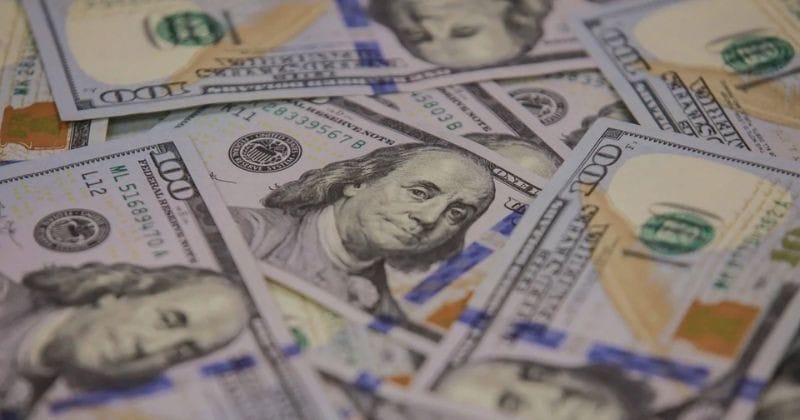
China has reduced its holdings of US Treasury securities to an 18-year low, reaching levels not seen since the 2008 global financial crisis. Data from the US Department of the Treasury shows Beijing is systematically trimming its reserves amid global bond market volatility, expanding national debt in the United States, and shifting interest rates. While Beijing was once the largest foreign holder of US Treasury debt, nations such as Japan and the United Kingdom have recently increased their holdings, contrasting sharply with China’s sustained sell-off strategy.
Economic analysts highlight several strategic motivations driving Beijing’s retreat from American debt instruments. China is actively diversifying its foreign exchange reserves by redirecting capital into gold and alternative international assets to mitigate financial vulnerability. Heightened geopolitical friction, persistent trade disputes with Washington, and the looming risk of potential US sanctions have further accelerated Beijing’s effort to insulate its wealth from dollar-based systems. These strategic shifts reflect an overarching effort to insulate national assets against external geopolitical pressures.
The growing economic rift between the world’s two largest economies is noticeably impacting global equity markets and foreign exchange rates. Financial experts emphasize that China’s declining dependence on US sovereign debt poses a significant, long-term challenge to the absolute dominance of the greenback in international trade. As de-dollarization gains momentum, Beijing’s systematic shift away from the dollar highlights a broader transformation in global financial power dynamics, reshaping how central banks manage reserves and trade balances worldwide.