Controversial Israeli Settlement Bids Threaten Palestinian Survival
The Israeli government has formally issued tenders for the building of 1,234 additional home units in the extremely contentious ‘E1’ settlement sector of the occupied West Bank. Human rights organisations and international monitoring organisations have strongly condemned this decision, which represents around one-third of the 3,401 housing units authorised under the larger growth plan. Human Rights Watch (HRW) and local watchdogs have reported that on the threshold of imminent internal political cycles, the development represents a risky increase in the growth of unlawful settlements, establishing permanent physical buildings on disputed territories.
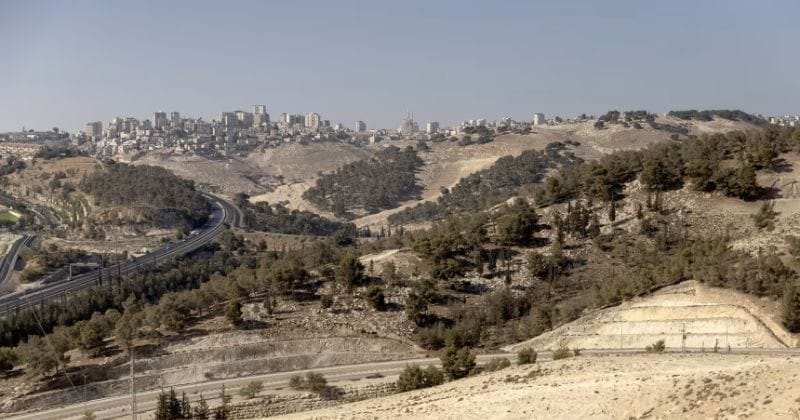
The 12-square-kilometer E1 project, which links the city with the significant Israeli settlement of Ma’ale Adumim, is strategically situated just east of East Jerusalem. By creating this crucial corridor, the West Bank is essentially divided into separate northern and southern regions, cutting off key connections between important Palestinian hubs like Ramallah, Nablus, Bethlehem, and Hebron. In addition, physically shattering the geographic continuity necessary for a sustainable, independent Palestinian state, the expansion immediately puts over eighteen native Bedouin communities-including the well-known community of Khan al-Ahmar—at risk of being forcibly evicted and uprooted.
The United Nations, European Union, and other world leaders have emphasised that the proposal seriously jeopardises the diplomatic framework of a two-state solution, which has sparked intense international opposition. UK Foreign Secretary Ed Miliband vehemently opposed the tendering process, declaring it an ‘unacceptable and destructive step’ and calling for an immediate stop. Simultaneously, HRW has advised businesses not to take part in the bidding process, cautioning that their involvement in infrastructure related to illegal settlements and forced relocation could expose them to legal risks regarding complicity in war crimes and violations of international law.