Cox’s Bazar Turning Waste into Organic Fertilizer, MP Stresses Modern Waste Management
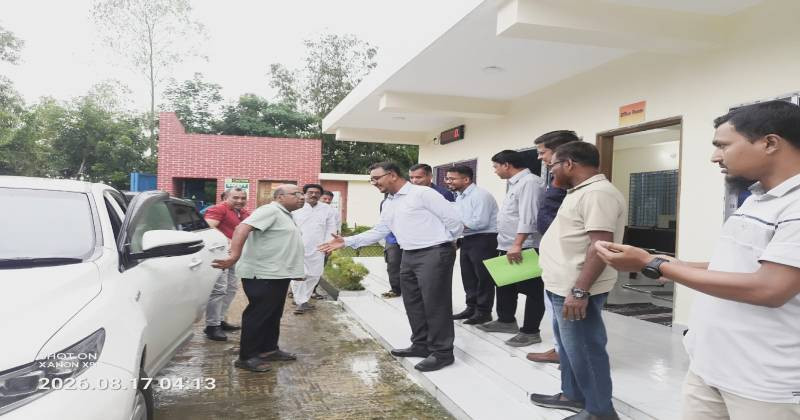
Member of Parliament Mr. Lutfor Rahman Kajol has underscored the need for modern waste management and greater public awareness to build a clean, attractive and livable city.
Speaking after visiting Cox’s Bazar Municipality’s Integrated Waste Processing Hub in South Mithachhari, Ramu, on Monday, Mr. Kajol said cleanliness is essential not only for urban beauty but also for public health, safety and environmental protection.
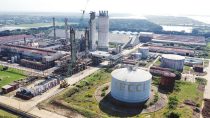
During the visit, he observed activities including plastic recycling, compost production from organic waste and fecal sludge treatment. Praising the municipality’s initiative, he said such projects could encourage other municipalities across the country to adopt modern and citizen-friendly waste management systems.
The MP later planted fruit-bearing, forestry and medicinal tree saplings at the facility.
On the same day, a modern 280-cubic-metre fecal sludge treatment plant, implemented by the Department of Public Health Engineering with Tk 200 million in funding from the Asian Development Bank (ADB), was formally handed over to Cox’s Bazar Municipality. Three specialized waste-management vehicles were also transferred to the municipality.
Authorities say the project is helping transform the traditional perception of waste by converting it into a productive resource.
As one of Bangladesh’s leading tourist destinations, Cox’s Bazar generates large volumes of waste every day. Without proper management, food waste from hotels and restaurants, along with household sewage and septic waste, can pose serious threats to soil, water and marine ecosystems.
Under the integrated waste management project in Ramu, biodegradable waste collected from hotels, motels and other establishments is processed into organic fertilizer. The initiative is being implemented with the involvement of Cox’s Bazar Municipality, the Forest Department and the Bangladesh Climate Change Trust.
Workers first sort the waste, separating plastics, polythene and other non-biodegradable materials before processing begins. Project officials said the waste undergoes a treatment process of about 45 days before being converted into compost.
The project is reducing environmental pollution while creating new economic opportunities through waste recycling and resource recovery. Experts say sustainable waste management is particularly important in tourism-dependent cities such as Cox’s Bazar, where seasonal visitor influxes significantly increase waste generation. They stressed that alongside institutional efforts, citizens must also develop the habit of separating waste at the source to help turn waste into a valuable resource rather than a burden.