Dhaka delivers strong message to Delhi
PM will not visit India unless Hasina is returned
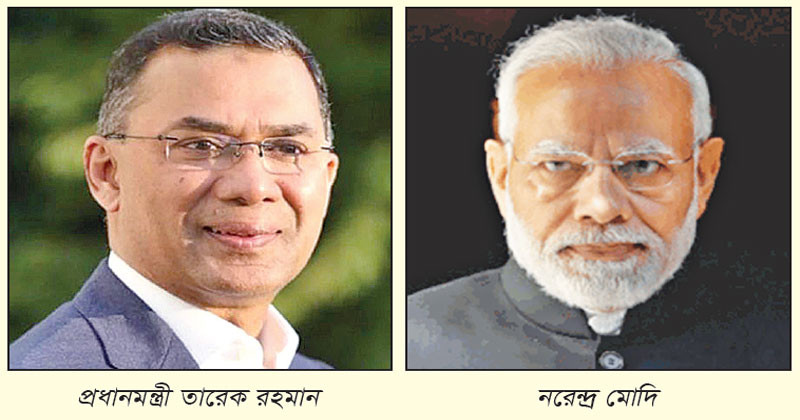
The Bangladesh government has made it clear that Prime Minister Tarique Rahman will not visit India unless former Prime Minister Sheikh Hasina and those accused in the murder of Osman Hadi are handed over to Bangladesh.
India’s attempts to bring Mr. Tarique Rahman to Delhi have intensified, with Indian officials making repeated diplomatic efforts. Indian High Commissioner to Bangladesh Mr. Dinesh Trivedi has met the prime minister and returned to Delhi to convey a message to Indian Prime Minister Mr. Narendra Modi. The chief of India’s external intelligence agency, Research and Analysis Wing (RAW), Mr. Parag Jain, also visited Dhaka and reportedly sought to persuade Mr. Tarique Rahman to visit India.
Dhaka, however, has made its position clear: Mr. Tarique Rahman will not visit India unless Delhi returns death-sentenced former prime minister Sheikh Hasina and those accused in the murder of Osman Hadi. The decision has reportedly been welcomed by many Bangladeshis, particularly after Mr. Narendra Modi invited Mr. Tarique Rahman to India twice. The strained Bangladesh-India relationship has put Indian policymakers under pressure. Delhi is keen to improve ties and wants the Bangladeshi prime minister to visit India. The United States is also reportedly trying to mediate with Dhaka on India’s behalf.
Former Dhaka University International Relations Professor Dr. Shahaduzzaman said, the Teesta mega project must be implemented. He said Mr. Tarique Rahman should not visit Delhi before progress is made on the China-Myanmar-Bangladesh economic corridor, as the three countries are moving forward with the initiative.
Opposition Chief Whip and NCP convener Nahid Islam said the prime minister should not visit India until the future nature of Bangladesh-India relations is determined. He alleged that Sheikh Hasina’s August 5 press conference in Delhi was held with the direct or indirect support of the Indian government and was against Bangladesh.
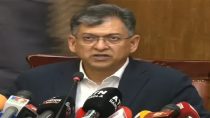
Indian High Commissioner Mr. Dinesh Trivedi said on August 16 that Bangladesh’s prime minister should visit India. He said Bangladesh and India are sovereign countries and that their differences and disputes can be resolved through dialogue. He added that a meeting between Mr. Tarique Rahman and Mr. Narendra Modi could create opportunities to resolve many outstanding issues.
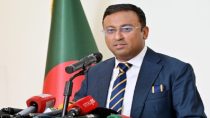
In response, Bangladesh Foreign Ministry spokesperson and Additional Foreign Secretary for Public Diplomacy Mr. AKM Shahidul Karim said the prime minister could visit India under three conditions: Sheikh Hasina must be returned to Bangladesh; those accused in Osman Hadi’s murder must be extradited; and a favourable environment must be created for the prime minister’s visit.
The International Crimes Tribunal has sentenced Sheikh Hasina and several others to death for crimes against humanity. Following the verdict, the previous interim government sent letters to Delhi seeking her return under the 2013 extradition treaty between Bangladesh and India. Two letters were sent seeking Sheikh Hasina’s extradition and another seeking the return of former home minister and death-sentenced Asaduzzaman Khan Kamal. Delhi has said it is reviewing the requests. India’s Narendra Modi government reportedly attempted to send Sheikh Hasina to a third country, but she did not leave India. Bangladesh now maintains that relations between Dhaka and Delhi cannot return to normal unless she is returned.
The Indian Express reported that some leaders and former MPs of the banned Awami League told the newspaper that Sheikh Hasina occasionally communicates with party cadres in Bangladesh and encourages them to organise movements and violence. Diplomats and intellectuals in Delhi and Kolkata have also reportedly said that her continued political activities from India could undermine efforts to improve Bangladesh-India relations. During meetings with Bangladesh’s Foreign Affairs Adviser Humayun Kabir and Foreign Minister Dr. Khalilur Rahman, Mr. Dinesh Trivedi was reportedly told that Bangladesh had submitted all relevant documents under the 2013 extradition treaty while seeking Sheikh Hasina’s return.
Delhi is now reportedly seeking to leave the final decision on extradition to Indian courts. Indian media reported on August 16 that an Indian government official said the decision would be judicial rather than political or diplomatic. According to the official, the court would have to determine whether the crimes for which Sheikh Hasina was convicted in Bangladesh also constitute offences under Indian law.
India has also become increasingly concerned about Bangladesh’s growing ties with China. Following the July 2024 uprising, India suspended visas for Bangladeshis, but Bangladeshi travellers increasingly turned to China, Thailand and Singapore for medical treatment and tourism, hurting businesses in Kolkata. Indian policymakers now reportedly believe that continued deterioration in Bangladesh-India relations over the Hasina issue would harm both countries.
There are also concerns in India over the China-Myanmar-Bangladesh economic corridor and the Teesta mega project. Indian policymakers fear that accelerated implementation of these projects could create strategic challenges around the Siliguri Corridor, known as the “Chicken’s Neck.”
A report in The Hindu on August 16 said New Delhi had intensified diplomatic efforts to arrange Mr. Tarique Rahman’s visit to India, possibly by the end of August or the first week of September. India reportedly hopes the visit could open the way for renewing the Ganges water-sharing agreement, implementing energy agreements and removing Indian trade restrictions imposed on Bangladeshi products in 2025.
Indian Foreign Ministry spokesperson Mr. Randhir Jaiswal said the Indian government had no connection with Sheikh Hasina’s August 5 programme in Delhi and did not support her remarks. During his Bangladesh visit, RAW chief Mr. Parag Jain, along with High Commissioner Mr. Dinesh Trivedi, reportedly conveyed that Bangladesh should not remain stuck on the Hasina issue and should instead move quickly toward bilateral talks to improve future relations, restore visa facilities and resolve the trade deadlock. However, Bangladeshi intellectuals argue that Mr. Tarique Rahman should not visit Delhi unless the issue of Sheikh Hasina’s return is resolved.