Phulbari coal offers hope for power supply
Mahfuzul Haque Anar and Abu Shahid
Extracting 15 million tonnes of coal annually from the Phulbari mine could meet around 75 percent of Bangladesh’s imported coal demand for power generation, potentially reducing import costs and easing pressure on the country’s energy sector.
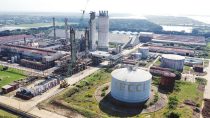
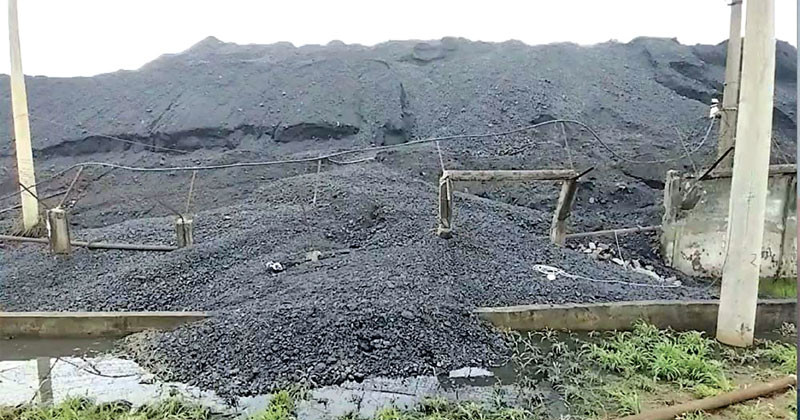
Bangladesh has seven coal-fired power plants with a combined capacity of 7,312 MW. Six of them, excluding the Barapukuria power plant, require around 20 million tonnes of imported coal each year. In fiscal 2024-25, Bangladesh settled coal import letters of credit worth $1.191 billion, equivalent to around Tk 14,531 crore at Tk 122 per dollar.
The Phulbari mine has estimated reserves of 572 million tonnes, of which around 472 million tonnes could be extracted. Coal seams are located about 240 metres underground. Officials of Barapukuria Coal Mining Company Ltd (BCMCL) said the mine is technically ready for extraction and a comprehensive feasibility study has already been completed. The mine could produce 15 million tonnes annually. If the government takes a final decision and completes the necessary work, full-scale production could begin within five years.
The government is preparing a 10-year energy plan that is expected to include a policy on domestic coal extraction. Finance Minister Mr. Amir Khosru Mahmud Chowdhury recently said Bangladesh has little alternative but to consider open-pit mining at Phulbari, Dighipara and other sites. He said a comprehensive energy policy would be announced within two to three weeks.
Bangladesh has five major coal deposits: 5,450 million tonnes at Jamalganj in Joypurhat, 685 million tonnes at Khalashpir in Rangpur, 706 million tonnes at Dighipara, 410 million tonnes at Barapukuria and 572 million tonnes at Phulbari, both in Dinajpur.
Coal currently accounts for around 28 percent of the country’s power generation capacity, while total power demand is about 17,000 MW. Energy-sector experts say domestic coal could reduce import costs and dependence on gas-fired power plants. Bangladesh has 12,472 MW of gas-based generation capacity, but gas shortages prevent the country from using even half of it. At the same time, the Bangladesh Power Development Board lacks sufficient funds to operate coal plants at full capacity using imported coal.
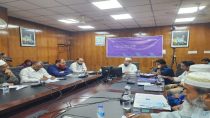
Experts believe domestic coal could therefore provide a cheaper and more reliable fuel source, but a final government decision is needed. Energy expert and Independent University professor Mr. Tamim said an independent assessment should first determine the environmental and technical risks of coal extraction. If the risks are found to be manageable, Bangladesh could proceed; if they are excessive, domestic coal extraction should be abandoned.
Local residents and leaders have also expressed differing views. Phulbari upazila Swechhasebak Dal convener Mr. Mokhlesar Rahman Nawab and labour leader Mr. Anwar Sarkar said leaving natural resources underground while the country faces an energy crisis is unacceptable and urged the government to extract coal from Phulbari and other mines.
Phulbari mine movement leader Mr. Syed Saiful Islam Jewel said local people are ready to resist any conspiracy by foreign interests benefiting from commissions. However, he said the government could resolve local concerns through discussions with stakeholders if coal extraction is deemed necessary. He also said the previous agreement with foreign companies was not in the national interest and that any new plan should ensure full use of the coal, food security, employment and improved living standards for local communities.