EU Did Not Join Iran Sanctions: US Secretary Lied?
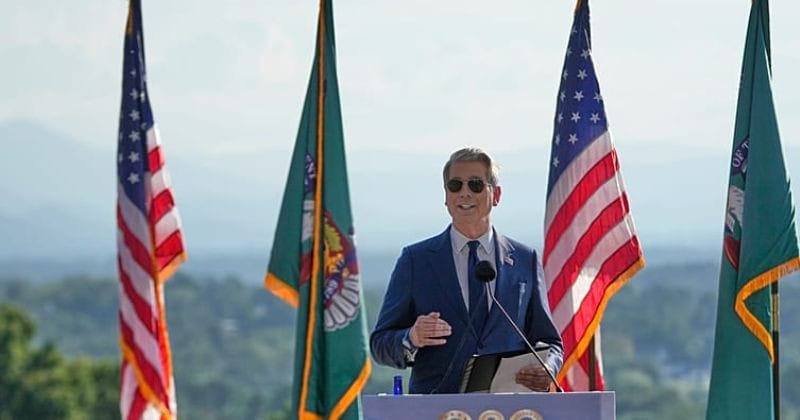
The United States has launched a thorough sanctions operation known as ‘Operation Economic Outcast’ to completely separate Iran from the international banking system and the global economy. The European Union has formally joined this initiative, US Treasury Secretary Mr. Scott Bessent announced during a meeting of G20 finance ministers in Asheville, North Carolina. He praised the European Commission’s action and said, ‘A clear message is being sent worldwide that the United States will not stop until every source of funding for the Iranian government is cut off ’.
Although the EU praised the American initiative, it did not commit to take a direct part in the operation, according to an analysis of official papers released by Brussels. The EU is prepared to take more action if needed, according to a statement issued on August 31 that severely criticized Iran’s nuclear program, ballistic missile development, military support for Russia, and instability in the area. Brussels expressed its support for attempts to bring about peace through economic pressure in response to the US actions, but the statement made no mention of new sanctions or direct engagement.
Diplomatic analysts claim that the US’s ‘secondary sanctions’ against third-party companies doing business with Iran are the main cause of the huge difference between simple acceptance and active involvement. The same limitations and sanctions would have to be applied to European businesses under local regulations if the EU had formally joined. Furthermore, since nations such as Germany, Italy, and the Netherlands still account for two-thirds of the group’s overall trade with Iran, any new EU sanctions strategy must have majority support from all 27 member states. This presents a major challenge.
An EU official responded to an inquiry about the difference from a foreign media source, Euronews, by simply citing the previous statement. As a result, there is a significant difference between what Washington says and what Europe is actually doing in terms of policy. Navigating the blurred line between direct operational alignment and political backing continues to be a major problem for European exporters and financial institutions.
Source: Euro News