
Hefazat holds emergency meeting over state minister appointment
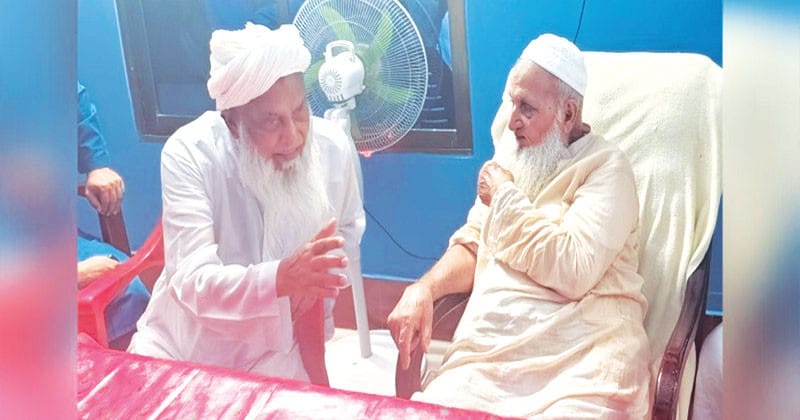
Ameer Allama Muhibbullah Babunagari presided over an emergency meeting called by Hefazat-e-Islam at the Babunagar Madrasa in Chittagong to raise serious concerns about Shamim Kaiser Lincoln’s nomination as State Minister for Religious Affairs. Leaders criticised the appointee’s ideology and questioned the role’s need in light of a full cabinet minister. Members of the nine-person delegation were advised not to meet the new state minister prior to the direct discussion of the problem with the Prime Minister. After Minister Lincoln paid a polite visit to the Allama Nur Hossain Qasemi Madrasa in Baridhara, the controversy grew more tense.
Administrative tensions increased concurrently when Md. Abdur Rahman Khan, the previous chairman of the NBR Internal Resources Division, was appointed as the World Bank’s Alternate Executive Director in Washington, D.C., on a three-year term. There was a strong response to this move as well as the renewal of the contracts for the Public Administration Secretary and Cabinet Division Secretary. The Anti-Discrimination Employees Unity Forum’s critics said that such appointments marginalise long-deprived officials and run the risk of clashing with state interests from important abroad positions.
Administrative cadre personnel continue to be overlooked by the system, which causes dissatisfaction. Despite intelligence recommendations, Bangladesh Administrative Service Association Secretary General Md. Babul Mia, who spent more than ten years as an Officer on Special Duty because of his political involvement, was allegedly passed over for Secretary-level appointments. Critics point to a lack of action over the continued advancements and recruitment of those connected to the previous administration, despite State Minister for Public Administration Abdul Bari’s statement in Parliament that legal action is planned against officials who enforced the previous rule.
Critical ministries are still held by members of the previous government, according to observers, which complicates coordination problems. Calls for thorough administrative restructuring are highlighted by ongoing demands for the remaining ministry secretaries against whom formal removal requests had previously been filed, as well as worries about numerous officials at all administrative levels who are currently being accused of being connected to the student movement.