Humayun Kabir: The Steward of Bangladesh’s Multilateral Diplomacy
The Ministry of Foreign Affairs has been assigned one full minister and two state ministers. Two state ministers were appointed after full minister Dr Khalilur Rahman was elected president of the United Nations. With Prime Minister Tarique Rahman’s approval, responsibilities have been divided between the two.
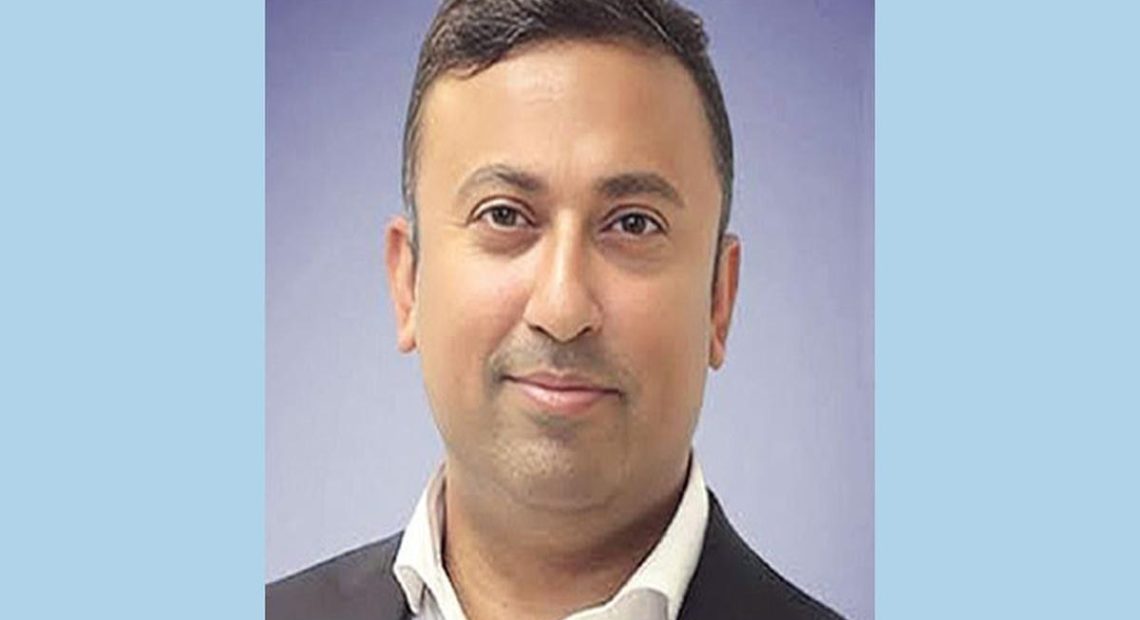
Humayun Kabir has been appointed State Minister for Foreign Affairs-1. He will oversee Bangladesh’s bilateral relations, political and diplomatic communications with other countries, and multilateral affairs involving the United Nations and other international organisations. He will also handle matters concerning expatriate Bangladeshis, including their interests and rights, as well as other duties assigned by the foreign minister. State Minister for Foreign Affairs-2 Shama Obaid Islam has been assigned human rights, climate change, LDC graduation, maritime law and marine resources, global health diplomacy, and cultural and sports diplomacy.
Mr. Kabir’s portfolio therefore places him at the centre of Bangladesh’s bilateral and multilateral diplomacy. Earlier, in February this year, he was appointed prime minister’s adviser on foreign affairs with the rank of state minister and was given responsibility for the ministries of foreign affairs, disaster management and relief, and civil aviation and tourism. Analysts say Mr. Kabir has taken on a significant role in Bangladesh’s foreign policy after years of experience in Britain’s political and administrative spheres and involvement in the BNP’s international relations. He took oath as state minister on August 21, 2026, and the government formally defined his responsibilities on August 23.
Officials at the foreign ministry identify his international political and administrative experience as a major strength. His academic background includes international relations, politics, management and law, and he has worked with several political and administrative institutions in the United Kingdom. His rise in Bangladesh’s politics has been closely linked to the BNP’s international affairs. He became the party’s joint secretary general for international affairs in October 2025 and was appointed Tarique Rahman’s foreign affairs adviser in February 2026.
Since the current government took office, Mr. Kabir has stressed three themes in foreign policy: national interest, mutual respect and balanced relations. On Monday, during his first visit to the foreign ministry after receiving his portfolio, he said Dhaka and New Delhi were working on the Prime Minister’s proposed India visit. The date will be finalised through bilateral discussions at a mutually convenient time. Mr. Kabir described Indian Foreign Minister S Jaishankar’s recent remarks on Bangladesh-India relations as positive. He said Bangladesh’s national interests must be protected while maintaining diplomatic balance and that bilateral ties should be based on equality and fairness. Earlier, he said there was no hurry over the prime minister’s India visit and that progress in bilateral discussions would be prioritised before a decision was made. His position suggests that Dhaka wants relations with neighbouring countries to be managed through mutual interests and understanding rather than political courtesy alone.
Experts consider multilateral diplomacy one of the most important areas of Mr. Kabir’s new responsibilities. His role could be significant in presenting Bangladesh’s position at the United Nations and other international forums. His previous international engagement indicates experience in this field. In April 2026, on the sidelines of the Antalya Diplomacy Forum, he met Tajikistan’s deputy foreign minister to discuss bilateral relations, political, economic and humanitarian cooperation, and collaboration in international organisations.
Bangladesh-India relations could be one of his biggest diplomatic tests. Border issues, water sharing, trade, security, migration, regional connectivity and political relations make the relationship highly sensitive. Recent tensions over the entry and repatriation of Bangladeshi nationals have added pressure.
Mr. Kabir will therefore have to safeguard Bangladesh’s interests while keeping relations functional through dialogue. His “no hurry, progress first” approach to the prime minister’s India visit reflects the government’s emphasis on negotiation before high-level engagement.
His experience in Britain could also help him understand Western political and administrative structures. Bangladesh regularly engages with the United States and European countries on trade, labour markets, human rights, democracy, security and regional politics. However, experts caution that international experience alone cannot guarantee diplomatic success; balancing Bangladesh’s interests with those of international partners will be the real challenge. China will also remain important. It is a major partner in infrastructure, trade, the economy and defence cooperation. Maintaining balanced relations with India, China and the United States is becoming increasingly important. Mr. Kabir will have to pursue a diversified foreign policy without allowing Bangladesh to become overly dependent on any single power.
The Rohingya crisis is another major challenge. Repatriation to Myanmar, international pressure, UN involvement and securing humanitarian assistance all require sustained diplomacy. Mr. Kabir’s multilateral portfolio could give him an important role in coordinating efforts involving Myanmar, China, the United States, India and the United Nations. His professional profile offers several advantages: international experience, multidisciplinary academic training, political contacts and familiarity with government policymaking. His long involvement in the BNP’s international affairs has also given him experience dealing with foreign diplomats and political circles.
Experts say he will have to manage several fronts simultaneously, including relations with India, China, the United States and the European Union, the Rohingya crisis, border and water issues, trade and economic diplomacy, and the interests of expatriate Bangladeshis.
Success will require more than political statements. It will depend on coordinated strategy and the ability to produce concrete outcomes. For Mr. Kabir, the immediate challenge is to turn his British administrative experience, international relations expertise and political contacts into effective state diplomacy that advances Bangladesh’s national interests. His performance will ultimately be measured by how effectively he can protect those interests while maintaining constructive engagement with major powers, neighbours and multilateral institutions.