
India’s mass wedding turns into a trap for grooms
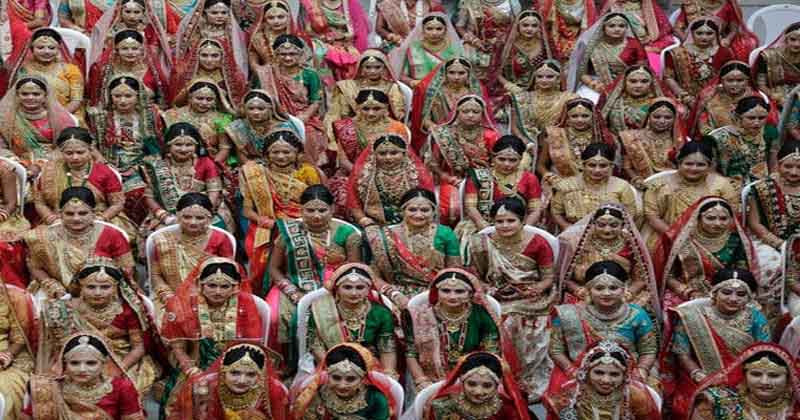
In a village in Madhya Pradesh, India, Abhishek Verma’s parents were desperate to get their son married. They found a man in a nearby village who introduced himself as a matchmaker. He asked them to choose an orphan woman from a photo album and pay nearly Rs 25,000 to take part in a mass wedding. In late May, Verma and around 40 other grooms arrived at a temple in Dewas, Madhya Pradesh, dressed in kurtas and sherwanis to attend the mass wedding at 8am. After waiting all day for the brides, they realised that they had been caught in a scam.
After darkness fell, police were informed. Verma later learned that the women in the photographs were not orphans; they were popular influencers with millions of Instagram followers. At the end of July, police said a case had been filed against 45-year-old Dinesh Vairagi, his brother and four other associates. Police said the Vairagis collected around $4,000 by taking Rs 10,000 to Rs 25,000 from each man. Although this was a large amount for rural families, it was cheaper than the cost of an individual wedding.
The fraudsters exploited the difficult reality faced by low- and middle-income men in rural society in finding brides. Verma, who holds a degree in computer science but does various part-time jobs because he could not find suitable employment, said several of the grooms were unemployed young men like him. Others were in their 40s or 50s and had difficulty finding brides because they were considered too old in the marriage market.
The matchmakers refused to let Verma meet the girl before the wedding. He said, “They said the rules of the orphanage did not allow the girls to meet unfamiliar men like that. I had some doubts, but I had no choice but to follow my family’s wishes. Honour is everything.”
Gaurav Chiplunkar, a professor at the University of Virginia’s business school, said Indian families generally prefer to marry their daughters to men from a different caste or with the potential to earn a higher income. This can help justify the expenses of marriage and dowry. He said, “The marriage market is so imbalanced that there are no brides at all, or the men are older, or they need a woman who will work in the household while the man goes to the city for a job.”
State governments in India provide financial incentives for mass weddings. Such events are generally shorter and less expensive than conventional weddings and are often held ahead of important elections. However, the fraudulent mass wedding in Madhya Pradesh was not linked to any government programme or election. Police said the family involved in the fraud used its reputation in the village to gain the victims’ trust.
Marriage-related fraud has become so common that Indian newspapers often publish full-page warnings about it. Fraudsters exploit a marriage market in which families spend years saving for clothes, jewellery and dowry. The Madhya Pradesh incident is an extreme example of a type of fraud in the wedding industry that has long been vulnerable to various forms of deception.