Is India Acting Like a Hostile State?
By Stalin Sarkar
“Bravo, Bangladesh… Yet never to bow its head.” — Sukanta Bhattacharya
Echoing the poet’s resolve, Bangladesh has delivered a strong message to India in protest against Sheikh Hasina’s virtual conference in Delhi. The Ministry of Foreign Affairs’ message to South Block has been described as a rebuke to what the article calls Chanakya-style diplomacy. The article questions whether such an event could have been held in Delhi without the BJP government’s knowledge or approval.
The attention surrounding fugitive death-row convict Sheikh Hasina’s virtual appearance quickly faded after her audio address. She was the first speaker at the online event organised by the Foreign Correspondents’ Club of South Asia in Delhi. Although there had been claims that Hasina would join the conference after purchasing a ticket to return to Bangladesh, she offered no new message. According to Indian media, about 150,000 viewers initially joined the live event, while 44,000 disconnected before she finished speaking.
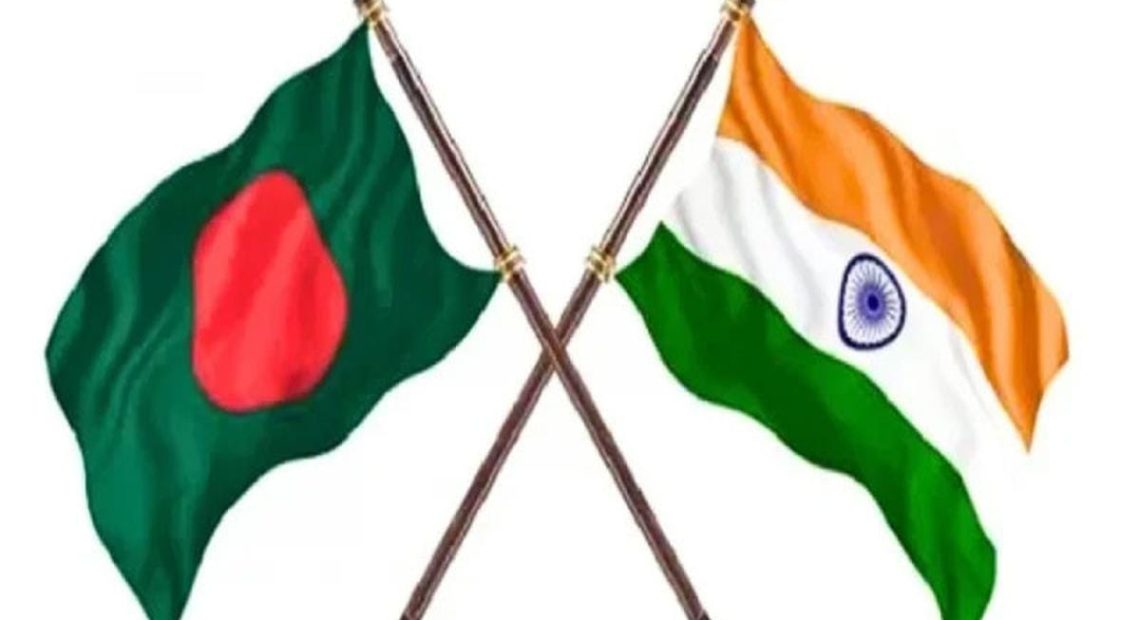
India, Bangladesh’s neighbour, is increasingly behaving like a hostile state. Since Hasina fled Bangladesh after being ousted on August 5, 2024, it says the BJP government has adopted a renewed Chanakya-style strategy toward Dhaka. Following the election of the BNP government, Indian Prime Minister Narendra Modi quickly congratulated Prime Minister Tarique Rahman. However, Tarique Rahman’s June 22–26 visit to China and his meeting with President Xi Jinping reportedly heightened concerns in Indian strategic circles.
China announced nearly $300 million in grant assistance, while plans for the Teesta Mega Project and the China-Myanmar-Bangladesh Economic Corridor reportedly added to Delhi’s concerns. The article argues that India is using Hasina as a political lever against Bangladesh. Bangladesh responded firmly. Foreign Minister Dr. Khalilur Rahman said the lesson of the July Mass Uprising was that Bangladesh would never again become a dependent or client state.
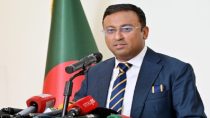
In a statement issued on Wednesday, the Ministry of Foreign Affairs said Bangladesh was outraged that the fugitive, convicted genocidaire had been allowed to address the media in New Delhi, where she and her associates allegedly spread hateful propaganda against Bangladesh and its people. Dhaka said it had warned India in advance that the event could damage efforts to rebuild bilateral relations. The statement described Hasina’s appearance as an affront to Bangladesh’s sovereignty and a grave insult to the martyrs of the July Revolution.
The statement said her rejection of UN-established findings concerning killings of civilians, including children, during July-August 2024 represented an attempt to rewrite history. The ministry added that Bangladesh would not return to authoritarian rule or become a subservient state, and said Sheikh Hasina and her “mafia network” would have no place in the country’s political arena.
At the same time, Dhaka said it wanted a constructive, mutually beneficial and forward-looking relationship with India based on sovereign equality, mutual respect, non-interference in internal affairs and national dignity. It expressed regret that India had not responded to repeated requests under the 2013 Bangladesh-India Extradition Treaty for Hasina’s return. It said allowing her to address the media had hurt Bangladeshis and undermined efforts to strengthen bilateral ties.
Earlier, on August 3, Indian High Commissioner Dinesh Tripathi was summoned to the Prime Minister’s Office in Dhaka. Prime Minister’s Foreign Affairs Adviser Humayun Kabir conveyed Bangladesh’s expectation that India would prevent Hasina and members of banned organisations from using Indian territory to make political statements or engage in activities aimed at destabilising Bangladesh.
The following day, August 4, Indian External Affairs Ministry spokesperson Randhir Jaiswal said the press conference had been organised by a private media organisation, not the Indian government. He said New Delhi had no role in organising the event, did not endorse the remarks and bore no responsibility for the views expressed. Bangladesh had also raised Hasina’s activities during Foreign Minister Dr. Khalilur Rahman’s courtesy meeting with Tripathi on July 29, stressing that they remained a major obstacle to a “new beginning” in bilateral relations between the two countries, according to Dhaka officials.
Following Tarique Rahman’s China visit, Jaiswal said India was closely monitoring developments in neighbouring countries, including discussions surrounding the proposed China-Bangladesh-Myanmar Economic Corridor and their potential implications. Chinese Ambassador to Bangladesh Yao Wen said China’s commitment to Bangladesh would remain unwavering regardless of global circumstances. He described Tarique Rahman’s visit as historic and highly successful and reaffirmed Beijing’s support for the Teesta River management project, the modernisation of Mongla Port and the China-Myanmar-Bangladesh Economic Corridor.
The article also alleges that several ministers in the current government have been overly accommodating toward New Delhi and that some have sought to sideline ministers and state ministers identified with nationalist politics. Nevertheless, Dhaka’s firm response to Hasina’s virtual conference has drawn praise. The dispute has therefore become a significant test of Bangladesh’s sovereignty and bilateral relations. Speaking to BBC Bangla on Thursday, State Minister for Foreign Affairs Shama Obaed Islam said it was ultimately up to India to determine the future direction of Bangladesh-India relations.