
Khulna’s New Hope in Pabda-Tengra Amid Shrimp Slump
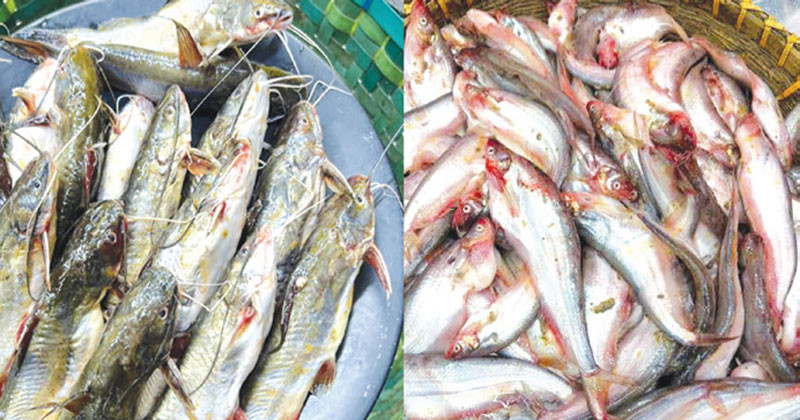
Despite a prolonged slump in the Khulna region’s shrimp export trade and delayed hilsa export approvals for Durga Puja, commercial farming of pabda and tengra fish has brought a glimmer of hope to farmers. Facing falling shrimp profits, producers in Khulna, Satkhira, and Jashore have shifted toward cultivating these freshwater species at a lower cost, meeting surging demand across the Indian states of West Bengal, Assam, and Tripura.
Exporters are increasingly capitalizing on this trend by providing advance funding, known as dadon, to fishermen gathering tengra from rivers near the Sundarbans. Supported by the Bangladesh Fisheries Development Corporation, which has authorized 20 regional exporters under agreements valid through December, these shipments cross the Benapole, Chatlapur, and Akhaura borders three days a week.
Md. Akbar Hossain, Manager of BFDC Khulna, noted that this sector earns vital foreign currency while creating local employment and shifting southern farmers toward freshwater cultivation. He stated that an average of five metric tons of pabda and tengra are exported weekly to meet the steadily rising demand across the three Indian states.
Highlighting trade logistics, Md. Faruque Hossain Litu, owner of Jarin Enterprise, explained that the fish sell for approximately 300 BDT per kg in India and reach major West Bengal wholesale markets within five hours. Meanwhile, Aktaruzzaman of Mahbub & Sons confirmed that 3.5 metric tons are scheduled for export through Benapole next Monday, anticipating further farm expansion next year.
Official data highlights substantial financial growth, showing that fish exports through Benapole reached 13,742,690 kg valued at 3.83 million USD during the 2024-25 fiscal year. Pabda dominated these shipments, accounting for roughly 88 percent of the total volume, while hilsa constituted about 4 percent, marking a sharp increase from the preceding 2023-24 fiscal year.
Fisheries stakeholders emphasize that if this robust Indian market demand can be sustained, commercial production will continue to expand throughout the southwest. This upward trajectory promises to bolster foreign currency earnings while generating reliable new income opportunities for regional farmers navigating previous economic hardships.










