Low-cost weapons emerge as key defence lesson from Iran war
The Iran war has raised a difficult question about modern warfare: how long can countries afford to fire sophisticated, multimillion-dollar missiles against cheap offensive drones? Against this backdrop, countries around the world are changing their defence strategies. Their militaries are now turning towards low-cost interceptors costing around $5,000, while reserving advanced missiles for high-level threats, including ballistic missiles.
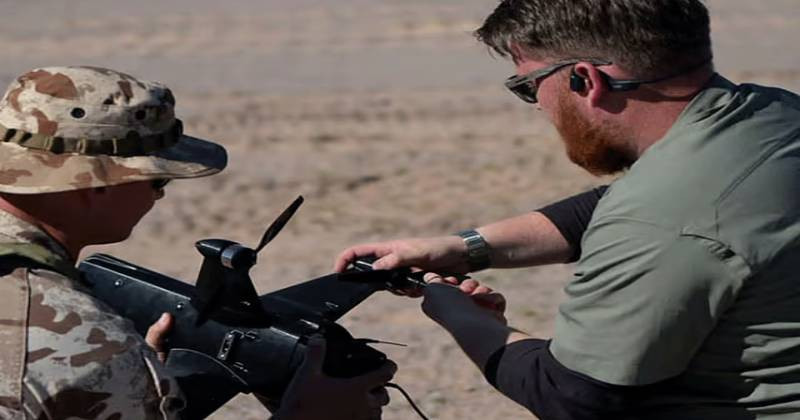
A report by The New York Times said the shift, accelerated by the war in Ukraine, has become even more urgent following the outcome of the Iran conflict. At the centre of this development is the “Guardian”, an anti-drone weapon developed by Florida-based startup PowerUs, which has proved effective against Russia’s Iranian-designed Shahed drones. It costs around $5,000, far less than advanced air-defence missiles. Although it cannot intercept ballistic missiles and is not an alternative to Lockheed Martin’s PAC-3, militaries are adopting layered defence systems.
The approach involves using inexpensive interceptors against low-cost drones while reserving advanced missiles for higher-level threats. The key issue is cost. When lives or infrastructure are at risk, using a missile worth hundreds of thousands or millions of dollars against a cheap drone may be strategically justified. But if this equation is repeated hundreds or thousands of times, ammunition stocks could be depleted.
Ukraine has demonstrated this reality on a large scale, and the Iran conflict has reinforced it. Factories associated with PowerUs are producing around 3,000 drone interceptors a month, according to a company spokesperson who spoke to The New York Times. PowerUs aims to establish a global production network capable of manufacturing 15,000 interceptors a month by mid-2027. The Guardian uses commercially available small chips and GPS modules. PowerUs has also partnered with a defence company near Mumbai to manufacture the interceptors in India.
Lockheed Martin said in July that it plans to develop a low-cost drone interceptor in Europe. It is expected to cost around $2 million, about half the price of a PAC-3. However, testing is not expected to begin before 2028. According to data from the Center for a New American Security, Raytheon’s Coyote interceptor costs around $126,500. Meanwhile, California-based startup Neros is developing Bandit interceptor drones, with the initial model priced at around $5,000.
Iran has demonstrated how cost-effective methods for destroying low-cost drones and missiles can change the battlefield, meaning the next arms race could focus not only on sophisticated missiles but also on affordable defence systems.