Mounting Inflationary Pressures: Record High Fuel Prices Impact Europe
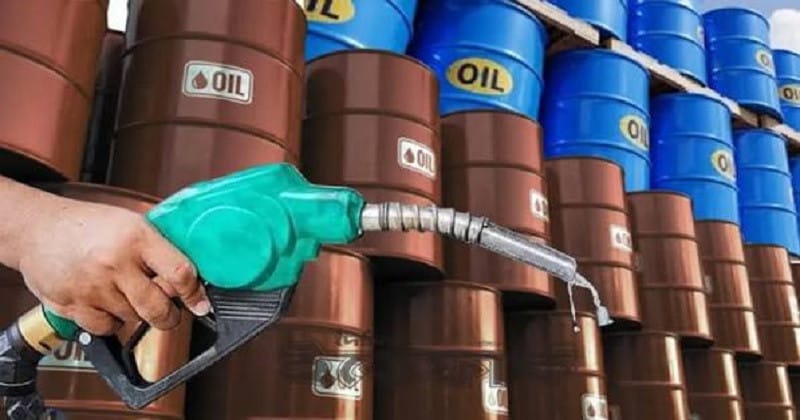
Rising energy prices across the European Union have reached critical levels, triggering intense political debate and severe economic concerns. French President Mr. Emmanuel Macron described the current situation as intolerable on X and convened an emergency meeting on September 18 with major political party representatives. High fuel costs are placing immense pressure on both individual consumers and key industrial sectors. As of September 17, the average price of petrol in the European Union reached €2.60 per liter, while in the Eurozone, it stood at €2.12 per liter. Refueling a standard 50-liter vehicle tank now costs approximately €103 for petrol and nearly €108 for diesel on average.
To manage the situation, governments across the EU essentially have three primary tools at their disposal: temporarily reducing energy taxes, providing targeted financial assistance to vulnerable households and transport companies, and boosting energy supplies in the European market. According to Mr. Vladislav Belov, Deputy Director of the Institute of Europe at Vedomosti, abnormally high prices for diesel and petrol act as an additional drag on economic growth. He noted that elevated diesel prices increase operational expenses across freight transport, agriculture, construction, and manufacturing. He warned that if current levels persist, there are serious risks of additional inflationary pressures, declining real incomes, reduced consumer demand, and weakened market competitiveness.
Heavy taxation and broader geopolitical disruptions remain the primary drivers behind Europe leading the world in motor fuel prices. Mr. Alexander Frolov, Deputy Director of the International Energy Policy and Security Institute at MGIMO, highlighted that disruptions to Russian energy supplies following the invasion of Ukraine have been further complicated by Middle East instability. He stated, ‘Europe is impacted by instability in its surrounding regions. Previously, a combination of Russian supplies and energy efficiency measures helped manage that impact.’ He added that cutting business ties with Russia and aiming to phase out its hydrocarbons by 2027 stripped away Europe’s energy cushion, while seeking alternative sources pushed costs significantly higher.
Structural differences between international energy markets have also intensified the impact felt by European populations. Mr. Alexei Belogoriev, Research Director at the Institute for Energy and Finance Foundation, pointed out that while the root causes of fuel price spikes are uniform globally, a major US factor is excessive export profits, whereas Europe remains a net energy importer. He observed that while public perception of the crisis is similar in both regions, the economic impact on European consumers is far more severe. The expert added that European nations are now paying the price for decades of growing diesel dependency in passenger vehicles alongside the sudden severance of long-standing energy ties with Russia.
Regional price variations across individual European Union member states remain stark due to local market conditions and national tax structures. On September 14, Malta recorded the lowest petrol price at €1.34 per liter, whereas Denmark reached €2.56 per liter. For diesel, Malta again recorded the lowest price at €1.21 per liter, while Finland topped the list at €2.51 per liter. In France, average diesel prices rose to €2.41 per liter, while Unleaded-95 traded above €2.17 per liter. In the Netherlands, major oil companies pushed recommended prices to €2.726 per liter for petrol and €2.777 per liter for diesel, breaking historic national records.
Beyond road transportation, severe supply bottlenecks are emerging in aviation fuel markets across the continent. According to a Reuters report, Europe could face a jet fuel deficit of approximately 510,000 barrels per day in the fourth quarter of this year, even as surplus supplies are projected for the United States and the Asia-Pacific region. To tackle this massive shortfall, European nations have significantly increased long-distance imports from suppliers in Nigeria, Canada, and the United States. Furthermore, South Korea has emerged as a crucial supplier, with jet fuel imports to Europe reaching approximately 129,000 barrels per day in September, marking its highest volume since October 2022.
The overall energy crunch continues to amplify inflationary pressures across all levels of the European economy. High fuel prices directly inflate costs in freight transit, agricultural production, manufacturing, and the distribution of essential everyday consumer goods. Even when global crude oil prices experience brief dips, pump prices remain elevated due to surging refining margins and the cost of processing crude into usable fuel, which experts at the European Central Bank expect to rise further through October. Faced with these mounting economic threats, several European governments have officially initiated discussions on structural tax policy adjustments, direct household subsidies, and targeted market interventions.
Sources: European Commission, Vedomosti, Reuters, AFP.