Myanmar Pledges Safe Return of Its Citizens While Denying Rohingya Identity
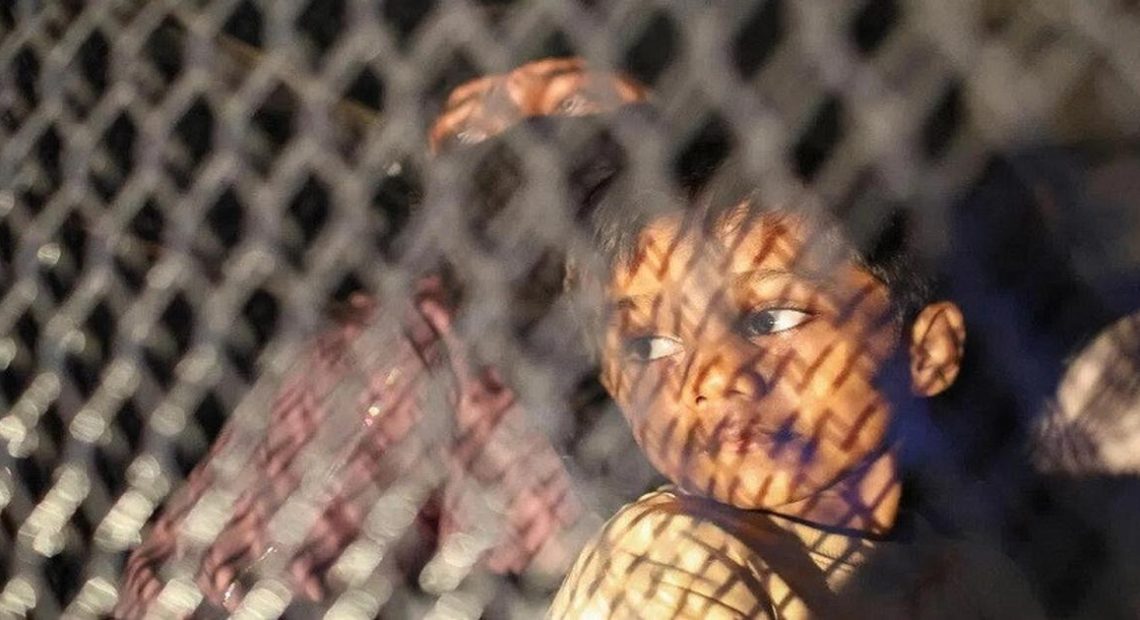
As preparations begin to repatriate around 1,500 displaced Myanmar nationals from Malaysia, the United Nations and various international human rights organisations have expressed deep concern. Amid the situation, the Myanmar government said on Thursday (September 3) that it would bring back its displaced citizens from abroad in a “safe and dignified” manner.
Despite the assurance, however, Myanmar’s Foreign Ministry continues to deny the existence of the Rohingya Muslim community, which has faced severe persecution and genocide. Human rights activists fear that repatriating Rohingyas to Myanmar amid such an ambiguous and uncompromising position could put their lives at serious risk.
In July, Malaysia said Myanmar had agreed to take back around 5,000 Rohingyas. Millions of Rohingyas fled Myanmar in 2017 to escape a brutal military crackdown and genocide. Currently, around 126,000 Rohingyas and members of other ethnic minorities from Myanmar are taking shelter in Malaysia. More than 1.2 million Rohingyas are also living in refugee camps in Bangladesh. According to announcements by the two countries, around 1,500 Myanmar nationals will be repatriated “voluntarily” in the first phase toward the end of September. However, it has not been clarified how many Rohingyas are included on the list.
In a statement, Myanmar’s Foreign Ministry said, “The Myanmar government is committed to working together with friendly countries, including Bangladesh, to ensure the safe and dignified repatriation of verified displaced persons.”
Despite this commitment, however, Myanmar’s hardline position has not changed. Maintaining its longstanding reluctance to use the term “Rohingya,” Myanmar’s Foreign Ministry claimed, “The term refers to a fictitious ethnic identity that has never existed in Myanmar.” It also strongly condemned the international observance of “Rohingya Genocide Remembrance Day.”
Meanwhile, Malaysian Communications Minister Fahmi Fadzil has made it clear that no one will be forcibly sent to Myanmar if there is a risk of loss of life or renewed persecution. In reality, however, many migrants in Malaysia are currently being held in detention centres. This has raised serious questions over whether they are genuinely returning voluntarily or being compelled to do so.
UN Secretary-General António Guterres has also warned about the current situation in Myanmar. A recent report by him said that there is currently no environment in Myanmar conducive to the voluntary, safe and dignified return of Rohingyas.