National Parliament Session Rocked by Rising Tensions

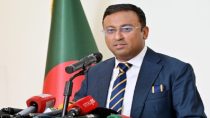
The first day of the third session of the 13th National Parliament on Thursday saw a heated exchange between the government and opposition lawmakers over the country’s law and order situation. The tension followed responses from Home Minister Salahuddin Ahmed to questions from opposition NCP MP Hasnat Abdullah and Jamaat-e-Islami MP Shafiqul Islam Masud. While answering a supplementary question from Mr. Shafiqul Islam, the Home Minister said, “Speaking at Shahbagh Square and speaking in Parliament are not the same thing.”
Opposition lawmakers immediately protested the remark. They also objected to another comment by the Home Minister while responding to a supplementary question from Mr. Hasnat Abdullah: “This was a question, not a speech by Paltan, I did not understand.” Speaker Hafiz Uddin Ahmed repeatedly asked the lawmakers to take their seats, but the protest continued. At one point, he said, “I am a little worried about the future of this parliament. The way they are interrupting each other while speaking is not a good sign.”
The Speaker later gave Opposition Leader Mr. Shafiqur Rahman permission to speak. He criticized the Home Minister’s remarks, saying, “The Home Minister did not say these words again. He has been belittling everyone since the day the parliament session began. I do not understand what he thinks of himself.” The Home Minister later withdrew his statement.
The incident was broadcast live on BTV and BTV World and sparked discussion and criticism on social media. The Home Minister had used humor in exchanges with opposition lawmakers since the beginning of the parliamentary session, which had generally drawn public interest. However, his choice of words and manner of responding to the opposition’s questions on Thursday were considered inappropriate. His decision to withdraw the remarks later indicated that he also recognized the issue.
The incident has raised concerns about parliamentary conduct. The new Parliament has attracted public attention through debate and criticism between the government and opposition. Argument and counterargument are part of any democracy, although they must not be disrespectful. The state is at the moment passing through a transition phase. The economy is still fragile, while shortages of gas and electricity have become issues in the public domain. Law and order is also another area that needs to improve.
Under such circumstances, instability in the Parliament becomes a problem. Questions raised by young opposition lawmakers about law and order should be addressed with tolerance and reasoned responses. Mr. Hasnat Abdullah and other new lawmakers have come to Parliament after participating in the movement and are still gaining parliamentary experience. The Home Minister is an experienced parliamentarian and should respond to the questions of younger lawmakers through clear answers and guidance. They can learn from senior lawmakers and gradually develop their parliamentary skills.
The heated exchange over the questions was therefore unnecessary. The Home Minister’s decision to withdraw his remarks was a positive step, and it is hoped that similar incidents will not be repeated. Speaker Hafiz Uddin Ahmed managed to bring the situation under control. However, his strong expression of concern about the future of Parliament has also raised concerns. Such comments by the Speaker could raise questions in the minds of the public regarding the stability of the institution. The people expect that the new Parliament will maintain democratic principles and work on the problems of the nation and ensure its well-being. While it is perfectly normal to have some differences between the government and the opposition in a democratic Parliament, such differences should always be communicated through a proper discussion and criticism.