
Reduced Load Shedding Brings Relief
Rafiqul Islam Selim
Rising gas supplies have increased power generation, reducing load shedding. With increased supplies of gas and electricity, industrial production across the country has resumed at full capacity. As load shedding has fallen to a tolerable level, relief is returning among the public.
Over the past two days, gas supplies to gas-fired power plants have increased by 100 million cubic feet to 905 million cubic feet. As a result, power generation from operational gas-fired plants has risen to 5,500 megawatts. Generation from oil-fired power plants is also increasing as furnace oil supplies rise.
Power generation at several of the country’s eight coal-fired power plants has been disrupted by coal shortages and mechanical problems. However, two plants in the Chattogram region are operating normally. The Matarbari Coal-Fired Power Plant and SS Power in Banshkhali are together supplying nearly 2,500 megawatts at full capacity. The five units of the Kaptai Hydroelectric Power Project are generating 222 megawatts. In addition, wind-, solar- and furnace-oil-fired plants in the region are providing adequate supplies. Chattogram’s power plants are playing an important role in supplying electricity to the national grid.
Bangladesh Power Development Board (BPDB) Member (Generation) Md Zahurul Islam told Inqilab that power generation had increased over the past two days due to higher gas supplies. The level of load shedding was also declining. Gas supplies to gas-fired power plants had been increased by 100 million cubic feet, he said. He added that further increases in gas and furnace oil supplies would boost power generation and bring load shedding down to a tolerable level.
According to BPDB, the country’s current electricity demand is 16,000–17,000 megawatts, while 14,500–15,000 megawatts are currently being supplied. Accordingly, the deficit has fallen to 1,000–1,500 megawatts. If gas supplies increase further soon, load shedding can be brought down to a tolerable level. At 5:00pm yesterday, electricity demand was 15,303 megawatts, while 14,271 megawatts were supplied, leaving a deficit of 1,032 megawatts.
There are currently 137 power plants in the country, including 64 government-owned plants, 70 private plants and three built under joint ventures with China and India. Their combined generation capacity is around 29,000 megawatts. However, power generation has declined because adequate fuel supplies, including gas, oil and coal, could not be ensured for fuel-dependent power plants.
The operational gas-fired power plants currently have a combined generation capacity of 12,000 megawatts. These plants require 2,524.9 million cubic feet of gas, while the current supply is 950 million cubic feet, less than half of the requirement. As a result, their power generation has remained at around 5,500 megawatts.
Furnace-oil-fired power plants have a generation capacity of 6,000 megawatts. Most of the time, these expensive plants were kept shut to reduce costs.
However, amid the ongoing fuel crisis, steps have been taken to operate these plants at full capacity. To this end, the BPDB has requested the Bangladesh Petroleum Corporation to supply 204,000 metric tonnes of furnace oil. As furnace oil supplies have begun, generation from oil-fired power plants is also increasing.
The eight coal-fired power plants have a combined generation capacity of 7,000 megawatts. Of these, SS Power in Banshkhali, Chattogram, is supplying 1,250 megawatts, while Matarbari in Maheshkhali is supplying 1,150 megawatts.
Gas Supplies Increasing
As LNG imports return to normal, gas supplies from the floating terminal at Maheshkhali have been increased to 1,000 million cubic feet. This has increased gas supplies to the national grid to more than 2,600 MW, according to the source.
The LNG carrier MT Geneva, flying the Singaporean flag, arrived at the terminal yesterday. Petrobangla officials said LNG supply from the vessel could begin Thursday morning, potentially increasing gas supplies further. Another LNG cargo is scheduled to arrive tomorrow, Friday. A total of nine LNG cargoes are scheduled to arrive this month.
Petrobangla officials said that as gas supplies return to normal, supplies are being increased to power plants, fertiliser factories, industrial areas, CNG filling stations and residential consumers.
According to the latest Petrobangla data, 950 million cubic feet of gas is being supplied to the power sector, 158 million cubic feet to fertilizer factories and 1,326 million cubic feet to industries and other sectors. These supplies are being gradually increased.
Banshkhali Coal-Fired Power Plant Operating at Full Capacity
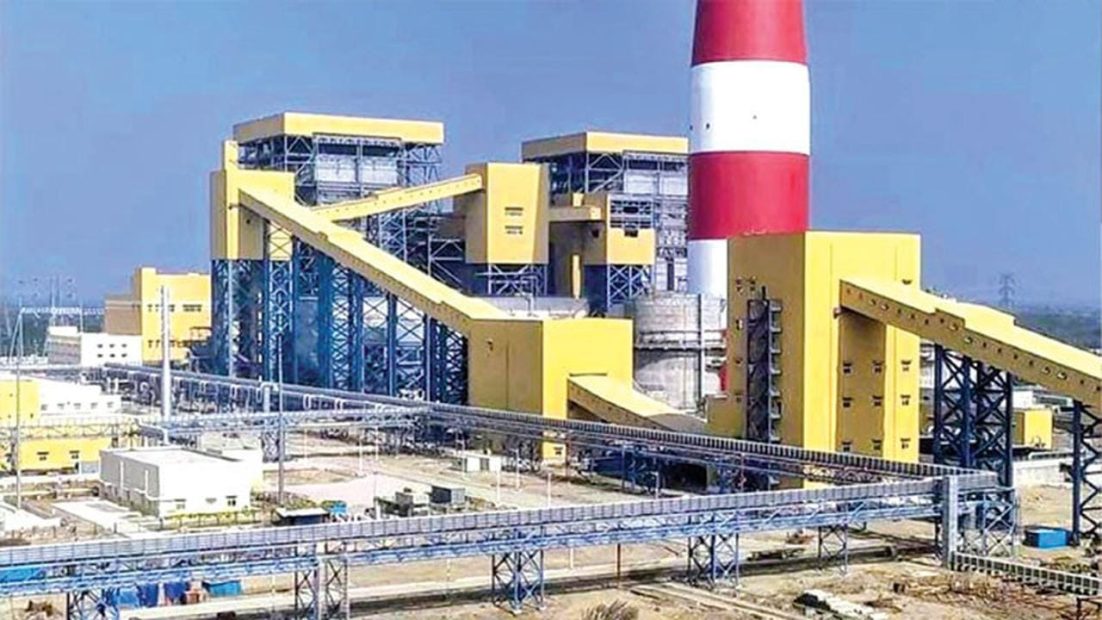
Riadul Islam Riad reports that the 1,320-megawatt SS Power Plant in Banshkhali is generating electricity at full capacity to help tackle load shedding. The coal-fired plant is regularly supplying 1,260–1,300 megawatts of electricity to the national grid every day.
According to the National Load Despatch Centre (NLDC), as per its demand, the first unit of the Banshkhali coal-fired power plant regularly supplies 620–660 megawatts, while the second unit supplies 620–655 megawatts.
Even as load shedding has intensified across the country, full-scale generation at the 1,320-megawatt Banshkhali plant has brought some relief. It has also helped reduce load shedding in Chattogram. The plant operated at full capacity yesterday as well, with the first unit supplying 635 megawatts and the second unit 656 megawatts to the national grid.
Plant Chief Coordinator Engineer Md Foyzur Rahman said SS Power Plant had been generating electricity at full capacity continuously for the past five months. He said the plant was playing an effective role in tackling the country’s current load-shedding situation.
However, residents of Banshkhali are still not receiving adequate electricity.