Southwest River Dredging Set to Boost Domestic Trade, Unlock New Economic Opportunities
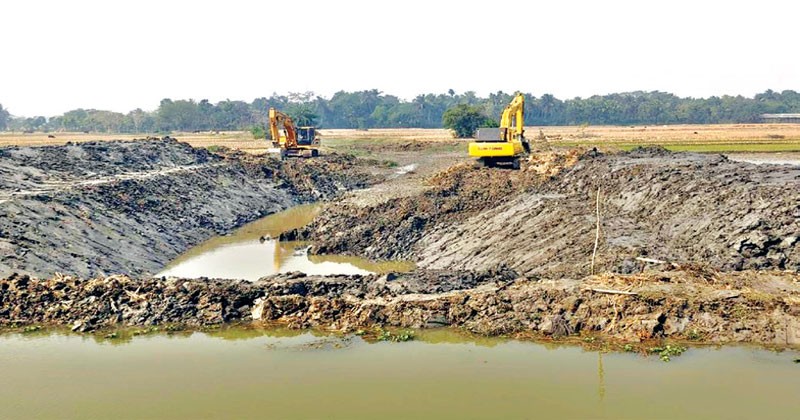
Silt buildup, loss of navigability and long neglect left once mighty rivers almost dead. Now efforts to dredge the waterways of the southwest and restore navigability have brought new hope. Inland river trade is picking up speed again around these rivers. Traders and people in the river sector hope that if dredging is fully carried out, the southwest economy will see a huge change.
Sources say the dredging and navigability work has created new chances for inland river trade. Rivers were once a main driving force of the region’s economy, farming, fisheries, industry and trade. But for years silt has built up, reducing depth. Regular dredging has been missing and the upkeep of waterways has been limited. So boat and ship movement on many important routes has been hit.
In some places big vessels stopped running, so dependence on roads for carrying goods grew. This raised transport costs for traders and wasted time and money. Historically, the southwest was the center of river transport. Countless waterways were once the lifeline of the economy. Rivers carried grain, jute, salt, daily essentials and heavy goods.
But lack of upkeep and various obstacles upstream led to too much silt. The riverbeds filled up. Large and medium vessels were badly hit on many key routes. Traders and ordinary people suffered greatly. Extra pressure on roads raised transport costs and caused long traffic jams.
Now dredging has been stepped up to bring back the lost glory of the rivers and end the navigability crisis. Under the watch of the authorities and experts, silt is being removed from the beds of the waterways by dredging. The narrowed rivers are starting to regain their normal depth and width. Transport costs on waterways are much lower than on roads. After the dredging, goods can be moved from one place to another easily and at low cost.
Easier transport has created a chance for new industries and factories in different districts of the southwest. If inland river trade grows, new jobs will appear in dredging, shipbuilding, port operation and related sectors. If a large share of freight shifts to waterways, pressure from vehicles on highways will fall. Road accidents and maintenance costs will go down.
Coal trader Mr. Tarikul Islam of Noapara told Inqilab that hope has returned among traders and river sector people because dredging and navigability work has been stepped up. He said that when the rivers get deeper, big vessels can again move without trouble. This will make carrying goods easier and reduce pressure on roads. He also said that if farmers, fish farmers and traders of Khulna, Jashore, Satkhira and Bagerhat can easily move their goods, new chances will come in production and marketing. A good environment may also form for ice factories, cold storage, packaging, transport and processing industries.
Agricultural economist Mr. Md. Zahurul Islam, a teacher in the Agricultural Economics Department of Khulna Agricultural University, told Inqilab that stepping up dredging will bring a positive change to river communication in the southwest. He said if the waterways are revived in a planned way, moving goods among Khulna, Bagerhat, Jashore, Satkhira, Mongla and nearby areas will be easier. He said import and export trade through Mongla Port, industrialization and new jobs may also grow.
Executive Engineer Mr. Md. Ashraful Alam of Khulna Water Development Board 1 told Inqilab that several important rivers and canals are being dredged and redredged in the southwest. This work is under the government and the Ministry of Water Resources. Its aim is to restore navigability and end waterlogging. Work is going on strongly in the main rivers and drainage paths of Jashore, Khulna and Satkhira.
He said dredging of several important rivers and canals in the Jashore and Khulna areas has been taken up to end the long standing severe waterlogging. A large project is running under the supervision of the Bangladesh Army to restore drainage in the region. Dredging of about 81.5 kilometers of river routes has been started. These include the Harihar river (about 35 kilometers), the Hari Teligati river (20 kilometers), Upper Bhadra, Teka and Sri rivers.
Repair and dredging of many internal canals and rivers is also going on to improve drainage in Polder No. 1, 2 and 6 to 8 of Satkhira district, and their extension areas. The ongoing areas of the Kapotaksha river waterlogging removal project (Phase 2) include Khulna, Jhenaidah, Jashore and Satkhira districts. Ashashuni, Kalaroa, Keshabpur, Kotchandpur and nearby areas are among them. Work here is running under an extended term from September 2020 to June 2027. Under this project, river bank protection and waterlogging removal in the basin of the Kapotaksha river are continuing.