State Minister Assures Fuel Price Cut Once Situation Normalizes
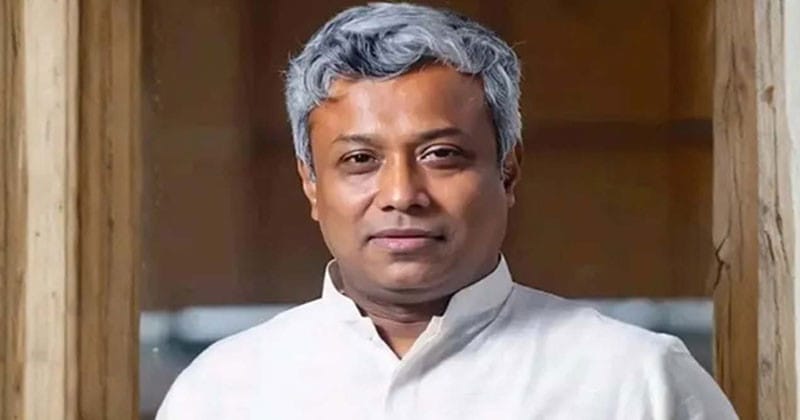
The government has raised domestic fuel prices by Tk 20 per liter to curb smuggling to neighboring countries and ease the growing burden of state subsidies. State Minister for Power, Energy and Mineral Resources, Mr. Anindya Islam Amit, announced the decision during a press briefing at the Secretariat on Monday. Under the newly adjusted tariff structure, the price per liter has been set at Tk 135 for diesel, Tk 165 for octane, Tk 160 for petrol, and Tk 155 for kerosene. The revision follows the previous price setting on August 31, where diesel was priced at Tk 115, kerosene at Tk 135, octane at Tk 145, and petrol at Tk 140 per liter.
Addressing the media, the State Minister explained that fuel imported using hard-earned foreign exchange faced a severe risk of being smuggled across borders due to lower domestic rates relative to regional neighbors. Expressing regret over the public hardship caused by the hike, Mr. Anindya Islam Amit stated, ‘The government would not have taken such an unpopular step unless left with no alternative.’ He reassured the public that the crisis would pass quickly, promising that the government would make earnest efforts to restore fuel prices to their previous levels or even lower once the international energy market stabilizes and overall conditions normalize.
The price adjustment comes as international oil markets and maritime freight charges surge dramatically, driven by the ongoing war in the Middle East. According to the Energy Division, global energy prices have more than doubled since last March, yet domestic prices were kept artificially low in the public interest. Consequently, the Bangladesh Petroleum Corporation (BPC) accumulated a massive financial loss of approximately Tk 22,875.66 crore between March and August. Officials noted that adjusting retail prices was necessary to sustain state-sponsored social safety net programs and maintain national energy supply lines amid escalating global procurement expenses.
Highlighting the state refiner’s financial strain, BPC Chairman Dr. Rafiqul Islam emphasized that continuous market intervention had become unsustainable. Commenting on the necessity of the tariff hike, Dr. Rafiqul Islam said, ‘Due to the Middle East war, oil prices in the global market have surged substantially. As a result, BPC has been incurring losses of thousands of crores of taka every month by purchasing oil at higher rates. Therefore, the government was compelled to increase fuel prices to some extent.’ Authorities maintain that aligning domestic rates closer to regional benchmarks remains vital to safeguarding national resources and economic stability.