
To Ease Gas Crisis, Power Generation Drive Accelerates as 8 More LNG Shipments Move
By Rafiqul Islam Selim
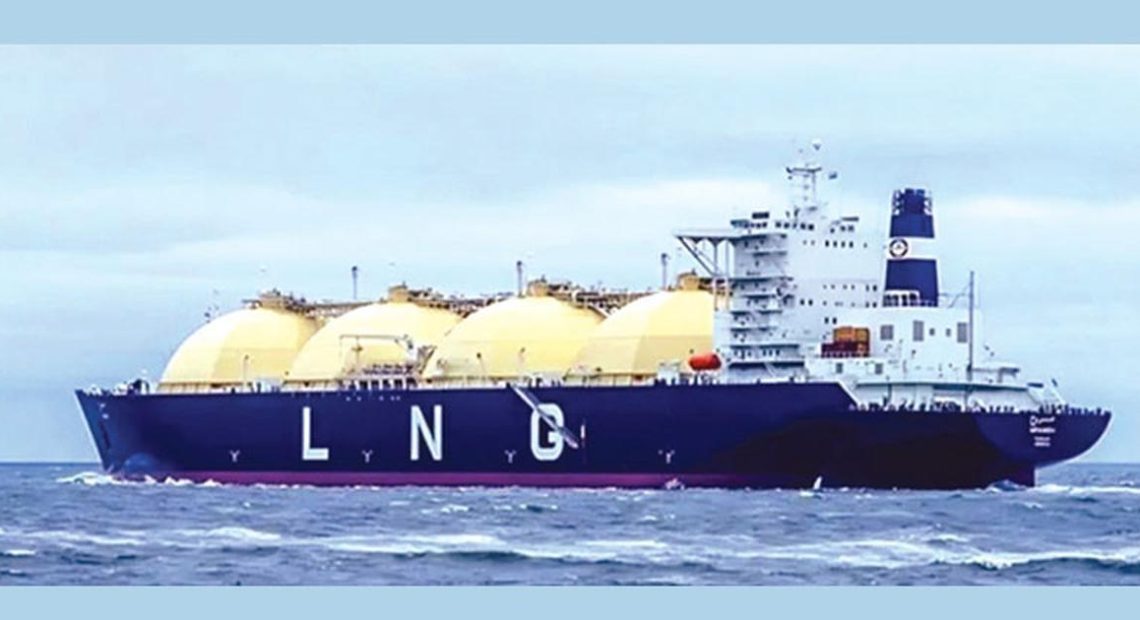
The government is exploring alternatives to maintain electricity generation amid the country’s gas crisis. As gas-fired power plants have shut down, coal- and oil-fired plants are being brought into operation. At the same time, the government is focusing on LNG imports to increase gas supplies. Eight LNG cargoes are scheduled to arrive this month, including one today, Wednesday. If they arrive on schedule, the crisis may ease, although there are doubts over the schedule.
Four power plants in Chattogram with a combined capacity of nearly 500 MW have been shut down because of the gas shortage. Three others, with a combined capacity of 340 MW, are receiving only one-third of their required gas supply. The Bangladesh Power Development Board (BPDB) is therefore relying on coal, furnace oil, wind and hydropower.
Two coal-fired plants are supplying around 2,000 MW against their combined capacity of 2,374 MW. Furnace-oil plants are also being kept operational. All five units of the Kaptai Karnaphuli Hydropower Plant are running continuously, supplying 222 MW. Solar and wind power plants are also operational.
According to BPDB data, Chattogram has 30 power plants with a combined capacity of 4,758 MW. During peak hours on August 31, they generated 2,989.60 MW. The SS Power coal-fired plant in Banshkhali supplied 1,224 MW, while the Matarbari coal-fired plant supplied 720 MW. BPDB officials said steps had been taken to increase generation at both plants. Despite being a loan defaulter, SS Power, owned by S Alam Group, received special permission from Bangladesh Bank to import coal and other raw materials. It was allowed to open letters of credit (LCs) and import goods by relaxing provisions of the Bank Company Act. The company was also allowed to receive the remaining US$32 million from a previously approved foreign-currency syndicated loan from Rupali Bank.
Officials said the measures were taken to maintain electricity supplies and avoid a severe crisis. They expect SS Power’s generation to increase once coal imports return to normal, allowing it to supply its full capacity to the national grid. Steps are also being taken to increase Matarbari’s generation. Several furnace-oil plants in Chattogram, including the 300 MW Anwara Power Plant, 108 MW Kolagaon Power Plant, and plants in Dohazari, Hathazari and Juldha, are being kept operational. Before the gas crisis, many remained shut for most of the day because of rising fuel prices.
BPDB officials said the gas crisis intensified from July 21, forcing several Chattogram plants to stop receiving gas and reducing electricity generation. Oil-fired plants were brought back into operation to manage the situation. Despite a shortage of fuel oil, three 1 MW units in Juldha, the 100 MW Hathazari plant and the Dohazari plant are operating.
Solar plants at the Korean EPZ, Kaptai and Teknaf are also operational, as is the wind power plant in Cox’s Bazar. With sufficient water in Kaptai Lake, all five units of the Karnaphuli Hydropower Project are running at full capacity. The five units have a combined capacity of 320 MW and are supplying 222 MW to the national grid daily.
The two 210 MW units of the Rauzan Thermal Power Plant were shut down after the gas crisis began. They require 95 million cubic feet (mmcf) of gas daily. A 40 MW plant at Shikalbaha was also shut down because of a shortage of its daily requirement of 12 mmcf. The Barkal plant remains closed due to a shortage of 5 mmcf. Three Shikalbaha plants with capacities of 225 MW, 150 MW and 65 MW are receiving limited gas. Their combined daily requirement is 73 mmcf, but they receive only 38 mmcf, leaving generation at very low levels. The gas crisis has become more persistent because of the LNG shortage. Since July 21, LNG cargoes have not arrived as scheduled, preventing increased supplies from the floating terminals in Maheshkhali, Cox’s Bazar.
Although gas supplies increased from August 22, they remain 300–350 mmcf below terminal capacity. The two Maheshkhali terminals can supply up to 1,100 mmcf to the national grid, but current supplies are around 700 mmcf. Domestic gas production has also declined. As of yesterday, national supply stood at 2,328.9 mmcf against demand of 3,800 mmcf. Under normal circumstances, supply was around 2,600–2,700 mmcf. Officials said supplies from Maheshkhali cannot be increased until the next LNG cargo arrives. An official of Rupantarita Prakritik Gas Company said a Saudi Aramco cargo was scheduled to arrive by Wednesday. Further cargoes are scheduled from BP on September 4, Saudi Aramco on September 10, POSCO on September 13, Gunvor on September 16, Aramco on September 18, Total on September 23 and Gunvor again on September 28.
If the Saudi Aramco cargo arrives today, gas supplies to the terminal operated by US company Excelerate will increase. However, supplies from local company Summit will have to be reduced until the next cargo arrives. Therefore, an immediate overall increase in supply is unlikely, and the crisis could worsen if subsequent cargoes are delayed. Petrobangla sources said the government wants to end the gas crisis at any cost to keep industrial production running. Various initiatives have been taken to ensure LNG imports, but results have been limited. No supplier agreed to provide LNG for the second week of September, while unusually high prices were quoted for the final week.
On Monday, no supplier participated in two international tenders for four LNG cargoes scheduled for September 8–9 and October 1–2. Bids for the other two cargoes, scheduled for September 25–26 and October 5–6, were unusually high at US$25.92 per unit.
Rising LNG prices are increasing government losses in the gas sector. Despite paying higher prices, cargoes are not arriving on time. Two additional LNG cargoes will also be required this month to increase gas supplies.